I’ve been digging in the dirt since I was a kid, helping my grandpa tend his vegetable patch in rural Ohio. There’s nothing like the quiet satisfaction of watching something grow from a tiny seed to something you can eat, touch, or admire. This site is my way of paying forward all the knowledge I’ve picked up over the years—whether it’s troubleshooting a finicky plant, designing a low-maintenance garden, or just figuring out how to keep your soil happy. I write the way I talk: no jargon, just good advice and a few hard-earned lessons along the way.
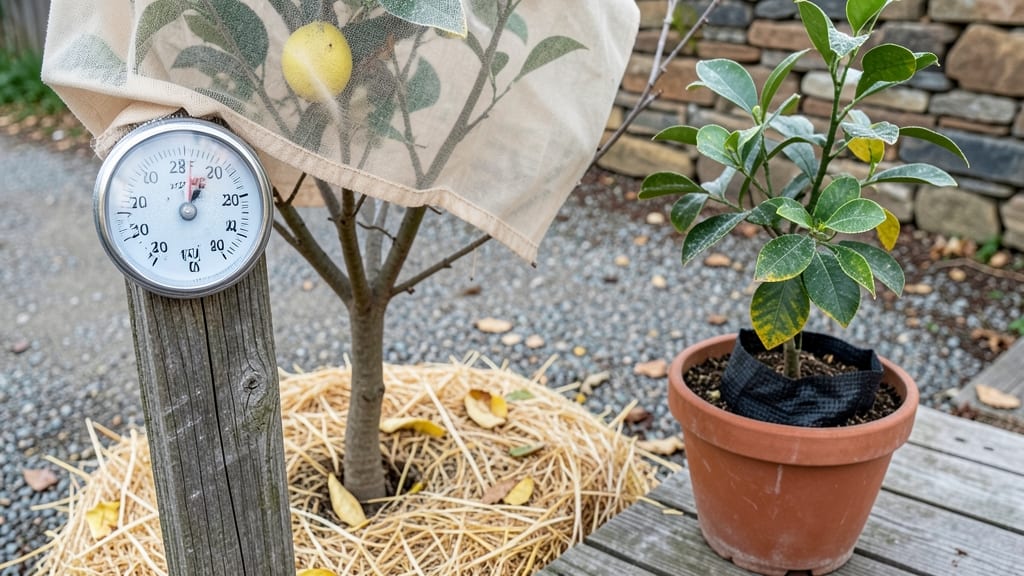
💥 Quick Answer Understanding lemon tree low temperature limits is key to survival: these trees can handle brief chills down to 25–30°F (-4 to -1°C) , but extended cold below 28°F (-2°C) causes irreversible damage or…
💥 Quick Answer Growing lemon trees in North Carolina means choosing frost-resistant varieties like 'Meyer' or 'Improved Meyer' and planting them in containers or sheltered spots to handle Zones 7-9 winters. Regular…
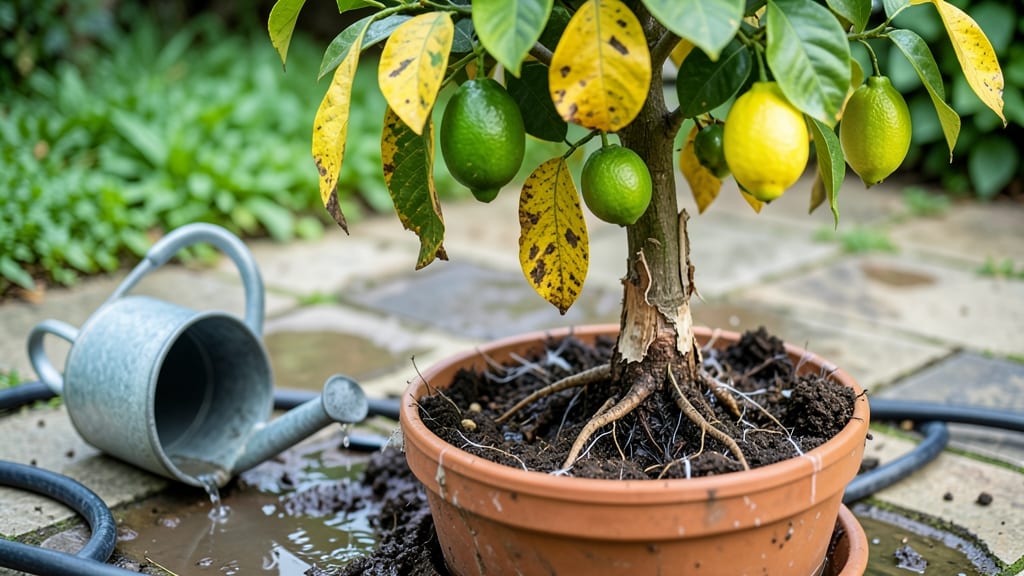
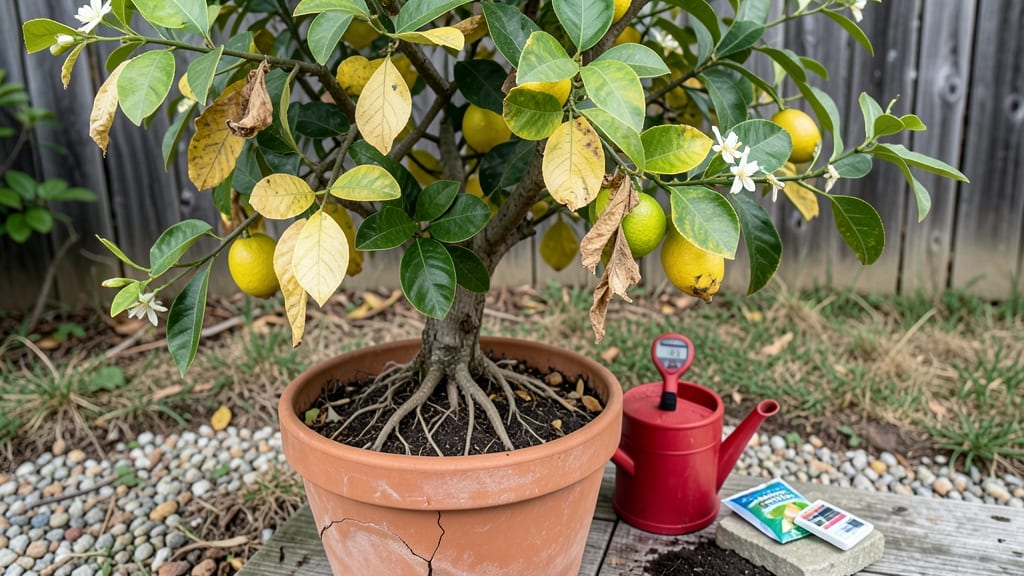
Your overwatered lemon tree ’s drooping leaves aren’t a death sentence—just a cry for help. 🌿 Overwatering is the #1 reason lemon trees suffer, but with the right fix, you’ll have vibrant green foliage and juicy fruit…
Cold stratification turns your lemon tree saplings from slow starters to fast-growing powerhouses in just 2 weeks . 🌱 I’ve watched dozens of seeds struggle for months—until I discovered this trick that mimics winter’s…
Your lemon tree shedding leaves isn't a death sentence—it's a wake-up call. 🌿 I've nursed back more lemon trees than I can count, and the key is understanding why it happens before you panic. Too much water, too little…
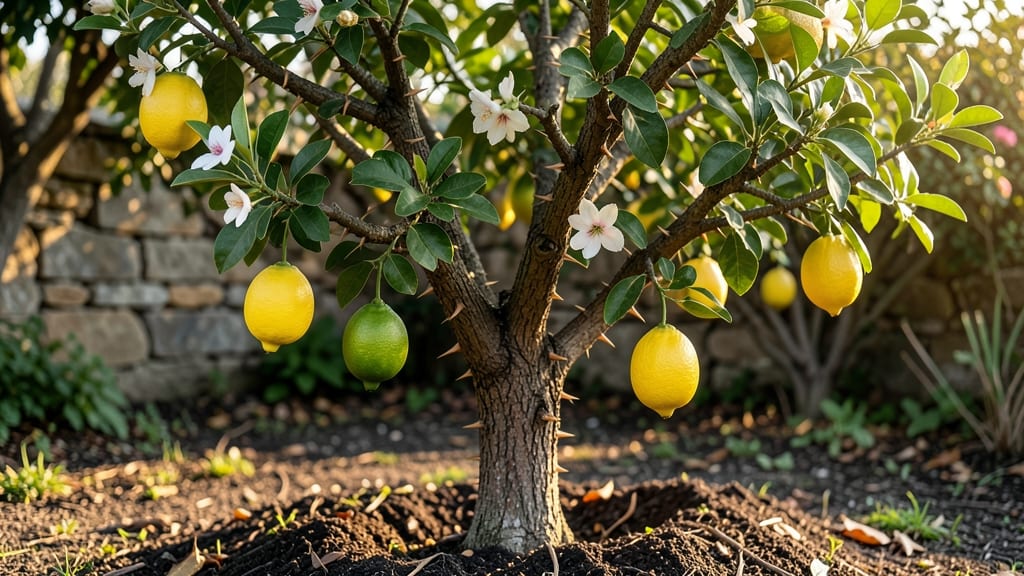
Lemon tree thorns aren’t poisonous, but they can still cause painful scrapes and skin irritation—especially when you’re pruning or harvesting fruit. I’ve learned the hard way that these sharp little spines pack a punch…
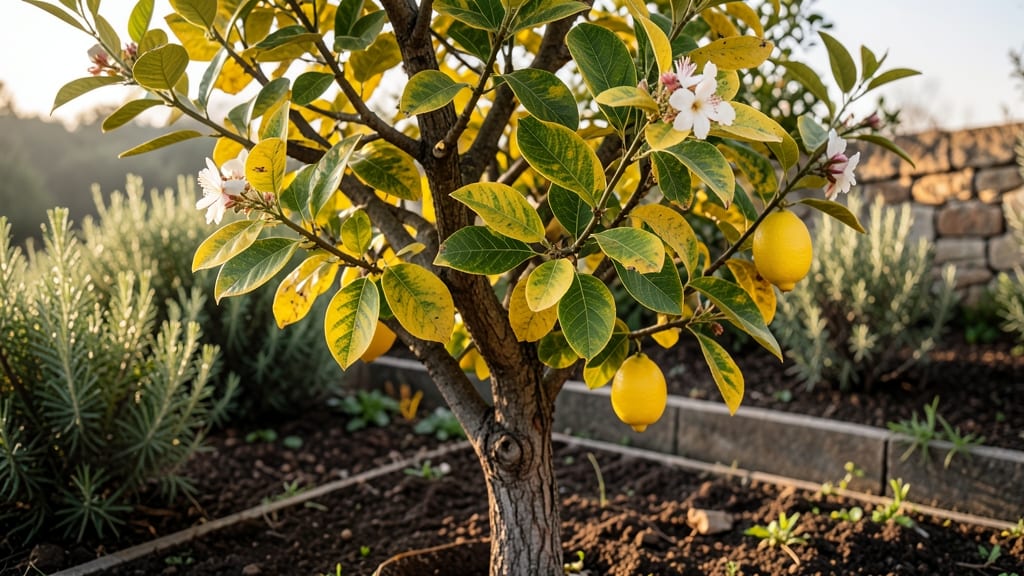
Your lemon tree's yellow leaves with green veins aren't a death sentence—just a cry for help. 🌿 This classic sign usually means nitrogen deficiency, but it could also signal magnesium issues or even a hidden fungal…
💥 Quick Answer The Lila tree in English is commonly called the Lilac tree , derived from its scientific name Syringa vulgaris , a flowering shrub prized for its fragrant purple blossoms and ornamental appeal in gardens…
💥 Quick Answer For growing lilac trees in Arizona, choose heat-resistant varieties like Dwarf Korean or Miss Canada , plant them in well-draining soil with afternoon shade, and prune annually after blooming to promote…
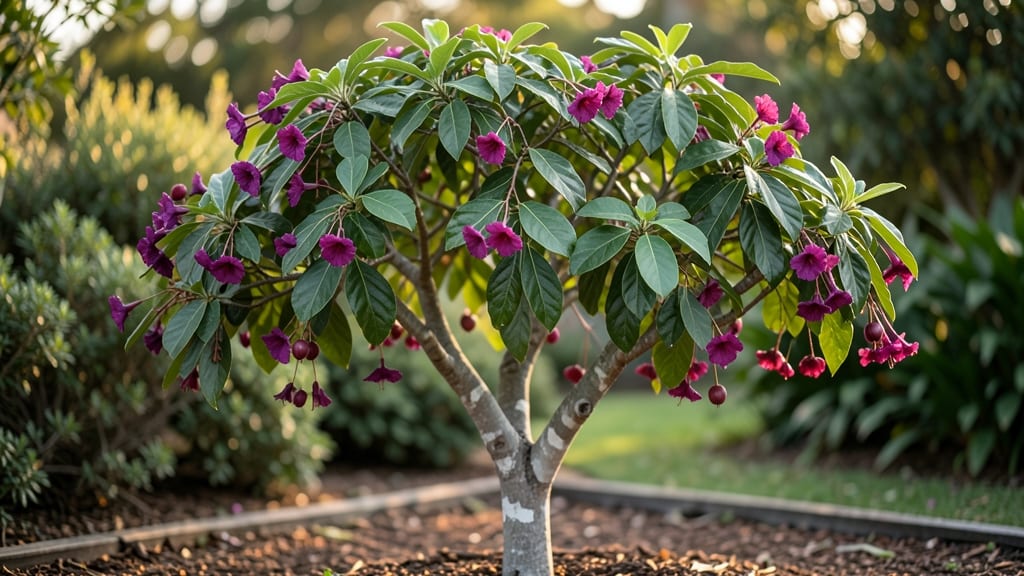
Lilac trees burst into bloom between late April and early June , but timing depends entirely on your variety and climate. 🌸 I remember the first time my French lavender lilac exploded with purple clusters—it was May…