
Blooming
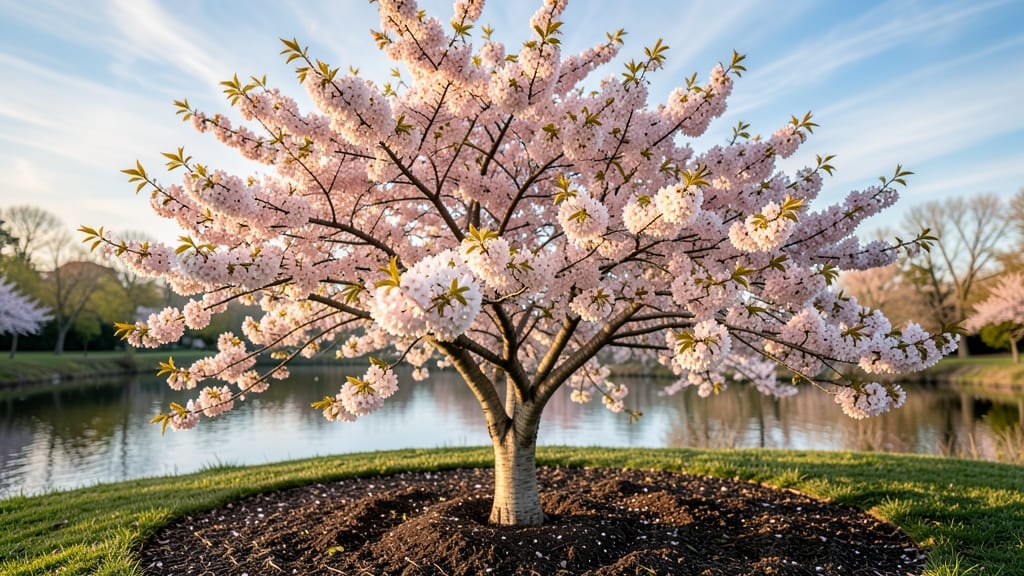
A cherry blossom tree in the USA brings spring magic to your yard—even in Zone 3. 🌸 I planted my first Yoshino cherry (Prunus × yedoensis) after struggling with short-season blooms, and now it’s the star of my landscape, thriving where other varieties fail.
The secret isn’t just picking the right variety (like Kwanzan for humidity or Prunus serotina for native appeal)—it’s matching planting timing to your climate. Fall is ideal in most regions, giving roots time to establish before winter’s chill.
My tree now bursts into bloom for 2 weeks every April, outlasting store-bought cut flowers. You’ll need well-draining soil, full sun, and patience—these trees take 5-7 years to reach full bloom potential.
But once established, they reward you with disease-resistant foliage and that iconic pink canopy that neighbors will envy. Works in urban spaces, parks, or rural yards—just check local regulations, as some states restrict invasive species. Let’s get yours planted for next spring’s show!
📚 In This Guide
- What you need
- Instructions
- Tips and common mistakes
- Wrapping up and next steps
What you need
- ● Cherry Blossom Tree: Choose a cold-hardy variety like Prunus serrulata (e.g., 'Kwanzan,' 'Autumnalis,' or 'Shirotae') from a reputable nursery. Size: 1–3 gallons (for smaller trees) or 7–15 gallons (for mature trees).
- ● Shovel or Trench Digger: For digging the planting hole (1–2 times wider than the root ball).
- ● Garden Gloves: Heavy-duty to protect your hands from thorns and soil.
- ● Mulch: 2–3 inches of organic mulch (e.g., wood chips or shredded bark) to retain moisture and regulate soil temperature.
- ● Watering Can or Hose: With a gentle spray nozzle for post-planting hydration.
- ● Pruning Shears: Sharp, clean shears for trimming dead branches or shaping the tree.
- ○ Soil Amendment (Optional but Helpful): Compost (1–2 gallons) to improve drainage and fertility.
- ● Slow-release fertilizer (e.g., 10-10-10 NPK ratio) for the first planting season.
- ● Tree Stake or Support: If planting in windy areas, use 1–2 stakes with flexible ties.
- ● Drip Irrigation System: For consistent watering, especially during dry spells.
- ● Tree Guard or Protective Barrier: To shield young trees from pets, deer, or curious critters.
- ● pH Test Kit: To check soil pH (ideal range: 5.5–6.5 for cherry blossoms).
- ● Fungicide (Preventative): Copper-based spray for early-season protection against fungal diseases.
Step-by-step guide to selecting and planting cold-hardy cherry blossom trees
Here's how to choose the right variety and plant it for long-term beauty in your yard.
🌱 Step 1: Choose the Right Variety for Your Climate Zone
Select a cultivar rated for your USDA hardiness zone—most cold-hardy cherry blossoms thrive in zones 3 through 8. For northern climates, Kanzan or Okame handle minus-20°F winters with ease. Southern gardeners should opt for Autumn Brilliance or Royal Burgundy, which tolerate mild winters and humid summers better.
Check bloom time preferences too. Early bloomers like Stella Rosa flower in late April, while late varieties such as Shirotae burst into bloom in mid-May. This timing ensures you'll enjoy blossoms when you want them, not after the worst pollen allergies have passed.
☀️ Step 2: Select the Perfect Planting Location
Cherry blossoms need full sun—at least 6 hours of direct sunlight daily—for optimal flowering. A spot with morning sun and afternoon shade works well in hot climates, but avoid areas where afternoon sun would scorch leaves in summer. Test your site by observing how sunlight moves across your yard throughout the day.
Ensure the location has well-draining soil—these trees hate soggy roots. If your soil is heavy clay, amend it with 2-3 inches of compost mixed into the top 12 inches of soil. The planting hole should be twice as wide as the root ball but only as deep as the root ball itself.
🪴 Step 3: Plant Your Tree for Long-Term Health
Remove the tree from its container and gently loosen the roots if they're circling. Place the tree in the hole so the top of the root ball sits 1-2 inches above ground level—this prevents water from pooling around the trunk. Backfill with native soil, tamping lightly every 6 inches to remove air pockets.
Water deeply right after planting to settle the soil and eliminate air gaps. Use 5-10 gallons of water, depending on the tree's size, and keep the soil evenly moist for the first 4-6 weeks. A 3-inch layer of mulch around the base (but not touching the trunk) helps retain moisture and regulate soil temperature.
✂️ Step 4: Prune and Care for First-Year Growth
Prune only to remove any dead, damaged, or crossing branches in late winter or early spring. Avoid heavy pruning—cherry blossoms bloom on last year's growth, so aggressive cuts reduce next year's flowers. Use clean, sharp pruners to make cuts just outside the branch collar.
Fertilize lightly in early spring with a balanced 10-10-10 formula—too much nitrogen promotes leafy growth at the expense of blossoms. Water deeply once a week during dry spells, but avoid overhead watering once buds form to prevent fungal diseases like powdery mildew.
⏰ Step 5: Prepare for Winter and Future Seasons
In zones 5 and colder, wrap the trunk with tree wrap or burlap to protect it from winter sunburn. Remove any wrap in early spring before new growth begins. Mulch again in late fall to insulate roots from freezing temperatures—4-6 inches of organic mulch works best.
Watch for aphids or borers in spring, which can stress young trees. Spray with neem oil if you spot pests, but avoid chemical sprays during bloom time to protect pollinators. With proper care, your cherry blossom will reward you with stunning spring blooms for decades.
Tips & tricks for perfect cold-hardy cherry blossom planting
Between us, the difference between a thriving cherry blossom and one that struggles often comes down to these key details—especially when planting for long-term success.
Variety Selection Matters: When choosing between Kanzan or Okame for northern climates, consider their growth habits too. Kanzan grows into a broad, rounded tree perfect for lawns, while Okame stays smaller—ideal for tight spaces. For southern gardens, Autumn Brilliance offers brilliant fall color too, not just spring blooms. Always check the mature size listed on the tag to avoid planting too close to structures or sidewalks.
Soil Prep is Non-Negotiable: The instructions mention amending heavy clay with compost, but here's what nobody tells you—test your soil's pH first. Cherry blossoms prefer slightly acidic soil (pH 6.0-6.5). If your soil is alkaline, mix in 2-3 pounds of sulfur per 100 square feet a few months before planting. This prevents nutrient deficiencies that show up as yellow leaves later.
Watering Wisdom: Those first 4-6 weeks of consistent moisture are critical, but don't drown your tree. Water deeply every 3-4 days instead of daily shallow watering. This encourages deep root growth. A simple test: Stick your finger 2 inches into the soil—if it's dry, it's time to water. Overwatering in the first year is just as damaging as underwatering.
Winter Protection Strategy: For zones 5 and colder, tree wrap isn't just about sunburn protection—it's also insulation. Apply it after the ground freezes to prevent trunk temperature swings that crack bark. Remove it in early spring (before buds swell) to avoid trapping heat that can cause premature bud break. Pro tip: Use burlap instead of plastic—it breathes better and won't girdle the trunk as the tree grows.
Pro Tips for Cherry Blossom Tree Usa
- Between us, the difference between a thriving cherry blossom and one that struggles often comes down to these key details—especially when planting for long-term success.
- Variety Selection Matters: When choosing between Kanzan or Okame for northern climates, consider their growth habits too.
- Soil Prep is Non-Negotiable: The instructions mention amending heavy clay with compost, but here's what nobody tells you—test your soil's pH first.
Frequently asked questions
Got questions about growing cherry blossom trees in the U.S.? You’re not alone! Here are answers to the most common queries—from planting tips to troubleshooting—so you can enjoy those dreamy pink blooms without the guesswork.
What’s the best time of year to plant a cherry blossom tree in the U.S.?
Plant your cherry blossom tree in early spring or fall (4–6 weeks before the first frost). This gives roots time to establish before extreme temperatures hit. Avoid planting in summer heat or winter cold—both stress young trees. Pro tip: If you’re in a warmer zone (USDA 7–9), fall planting is ideal to avoid drought stress.
Can cherry blossom trees survive harsh winters in the Midwest or Northeast?
Cold-hardy varieties like ‘Kwanzan’ (Zone 5) or ‘Autumn Royal’ (Zone 4) thrive in snowy climates. Just mulch heavily in late fall and water deeply before freezing temps. Watch for: late spring frosts (they can damage buds) and heavy snow (which may break branches). Prune damaged limbs in early spring.
Are there dwarf or small cherry blossom trees for limited spaces?
Yes! If space is tight, try ‘Royal Celebration’ (15–20 ft tall) or ‘Stella Compacta’ (10–12 ft). These stay manageable while still delivering stunning blooms. Just ensure they get 6+ hours of sunlight and well-draining soil. Bonus: Their smaller size makes them perfect for urban gardens or patios!
Why aren’t my cherry blossom tree’s leaves or flowers looking healthy?
Common issues and fixes:
- Yellow leaves: Overwatering or poor drainage. Let soil dry slightly between waterings.
- No blooms: Too much shade or young age (they bloom best at 5+ years). Prune for sunlight and be patient!
- Brown edges: Underwatering or windburn. Mulch and water deeply 1–2x/week in dry spells.
- Pests (aphids/japanese beetles): Spray with neem oil or introduce ladybugs.
If problems persist, test your soil pH (ideal: 5.5–6.5) and adjust with lime or sulfur.
What’s the best U.S. region to grow cherry blossom trees?
Cherry blossoms love USDA Zones 5–9, but the best regions for iconic blooms are:
Region
Top Varieties
Bloom Time
Pacific Northwest (Seattle, Portland)
‘Yoshino’, ‘Mount Fuji’
Late March–April
Mid-Atlantic (DC, Philly)
‘Kwanzan’, ‘Autumn Royal’
Mid-April
Southern California (LA, San Diego)
‘Okame’, ‘Shirotae’
February–March
Deep South (Atlanta, New Orleans)
‘Royal Celebration’ (heat-tolerant)
March–April
Note: Coastal areas often bloom earlier than inland zones due to milder winters.
Wrapping up and next steps
From Yoshino to Autumn Royal, these cold-hardy cherry blossom trees prove that spring’s beauty isn’t limited by your climate zone. With the right variety, care, and a little patience, you can enjoy sakura magic in your backyard—whether you’re in chilly Zone 4 or a milder Zone 7. 🌸
Ready to plant your own piece of Japan? Start by choosing your variety, checking local nurseries, and marking your calendar for early spring—when those delicate petals will transform your garden into a dreamy escape. Grab your gloves and dig in!