
Pruning
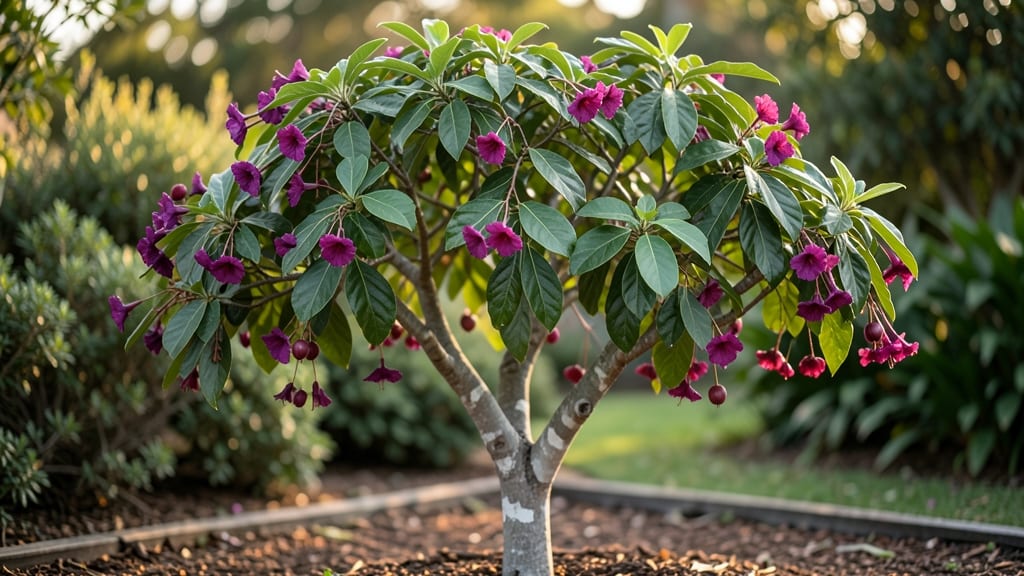
The Lila tree in English is commonly called the Lilac tree, derived from its scientific name Syringa vulgaris, a flowering shrub prized for its fragrant purple blossoms and ornamental appeal in gardens.
The name "lilac" actually comes from the Old French word lilas, which described both the flower's delicate purple hue and its sweet fragrance. 🌸 This hardy shrub thrives in temperate climates and has been cultivated for centuries—its blooms symbolize renewal and springtime in many cultures.
If you're growing one, you'll love how it attracts pollinators while adding vertical interest to landscapes with its upright growth habit.
Fun fact: The word "lilac" also refers to the color of the flowers, which ranges from soft lavender to deep violet depending on the variety. Many gardeners choose lilacs for their low-maintenance nature and ability to rebloom if pruned correctly after the first flush of flowers fades.
💡 In This Article
- Scientific Classification and Botanical Origins of Lilac Trees
- How to Identify and Grow Lilac Trees in Gardens
Scientific classification and botanical origins of lilac trees
The lilac tree belongs to the Syringa genus within the Oleaceae family, which also includes olives and ash trees. This genus comprises about 25-30 species, but Syringa vulgaris is the most widely recognized.
Native to the Balkans, southern Russia, and parts of Europe, these trees thrive in temperate climates where winters are cold but not extreme (-20°F to 30°F), and summers are warm but not scorching.
The name "lilac" originates from the Old French lilas, which directly describes the flower's pale purple hue—a color derived from the Greek word lykos (meaning "wolf"), referencing the wolf-like gray-green leaves. 🌸 Botanically, the flowers aren't true lilacs but resemble them in color and fragrance.
The genus name Syringa comes from the Greek surinx, meaning "panpipe," referencing the hollow stems used in ancient musical instruments.
Lilac trees are deciduous shrubs or small trees, typically reaching 10-20 feet in height, with a rounded, multi-stemmed growth habit. Their bark is smooth and grayish-brown, while the leaves are simple, opposite, and oval-shaped, measuring about 2-4 inches long.
The flowers grow in dense, terminal clusters called racemes, each containing 20-100 individual blossoms, depending on the variety.
What makes lilacs unique is their four-chambered ovary, a defining botanical feature that distinguishes them from other flowering shrubs. This structure contributes to their ability to produce abundant nectar, attracting bees, butterflies, and hummingbirds.
The fragrance comes from volatile organic compounds like linalool and benzaldehyde, which also give them their signature sweet, floral aroma.
Historically, lilacs were introduced to North America in the 18th century by European settlers, who valued them for both ornamental and practical uses. Today, they symbolize renewal and springtime, often associated with May Day celebrations in Europe.
Their hardiness and adaptability have made them a staple in gardens worldwide, from urban landscapes to rural estates.
Consider these key botanical traits when selecting varieties:
- Flower color: Ranges from white ('Alba') to deep purple ('Charles Joly')
- Bloom time: Typically late spring (May-June), but some rebloom in fall
- Fragrance intensity: 'Dwarf Korean' varieties are highly aromatic, while 'President Lincoln' has a milder scent