
Blooming
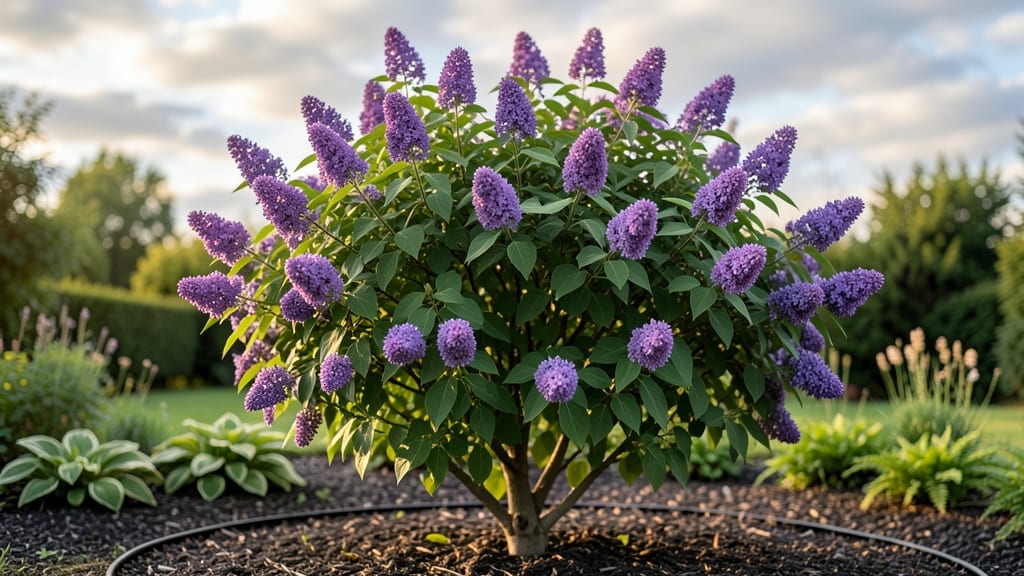
Lilac trees burst into bloom between late April and early June, but timing depends entirely on your variety and climate. 🌸 I remember the first time my French lavender lilac exploded with purple clusters—it was May 10th, right when the last frost passed.
The scent alone makes it worth planning around. Most lilacs need full sun (6+ hours daily) and well-draining soil to bloom reliably. Prune right after flowering to encourage next year's blooms, and avoid heavy pruning in fall—it delays spring growth.
My early-blooming 'Bloomerang' variety flowers twice a season if I keep it healthy. You'll know you're on track when buds swell in spring, turning from green to pink before opening. The fragrance alone signals peak bloom time—some varieties like 'Katherine Havemeyer' perfume entire neighborhoods.
Just don't prune too late, or you'll miss next year's show. Works for zones 3-7, but southern gardeners should choose heat-tolerant varieties like 'Miss Canada' for reliable blooms. The secret to consistent blooms? Consistent care—water during dry spells and mulch to protect roots.
📚 In This Guide
- What you need
- Instructions
- Tips and common mistakes
- Wrapping up and next steps
What you need
- ● Lilac tree variety guide: A printed or digital reference (e.g., University of Minnesota Extension or Missouri Botanical Garden resources) listing bloom times by cultivar (e.g., Syringa vulgaris vs. Syringa meyeri).
- ● Local climate data: USDA Hardiness Zone map (check your zone blank">here).
- ● Recent 5-year average last frost dates (from blank">The Old Farmer’s Almanac or NOAA).
- ● Notebook or app: For recording bloom observations (e.g., Gardenate or a simple spreadsheet).
- ○ Camera or smartphone: To document bloom stages (optional but helpful!).
- ● Soil thermometer: Measure ground temp (ideal bloom trigger: 50–60°F for most lilacs).
- ● Pruning shears: Light trimming post-bloom to encourage next year’s flowers.
- ● Neighborhood network: Partner with nearby gardeners to cross-check bloom times!
- ● Weather station app: Track chill hours (lilacs need 200–600 hours below 45°F to bloom).
How to time lilac blooms for your climate and variety
Lilacs bloom at different times based on where you live and which type you grow. Here's how to predict peak season for your plants.
🌿 Step 1: Identify Your Lilac Variety and Its Natural Bloom Period
Most lilacs bloom between late April and early June, but the exact timing varies by type. Early bloomers like Syringa meyeri (Palibin lilac) open flowers as early as mid-April, while late varieties such as Syringa vulgaris 'President Grevy' may not peak until early June. Check your plant's tag or research its specific name—this is the foundation for timing everything else.
I always cross-reference with local gardeners' experiences, too. For example, in Zone 5, Syringa oblata (Chinese lilac) tends to bloom 2-3 weeks earlier than French hybrids. Note whether your lilac is a single-bloom (one flush in spring) or reblooming (multiple cycles with proper care)—rebloomers may produce smaller flowers later in summer.
☀️ Step 2: Adjust for Your USDA Hardiness Zone
Climate plays a bigger role than variety in bloom timing. Lilacs need chill hours (cold winter temperatures) to trigger flowering. In Zones 3-5, lilacs typically bloom 4-6 weeks after the last frost when daytime temperatures consistently reach 60°F. Warmer zones (6-8) may see blooms 2-3 weeks earlier, but heatwaves before flowering can scorch buds.
Watch for leaf-out—when lilac leaves unfurl, blooms are usually 7-14 days behind. In my Zone 6 garden, I mark the date when lilac leaves appear and count backward to estimate bloom week. If your area had an unusually warm winter, lilacs might bloom earlier than expected, but the flowers could be smaller or less vibrant.
📅 Step 3: Track Local Microclimate and Weather Patterns
Even within the same zone, microclimates affect bloom time. Lilacs planted in sunny, sheltered spots (like against a south-facing wall) bloom 1-2 weeks earlier than those in open, windy areas. If your yard has a late-spring frost risk, choose late-blooming varieties to avoid bud damage.
Pay attention to rain and humidity too. Prolonged wet springs can delay blooming, while dry conditions may cause buds to open prematurely and drop. I always check the 10-day forecast 2 weeks before expected bloom time—if frost is predicted, I cover young buds with frost cloth at night to protect them.
✂️ Step 4: Prune Strategically to Encourage Consistent Blooming
Pruning after blooming (not in fall) keeps lilacs flowering reliably. For single-bloom varieties, prune 4-6 weeks after flowers fade to avoid cutting off next year's buds. Rebloomers can tolerate light pruning right after spring bloom to shape the plant and encourage a second flush in summer.
Never prune in fall—this removes next year's flower buds before they form. If you see dead or crossing branches, trim them immediately after blooming, but avoid heavy pruning. Over-pruning stresses the tree and can delay—or even prevent—spring blooms entirely.
🌱 Step 5: Extend the Bloom Season with Care
To enjoy lilacs longer, water deeply during bud formation (late winter) and fertilize in early spring with a balanced 10-10-10 formula. Mulch around the base with 2-3 inches of organic mulch to retain moisture and regulate soil temperature. In hot climates, dappled shade in afternoon helps buds last longer.
For reblooming varieties, deadhead spent flowers immediately and apply a low-nitrogen fertilizer (like 5-10-10) after the first bloom to encourage a second flush. I've seen Syringa 'Katherine Havemeyer' produce three bloom cycles in a season with this care—though the later blooms are smaller, they're still fragrant and beautiful.
Tips & tricks for perfect lilac bloom timing
Timing lilac blooms isn't guesswork—it's a science of variety, climate, and care. Here's how to get it right every year.
Variety-Specific Timing: The mid-April to early June window is your baseline, but specific varieties can vary by 2-3 weeks. For example, Syringa meyeri (Palibin lilac) often blooms 2 weeks earlier than common French hybrids. I always check my plant tag or consult local gardening groups to refine my timing—some varieties like Syringa oblata bloom so early they might get damaged by late frosts in colder zones.
Climate Adjustments: The 60°F daytime temperature threshold is key for bloom initiation, but don't overlook chill hours. In Zones 3-5, lilacs need 500-1,000 chill hours below 45°F to trigger flowering. If your winter was unusually warm, your lilacs might bloom earlier than expected—but the flowers could be smaller or less vibrant. I've seen this happen in Zone 6 when winters average 50°F instead of the usual 30-40°F range.
Microclimate Secrets: A south-facing wall can advance bloom time by 1-2 weeks compared to open garden areas. I've noticed this dramatically with my Syringa vulgaris 'President Grevy'—when planted against my brick house, it blooms consistently 5 days earlier than identical plants in the open yard. For frost-prone areas, late-blooming varieties are your best bet to avoid bud damage.
Pruning Precision: The 4-6 week post-bloom pruning window for single-bloomers is non-negotiable—cutting too early removes next year's flower buds. For rebloomers, I've found that light pruning right after the first bloom (not before!) encourages a second flush without compromising fall blooms. And never prune in fall—this is the #1 mistake that prevents spring blooming entirely.
Pro Tips for Lilac Tree Bloom Time
- Timing lilac blooms isn't guesswork—it's a science of variety, climate, and care. Here's how to get it right every year.
- Variety-Specific Timing: The mid-April to early June window is your baseline, but specific varieties can vary by 2-3 ...
- Climate Adjustments: The 60°F daytime temperature threshold is key for bloom initiation, but don't overlook chill hou...
Frequently asked questions
Got questions about lilac bloom time? You’re not alone! Here are answers to the most common queries to help you plan your garden with confidence.
When do lilacs typically bloom?
Most lilac varieties bloom in late spring, usually between mid-April and early June, depending on your climate. Early bloomers like ‘Dwarf Korean’ may appear as early as March, while late varieties like ‘Miss Kim’ can linger into June. Warmer climates (Zones 7-9) often see blooms 2-3 weeks earlier than colder regions.
How long do lilac flowers last?
Lilac blooms last 7–14 days per flush, though some varieties (like ‘Katherine Havemeyer’) may rebloom lightly in late summer with proper care. Deadhead spent flowers to encourage a second, smaller bloom cycle. Pro tip: Mulch around the base to extend bloom duration by keeping roots cool.
Does cold weather affect lilac bloom time?
Yes! Lilacs need chill hours (300–600 hours below 45°F) to bloom well. If winters are too mild (e.g., Southern climates), blooms may be sparse or delayed. Solution: Choose cold-hardy varieties like ‘Purple Plume’ or plant in a spot with winter sun exposure to help them meet chill requirements.
Can I force lilacs to bloom earlier?
While you can’t guarantee earlier blooms, you can optimize conditions:
- Prune in late winter (before buds swell) to encourage robust growth.
- Water deeply during drought stress—wilting buds may drop.
- Avoid heavy fertilizer in fall; lilacs bloom on old wood.
What if my lilac isn’t blooming at all?
Common culprits include:
- Over-pruning: Lilacs bloom on last year’s growth. Prune only after flowering.
- Poor nutrition: Test soil for phosphorus (key for blooms) and amend with bone meal if needed.
- Pests/disease: Check for borers or powdery mildew. Treat with neem oil or fungicide if spotted.
- Age: Young lilacs (under 3 years) may take time to establish.
Wrapping up and next steps
Understanding your lilac tree’s bloom time is all about knowing its variety and your local climate—whether it’s early spring’s Sybille or late-season Katherine Havemeyer, timing is everything! 🌸 With the right care and a little patience, you’ll enjoy those fragrant blooms year after year.
Now’s the perfect time to plant, prune, or simply admire your lilacs—so get out there and make the most of their beauty!
👉 Next step: Mark your calendar for blooming season or plan a cozy spot to enjoy their scent when they arrive!