
Trees
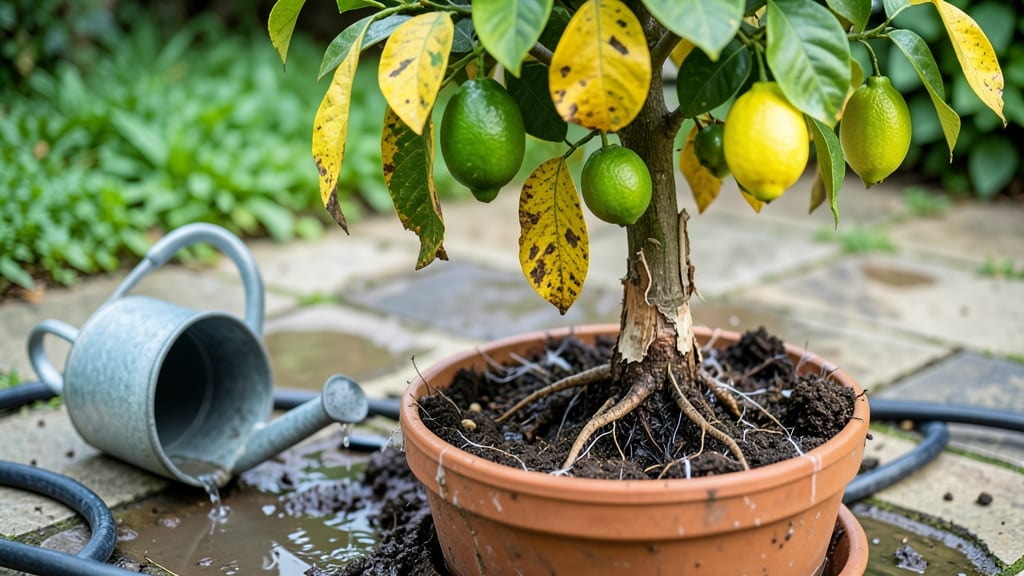
Your overwatered lemon tree’s drooping leaves aren’t a death sentence—just a cry for help. 🌿 Overwatering is the #1 reason lemon trees suffer, but with the right fix, you’ll have vibrant green foliage and juicy fruit in no time. The key is acting fast before root rot sets in.
First, check the soil: if it smells sour or feels soggy, you’ve got a waterlogged problem. Stop watering immediately and let the top 2-3 inches dry out completely. Lemon trees prefer the soil to dry between waterings—think "damp, not drenched."
Next, trim any mushy, dark roots and repot in fresh, well-draining soil mixed with perlite or sand. A slightly smaller pot with drainage holes helps prevent future overwatering. Within weeks, new growth will signal your tree’s comeback.
Long-term, water only when the top inch of soil feels dry, and always use a pot with drainage. A moisture meter or your finger is your best friend—no more guessing. Your lemon tree will thank you with glossy leaves and sweet fruit.
Root Causes Of Overwatering
Overwatering your lemon tree isn’t just a gardening mistake—it’s a common trap that disrupts the delicate balance of soil, roots, and oxygen. Understanding why this happens helps you avoid it in the future. Let’s break down the science behind the soggy soil situation.
---
🌊 The Problem: Lemon trees thrive in well-draining soil, but if your pot or garden bed lacks proper drainage, excess water pools around the roots instead of draining away. This creates an anaerobic (oxygen-deprived) environment, where roots suffocate and rot.
Why It Happens: - Clay or compacted soil holds water like a sponge, preventing it from escaping. - Small or shallow drainage holes in pots restrict water flow, trapping moisture. - No gravel or mulch layer at the bottom of containers fails to create an air gap for excess water to escape.
Actionable Fix: Test your soil’s drainage by filling a pot with water—if it drains slower than 30 minutes, amend it with perlite, coarse sand, or pumice (20-30% by volume). For in-ground trees, consider raising the planting mound slightly to encourage runoff.
---
💧 The Problem: Watering on a whim (or sticking to a rigid schedule) confuses your lemon tree’s moisture needs. Some days, the soil may stay damp for too long, while other times it dries out—neither scenario is ideal.
Why It Happens: - Overzealous watering after a dry spell can overwhelm the roots before they adjust. - Ignoring weather changes (e.g., heavy rain followed by no watering) leaves soil perpetually saturated. - Using a "water every X days" rule without checking soil moisture assumes consistency, which rarely exists in nature.
Actionable Fix: Stick your finger 1-2 inches into the soil—if it’s damp, wait. If dry, water deeply until it runs out the drainage holes. Morning watering (before 10 AM) gives roots time to dry slightly during the day.
---
🏺 The Problem: Pots that are too small or lack depth force roots to compete in a tiny waterlogged space. Conversely, oversized containers retain moisture longer, slowing evaporation.
Why It Happens: - Root-bound trees in cramped pots dry out quickly at the surface but stay waterlogged at the bottom. - Large containers without enough soil (relative to the tree’s size) trap water near the roots. - Plastic pots retain moisture longer than terracotta, increasing overwatering risks.
Actionable Fix: Choose pots 10-12 inches wider than the root ball (for mature trees) with multiple drainage holes. Upgrade containers every 2-3 years to match the tree’s growth. Terracotta or fabric pots evaporate moisture faster than plastic.
--- 🌡️ The Problem: High humidity or cool temperatures slow evaporation, keeping soil damp for days. If you’re not adjusting watering, the roots pay the price.
Why It Happens: - Indoor environments (like greenhouses or basements) have 50%+ humidity, reducing soil drying time. - Overcast or rainy seasons mean less sunlight to dry the soil surface. - Winter dormancy tricks growers into watering less, but roots still need some moisture—too little can stress the tree, but too much rots them.
Actionable Fix: Reduce watering by 30-50% in humid climates or during rainy seasons. Move potted trees to a bright, breezy spot (like a covered patio) to improve airflow. In winter, let the top 3 inches of soil dry out completely before watering.
--- 🚨 The Problem: Many gardeners wait until yellow leaves or mushy stems appear before realizing the tree is drowning. By then, root damage is often irreversible.
Why It Happens: - Yellowing leaves (chlorosis) are a late-stage sign of oxygen deprivation. - Mushy, black roots indicate fungal growth from prolonged sogginess. - Wilting despite wet soil means roots can’t absorb water or oxygen.
Actionable Fix: Inspect roots every 2-3 months—healthy roots are firm, white, and fibrous. If you see dark, slimy, or hollow roots, trim the affected sections and repot in fresh, dry soil. Avoid watering for 5-7 days to let roots recover.
--- Pro Tip: 💡 Use a moisture meter ($10-$15) to track soil conditions—aim for 40-60% moisture (never 100%) for lemon trees. This removes guesswork and prevents over- or under-watering.
Revive Your Lemon Tree Fast
Overwatering can feel like a slow-motion disaster for your lemon tree, but the good news? Most damage is reversible with the right steps. Below, we’ll map out practical fixes based on the root causes—whether it’s soggy soil, fungal threats, or root stress—and include prevention tips to keep your tree thriving.
Let’s turn those droopy leaves around!
---
Cause: Compacted, waterlogged soil suffocates roots, cutting off oxygen and nutrients.
How to Fix It: 1. 🌱 Stop Watering Immediately - Pause all watering for 3–5 days to let the soil dry out. This gives roots a chance to recover before they rot.
2. 🔥 Improve Drainage in the Pot (If Potted) - Check the drainage holes—if they’re clogged, clean them with a wire or drill a few new ones. - Repot if needed: If the soil is permanently soggy, upgrade to a pot 2–3 inches larger with fresh, well-draining cactus/succulent mix (or add perlite/pumice to existing soil). - Pro Tip: Elevate pots on feet or a tray to prevent water pooling at the bottom.
3. 🌿 For In-Ground Trees - Dig a shallow trench around the base (6–12 inches deep) to encourage excess water to drain away. - Mulch lightly (1–2 inches) with orchid bark or coarse wood chips—keep it 2–3 inches away from the trunk to avoid moisture buildup.
4. ⏰ Monitor Soil Moisture - Stick your finger 2 inches into the soil. Water only when it’s bone-dry (not just the top layer).
---
Cause: Overwatering creates the perfect breeding ground for root rot (Phytophthora) or leaf spot fungi, which turn leaves yellow or brown with mushy stems.
How to Fix It: 1. 🔪 Prune Damaged Areas - Use sterilized shears to trim: - Yellow/brown leaves (cut back to healthy green growth). - Soft, blackened stems (fungus spreads fast—remove entirely). - Dispose of clippings in the trash (not compost).
2. 💊 Apply Fungicide - Prevention: Spray copper fungicide or neem oil (1 tbsp per gallon of water) every 7–10 days for 3 weeks. - Severe Cases: Use hydrogen peroxide (3%)—mix 1 part H₂O₂ to 10 parts water and drench the soil (but avoid overdoing it).
3. 🌡️ Boost Airflow - Thin out dense foliage to improve circulation. - Move potted trees to a sunnier, breezier spot (but avoid harsh afternoon sun post-treatment).
---
Cause: Overwatered roots struggle to absorb nutrients, leading to nutrient deficiencies (e.g., yellowing between veins = iron/chlorosis).
How to Fix It: 1. 📊 Feed Smartly - Wait 2–3 weeks after repotting before fertilizing. - Use a balanced citrus fertilizer (6-6-6 or 8-3-9) diluted to half-strength. - Pro Tip: Add Epsom salt (1 tbsp per gallon) monthly for magnesium—overwatered trees often lack it.
2. 💪 Strengthen Roots with Mycorrhizae - Mix mycorrhizal fungi powder into the soil when repotting. These beneficial microbes boost root health and water absorption.
3. 🌿 Gradually Reintroduce Water - After recovery, water deeply but infrequently—aim for 1 inch of water per week (less in winter). - Soak the root zone (not just the top) to encourage deep root growth.
---
Once your lemon tree is back on track, keep these habits to avoid future overwatering:
- 💡 Test Soil Moisture Like a Pro - Use a moisture meter or the finger test (stick your finger 2 inches deep—if dry, water; if damp, wait).
- ✨ Choose the Right Pot - Terracotta pots dry out faster than plastic. If using plastic, add extra drainage material (like lava rock).
- 🎯 Watering Schedule Hacks - Morning watering reduces evaporation and fungal risk. - Group potted trees together—watering them as a cluster mimics natural rainfall patterns.
- 🌡️ Adjust for Seasons - Winter: Cut watering by 50%—lemon trees are dormant and need less. - Summer: Increase water slightly only if the soil dries quickly (watch for wilting).
- 🔥 Watch for Warning Signs Early - Yellow leaves? Check soil moisture—don’t wait for drooping! - Mushy stems? Act fast with fungicide before it spreads.
--- Final Note: Patience is key—reviving an overwatered lemon tree takes 4–6 weeks of consistent care. Stick with the fixes, and you’ll see new growth and vibrant leaves in no time! 🍋✨
Frequently asked questions about overwatered lemon trees
How do I know if my lemon tree is overwatered vs. underwatered?
Check the soil and leaves: overwatered trees have soggy, foul-smelling soil and yellow, drooping leaves that feel mushy. Underwatered trees show crispy brown edges and dry, brittle leaves. Stick your finger 2 inches deep—if it’s damp, you’re overwatering; if dry, it’s thirsty.
Can I save my lemon tree if the roots are already rotting?
Yes, but act fast! Trim away all black, mushy roots with sterilized shears, then repot in fresh, well-draining soil with perlite or sand. Avoid watering for 5-7 days to let roots recover. Use a copper fungicide to prevent further rot.
What’s the best way to fix drainage in my lemon tree’s pot?
Start by cleaning clogged drainage holes with a wire. Add a 1-inch layer of gravel or lava rock at the bottom, then mix 30% perlite into your potting soil. Choose a terracotta pot (they dry faster) and elevate it on feet to prevent water pooling.
How often should I water my lemon tree after fixing overwatering?
Wait until the top 2-3 inches of soil are completely dry—usually every 7-10 days in summer, every 3-4 weeks in winter. Water deeply until it runs out the drainage holes, then let excess drain away. Morning watering prevents fungal growth.
Will my lemon tree produce fruit if it was overwatered?
Fruit production may be delayed while the tree recovers, but healthy roots will eventually support new growth. Focus on reviving the roots first—once leaves are vibrant and soil is well-draining, your tree can resume fruiting within 3-6 months. Patience pays off!