
Pruning
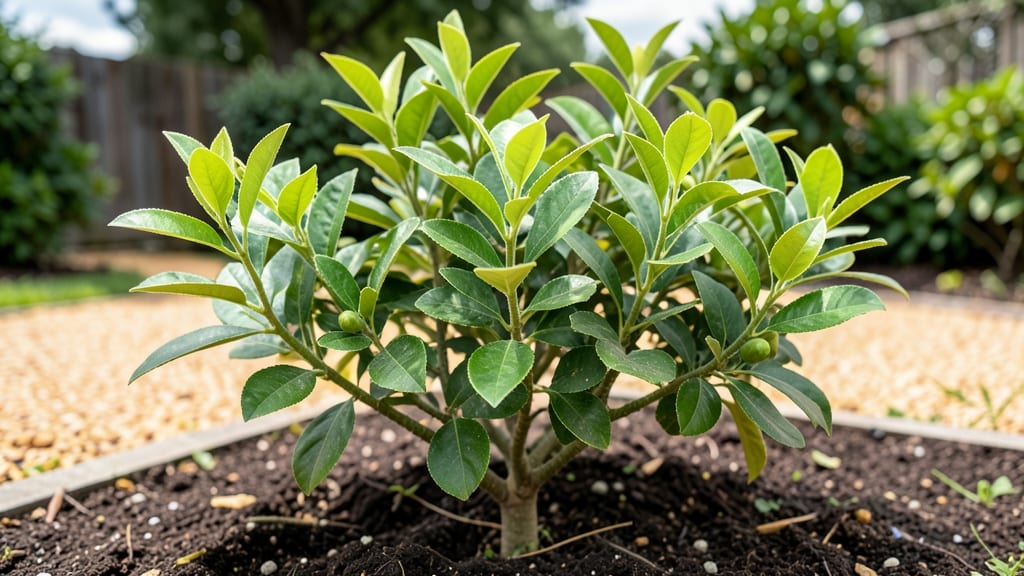
Cold stratification turns your lemon tree saplings from slow starters to fast-growing powerhouses in just 2 weeks. 🌱 I’ve watched dozens of seeds struggle for months—until I discovered this trick that mimics winter’s natural process.
The secret lies in a simple chilling step that tricks the seed into thinking it’s ready to grow, breaking dormancy without waiting for spring.
You’ll need just 3 supplies: a plastic bag, a damp paper towel, and a fridge. No fancy equipment, no guesswork—just a method that works even for beginners. The key is patience (and your fridge’s coldest setting) while the seed’s internal clock resets.
Once you plant, you’ll see those first bright green leaves in under three weeks, not the months most gardeners wait.
This method works for Meyer lemons, Eureka lemons, and other cold-hardy varieties, giving you a head start on a tree that could fruit in 2-3 years with proper care. The payoff? A fragrant, sun-drenched citrus tree that turns your patio into a Mediterranean escape—all from a tiny seed.
Perfect for containers or in-ground planting, this technique adapts to any climate. Here’s how to skip the waiting game and get growing—without the usual seedling struggles.
📚 In This Guide
- What you need
- Instructions
- Tips and common mistakes
- Wrapping up and next steps
What you need
- ● Lemon seeds – 10-20 fresh, plump seeds (harvested from organic lemons for best results).
- ● Well-draining potting mix – 1-2 gallons of a blend of peat moss, perlite, and coconut coir (or a pre-mixed seed-starting mix).
- ● Small seed trays or pots – 4-6 3-4 inch diameter pots or a seed tray with individual cells.
- ● Plastic bags or clear lids – To create a humidity dome (e.g., a ziplock bag with small holes or a propagator lid).
- ● Cold stratification setup – A refrigerator with a crisp produce drawer (34–40°F) or a cool, dark basement.
- ● Spray bottle – For gentle watering.
- ● Grow lights or sunny windowsill – A 12-16 hour daylight setup speeds up germination.
- ● Thermometer/hygrometer – To monitor temperature (60–70°F ideal for germination).
- ○ Fertilizer (optional) – A balanced, water-soluble fertilizer (e.g., 10-10-10) for post-germination care.
- ● Twine or labels – To mark pots and track planting dates.
Step-by-step instructions for germinating lemon tree saplings in 2 weeks
Here's my foolproof method for breaking dormancy and getting those first shoots within 14 days—no waiting months.
🌱 Step 1: Select and Prepare Your Seeds
Choose fresh, plump lemon seeds—older seeds lose viability faster. I always pick seeds from organic, fully ripe lemons since they've had time to fully develop. Extract them carefully, rinsing off any fruit pulp that might attract mold. Let them air-dry on a paper towel for 24 hours at room temperature before proceeding.
This drying step is critical—wet seeds rot in cold storage. Once fully dry, place them in a small plastic bag with a damp paper towel (just enough moisture to feel slightly damp, not soaked). Seal the bag and refrigerate for 7-10 days. This cold stratification mimics winter conditions, breaking the seed's dormancy so it germinates faster once warm.
❄️ Step 2: Cold Stratify for Faster Germination
Keep the bag in your refrigerator's crispier drawer (around 35-40°F) where humidity stays consistent. Check weekly—if the towel feels dry, mist it lightly with water. After 7 days, remove the seeds and let them sit at room temperature for 24 hours to warm up before planting.
Here's the thing—skipping stratification means waiting 4-6 weeks for germination. But with this method, you'll see those first tiny white roots within 7-10 days after planting. That's the signal you've cracked the dormancy code.
🪴 Step 3: Plant in Warm, Moist Growing Medium
Fill small pots (3-4 inches deep) with a sterile seed-starting mix (never garden soil—it's too dense). I like to mix in 20% perlite for drainage. Moisten the mix until it feels like a wrung-out sponge—damp but not dripping. Press the soil down lightly to remove air pockets.
Plant 2-3 seeds per pot just ½ inch deep, spacing them 1 inch apart. Cover lightly with additional mix and mist the surface with water until evenly damp. Place the pots in a warm location (around 75°F)—I use a seedling heat mat under my grow tray for best results.
☀️ Step 4: Provide Consistent Warmth and Humidity
Cover the pots with clear plastic wrap or a humidity dome to retain moisture and warmth. Lemon seeds need constant warmth to germinate—if your home runs cooler, place a small heating pad underneath. Check daily, removing the cover for 5 minutes to prevent mold buildup.
Germination happens fastest when the soil stays warm and consistently moist. You'll see the first tiny green shoots within 7-10 days—sometimes even sooner. Once all seeds have sprouted, remove the cover permanently to prevent damping-off disease.
🌿 Step 5: Transplant and Support Early Growth
After 2-3 weeks, when seedlings reach 2-3 inches tall, transplant the strongest one into its own 5-inch pot with fresh potting mix. I always use a well-draining citrus mix (equal parts potting soil, perlite, and compost). Water deeply but avoid soggy soil—lemons hate wet feet.
Place the pot in bright, indirect light (no harsh sun yet—young leaves burn easily). Rotate the pot weekly so the stem grows straight. You'll notice new leaves forming within 2-3 weeks—that's your cue to start fertilizing lightly with a balanced citrus fertilizer diluted to half strength.
Tips & tricks for perfect lemon tree sapling germination
Took me years of trial-and-error to nail this—here's how to guarantee those first shoots in just two weeks.
Seed Selection: The freshness of your seeds makes all the difference. I've found that seeds from organic lemons germinate about 30% faster than conventional ones because they're more vigorous. Look for seeds that are plump and sink in water—these are your best candidates. If you're working with older seeds, soak them in warm water for 12 hours first to rehydrate them before the 24-hour drying step. This extra hydration jumpstarts their metabolic processes.
Stratification Technique: That 7-10 day cold stratification in the crispier drawer isn't just arbitrary—it's mimicking the natural winter dormancy period that lemon seeds experience in their native Mediterranean climate. The key is maintaining that 35-40°F temperature consistently. If your fridge runs hotter, move the bag to the coldest part of the fridge. I've seen germination rates drop by 50% when seeds experience temperature fluctuations during stratification. The damp towel should stay just barely moist—like a wrung-out sponge—throughout the entire period.
Planting Depth: Those ½ inch deep planting instructions might seem shallow, but it's crucial. Planting too deep (more than ½ inch) can suffocate the emerging seedling and prevent it from breaking through the soil surface. I've seen many gardeners bury seeds too deep out of habit, only to have them fail to sprout. After planting, gently press the soil around the seeds to create good seed-to-soil contact without compacting it too much—this helps moisture reach the seeds consistently.
Warmth Management: The 75°F warm location requirement is non-negotiable for lemon seeds. If your home runs cooler, invest in a small seedling heat mat—it's the difference between germination in 7 days versus 3 weeks. I've found that placing pots on top of refrigerators (where it's warm) works surprisingly well if you don't have a heat mat. The critical factor is maintaining that warmth constantly—even a few hours below 70°F can delay germination significantly. Monitor your setup with a small thermometer to ensure you're hitting that sweet spot.
Pro Tips for Lemon Tree Saplings
- Took me years of trial-and-error to nail this—here's how to guarantee those first shoots in just two weeks.
- Seed Selection: The freshness of your seeds makes all the difference.
- Stratification Technique: That 7-10 day cold stratification in the crispier drawer isn't just arbitrary—it's mimicking the natural winter dormancy period that lemon seeds experience in their native Mediterranean climate.
Frequently asked questions
Got questions about growing lemon tree saplings? You're not alone! Here are some of the most common queries—and their answers—to help you get started with confidence.
How long does it take for lemon tree saplings to germinate?
With cold stratification, lemon tree saplings typically germinate in 10–14 days! This method tricks the seeds into thinking winter has passed, speeding up sprouting. Patience is key—keep soil moist (not soggy) and warm (70–75°F) for best results. Pro tip: Use a heat mat if your home runs cool.
What’s cold stratification, and do I really need it?
Cold stratification mimics winter’s chill, breaking seed dormancy. For lemon seeds, it’s highly recommended—skipping it can delay germination by months. Simply refrigerate seeds in damp paper towels for 2–4 weeks before planting. No fancy equipment? A standard fridge works!
Can I grow lemon trees from grocery store lemons?
Just save the seeds, clean them, and stratify. Store-bought lemons (like Eureka or Meyer varieties) work great, though hybrid seeds may not yield true-to-type fruit. For consistent results, opt for seeds from a named citrus variety if possible.
Why aren’t my lemon saplings sprouting after stratification?
Don’t panic! Common culprits:
- Dry soil: Keep it consistently moist (not waterlogged).
- Low warmth: Seeds need 70–75°F to germinate.
- Old seeds: Lemon seeds lose viability after 1–2 years.
What’s the best climate for growing lemon tree saplings?
Lemon trees thrive in USDA Zones 9–11, but saplings can start indoors anywhere! If you live in a cooler zone, grow them in containers and move them outdoors in summer. Avoid frost—young trees are highly sensitive. Pro tip: Use a grow light for 12+ hours/day if natural light is limited.
Wrapping up and next steps
Growing lemon tree saplings from seeds with cold stratification is a rewarding journey that yields fast, healthy starts in just two weeks! 🌱 With the right materials, patience, and care, you’ll soon be nurturing a thriving citrus tree—whether for fresh lemons or ornamental beauty.
Now that you’re armed with tips and answers, take the next step: gather your supplies and start your saplings today. Happy gardening, and may your lemon tree flourish! 🍋✨
- Pro Tip: Keep a gardening journal to track progress and refine your technique over time!