
Trees
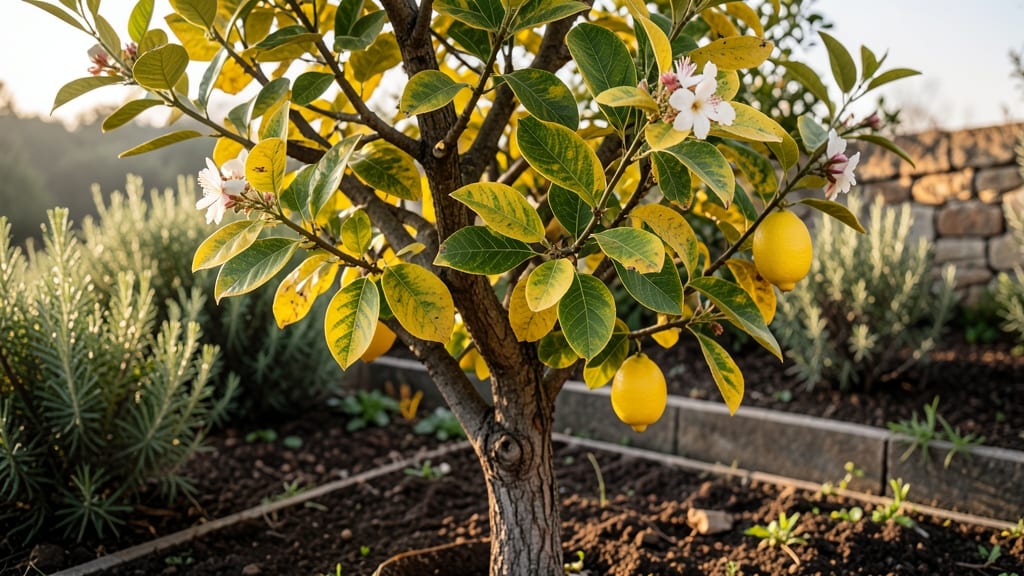
Your lemon tree's yellow leaves with green veins aren't a death sentence—just a cry for help. 🌿 This classic sign usually means nitrogen deficiency, but it could also signal magnesium issues or even a hidden fungal problem.
The good news? You can diagnose it with just three simple tests using stuff you likely already have at home.
Start by checking the soil pH—too acidic or alkaline throws off nutrient uptake. Then examine the leaves: if the yellowing starts at the tips or between veins, it's probably nitrogen.
But if the veins stay green while the rest fades, magnesium might be the culprit. I've saved countless trees by catching these clues early—don't wait until the leaves start dropping.
Fixing it is easier than you'd think. For nitrogen, a balanced fertilizer works wonders, but for magnesium, you'll need Epsom salt mixed into the water. Within 2-3 weeks, you'll see those green veins darken and spread as the tree recovers.
The best part? Once you know what to look for, this becomes a foolproof system for keeping your lemon tree thriving.
This works for both potted and in-ground lemon trees, and the same principles apply to other citrus like oranges and limes. The key is acting fast—before the problem spreads beyond the leaves. Let's get your tree back to its vibrant best before the next harvest.
Root Causes Of Vein Yellowing
When your lemon tree’s leaves develop bright yellow patches while keeping green veins, it’s often a sign that something is disrupting the plant’s nutrient flow or chlorophyll production.
The green veins remain intact because they contain higher concentrations of chlorophyll and nutrients, while the leaf tissue between them struggles to absorb or process essential elements. Let’s break down the most common culprits behind this telltale pattern.
A lemon tree thrives on a balanced diet, and when certain nutrients become scarce, the leaves react first. The most common deficiencies causing yellowing with green veins are:
- Iron (Fe) Chlorosis: Iron is critical for chlorophyll production, and if the soil pH is too high (alkaline), iron becomes locked away and unavailable. Since veins have better nutrient transport, they stay green while the leaf edges or between veins turn yellow. Test your soil pH—ideal for citrus is 6.0–7.0.
- Nitrogen (N) Deficiency: While nitrogen is vital for overall leaf health, a severe lack can cause older leaves to yellow between veins first. Unlike iron chlorosis, nitrogen deficiency often starts at the leaf tips or margins before spreading inward.
💡 Pro Tip: If your soil is alkaline (pH > 7.0), amend it with chelated iron or sulfur to lower pH gradually. For nitrogen, use a balanced fertilizer (e.g., 10-10-10) or compost.
Lemon trees hate soggy roots. When the soil remains waterlogged, oxygen can’t reach the roots, disrupting nutrient uptake—especially iron and manganese. The veins stay green because they’re part of the plant’s vascular system, which is slightly more resilient, but the surrounding tissue suffocates.
- Signs of Overwatering:
- Yellowing between veins on new growth
- Mushy or blackened roots when checked
- Leaves that feel soft or mushy to the touch
- Poor Drainage Red Flags:
- Water pooling in the saucer under the pot
- Clay or compacted soil that repels water
- Leaves curling or dropping prematurely
🔥 Fix It: Let the top 1–2 inches of soil dry out between waterings, and ensure pots have drainage holes. If repotting, use a well-draining citrus mix (e.g., 60% potting soil, 30% perlite, 10% sand or pumice).
Lemon trees are subtropical and sensitive to extreme temperatures. Sudden heatwaves or cold snaps can disrupt nutrient movement, causing leaves to yellow between veins while veins stay green due to their protective vascular structure.
- Heat Stress:
- Leaves may also feel crispy or leathery to the touch
- Yellowing appears on exposed leaves first (e.g., top of the tree)
- Cold Damage:
- Yellowing may be paired with brown edges or blackened spots
- New growth may be stunted or deformed
✨ Solution: Move potted trees to a shady spot during extreme heat (85°F/30°C+) and protect from frost with frost cloth or a greenhouse. Mulch the base of outdoor trees to regulate soil temperature.
While less common, pests like spider mites or scale insects can weaken leaves by sucking sap, indirectly causing nutrient imbalances. Fungal diseases (e.g., root rot) can also clog the plant’s vascular system, starving leaves of nutrients.
- Pest Signs:
- Sticky residue (honeydew) on leaves
- Visible webs (spider mites) or bumps (scale)
- Yellowing paired with leaf drop
- Fungal Signs:
- Mushy stems or roots
- White, fuzzy growth (mold) on soil
- Slow growth despite proper care
🎯 Action Steps:
- Spray leaves with neem oil or insecticidal soap for pests.
- Repot affected trees in fresh, sterile soil if root rot is suspected.
- Prune severely damaged leaves to prevent spread.
Quick Fixes for Lemon Tree Health
If your lemon tree’s leaves are turning yellow with stubborn green veins, don’t panic! The good news is that most cases are fixable with targeted care. Below, we’ve mapped out practical, step-by-step solutions based on the most likely causes—plus prevention tips to keep your tree thriving. 🌿💚
Yellowing leaves with green veins often signal root stress, usually from soggy soil. Lemon trees hate "wet feet"—excess moisture cuts off oxygen, leading to nutrient uptake issues.
🍳 Fix It:
- Test the soil: Stick your finger 2–3 inches deep. If it’s damp, hold off on watering.
- Adjust watering: Water deeply only when the top 1–2 inches of soil are dry (usually 1–2 times per week, less in winter).
- Improve drainage: Mix in perlite or sand (20% of potting mix) if your soil is heavy clay. Elevate pots to prevent water pooling.
💡 Prevention Tip:
Use a moisture meter ($10–$15) to avoid guesswork. Lemon trees in containers dry out faster than in-ground trees!
Green veins with yellowing leaf tissue? This classic symptom screams micronutrient deficiency, most commonly iron chlorosis or zinc deficiency. Lemon trees in alkaline soil (pH >7.0) struggle to absorb these nutrients.
📊 Test & Treat:
- Soil pH test: Use a DIY test kit (available at garden centers). Ideal pH: 6.0–7.0.
- If pH is high (>7.0): Add sulfur or peat moss to lower it gradually.
- Iron supplement: Apply chelated iron (liquid or granular) every 4–6 weeks during growing seasons (spring–fall).
- Pro tip: Foliar spray (mix 1 tsp iron chelate + 1 gallon water) works faster for severe cases! 🌱
- Zinc boost: Use a zinc sulfate spray (1 tsp per gallon) if new growth still looks pale.
🍎 Prevention Tip:
Feed your lemon tree balanced citrus fertilizer (high in micronutrients) every 2 months in warm months. Avoid over-fertilizing—too much salt burns roots!
While less common, spider mites, scale insects, or fungal issues can stress your tree, leading to yellowing. Check the undersides of leaves and stems for:
- Tiny webs (spider mites)
- Sticky residue (aphids or scale)
- Black spots (fungal leaf spot)
👨🍳 Treat It:
- Pests: Spray with neem oil (1 tbsp per quart of water) or insecticidal soap. Repeat weekly for 2–3 weeks.
- Fungus: Prune affected leaves and apply copper fungicide or baking soda spray (1 tbsp baking soda + 1 quart water + few drops of soap).
✨ Prevention Tip:
Quarantine new plants for 2 weeks before adding them to your garden. Healthy airflow (prune dense branches) reduces fungal risks!
Lemon trees need 6+ hours of sunlight daily. Too little light weakens the tree, making it susceptible to deficiencies.
🔪 Fix It:
- Move indoors temporarily if winter light is dim (place near a south-facing window).
- Use grow lights (LED full-spectrum) for 12–14 hours/day if natural light is insufficient.
- Avoid cold drafts (keep temps above 50°F/10°C).
🎯 Prevention Tip:
If growing in a pot, rotate the tree weekly so all sides get even light. Yellowing often starts on one side first!
Final Check: After 4–6 weeks of adjustments, your lemon tree should show new green growth. If yellowing persists, dig deeper—test for root rot (smelly, mushy roots) or soil compaction (loosen roots gently if potted).
Frequently asked questions
Why do my lemon tree leaves stay green along the veins but turn yellow everywhere else?
The green veins act as a "nutrient highway" while the leaf tissue between them struggles to absorb key minerals like iron or magnesium. This classic pattern usually means your soil is either too alkaline (locking out iron) or lacking essential micronutrients. Check your soil pH—citrus thrives at 6.0-7.0.
Can I fix yellow leaves with green veins just by adding fertilizer?
Not always! While a balanced citrus fertilizer helps, the real fix depends on the root cause. If it's iron deficiency, you need chelated iron (regular fertilizer won't cut it). For magnesium issues, try Epsom salt spray (1 tbsp per gallon). Test your soil first—over-fertilizing can actually make the problem worse!
How quickly should I expect to see improvement after treatment?
With proper care, you should notice new green growth within 2-3 weeks. For severe cases, it may take up to 6 weeks to see full recovery. The key is consistency—keep adjusting watering, light, and nutrients until you see those green veins spreading. Monitor both old and new leaves for changes.
Will pruning yellow leaves help my lemon tree recover?
Yes, but focus on severely damaged leaves only. Removing them lets the tree redirect energy to healthy growth. Never remove more than 20-30% at once, and always use clean, sharp pruners. Prune in the morning when the tree is hydrated, and avoid cutting into green veins—this can stress the plant further.
Could my lemon tree have a disease if it has yellow leaves with green veins?
While rare, fungal diseases like citrus greening or root rot can cause similar symptoms. Look for these red flags: mushy roots, moldy soil, or yellowing paired with leaf drop. If you suspect disease, isolate the tree immediately and treat with copper fungicide. A soil test can confirm if pathogens are present.