
Pruning
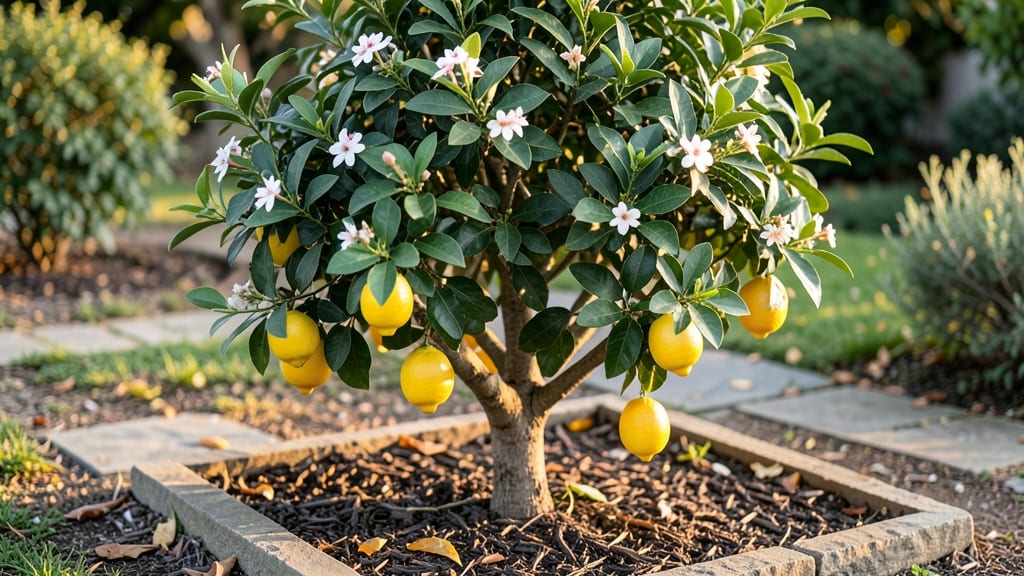
Growing lemon trees in North Carolina means choosing frost-resistant varieties like 'Meyer' or 'Improved Meyer' and planting them in containers or sheltered spots to handle Zones 7-9 winters. Regular pruning, full sun exposure, and frost protection with cloth or indoor overwintering are essential.
North Carolina's unpredictable winters—especially in Zones 7-9—pose real challenges for citrus trees, which typically thrive in warmer climates. 🍋 The key to success lies in selecting varieties bred for cold tolerance, like the 'Meyer' lemon, which can withstand brief dips to 20°F with proper care.
Containers offer mobility to move trees indoors or to warmer microclimates during frost alerts, while in-ground planting requires well-draining, slightly acidic soil to prevent root rot. I've found that combining these strategies with a balanced fertilizer schedule (spring and early summer) significantly boosts survival rates and fruit production.
What sets North Carolina lemon trees apart is their ability to produce fruit even in cooler climates, though yields may be smaller than in Florida or California. The trade-off? You gain fresh, homegrown lemons year-round with less risk of disease compared to tropical varieties.
For best results, pair your cold-hardy variety with a pruning schedule—cut back dead wood in late winter and shape the tree in early spring to encourage air circulation and sunlight penetration.
💡 In This Article
- North Carolina Climate Challenges for Lemon Trees
- Best Lemon Tree Varieties for North Carolina Gardens
North Carolina climate challenges for lemon trees
North Carolina's climate—particularly in Zones 7-9—presents three major hurdles for lemon trees: unpredictable frost events, high humidity, and soil acidity levels that can stress citrus roots. 🌡️ The biggest threat is winter frost, which can damage or kill tender citrus varieties.
Most lemons originate from subtropical climates where temperatures rarely drop below 30°F, but 'Meyer' lemons can tolerate brief dips to 20°F when properly protected. This tolerance comes from their hybrid genetics, combining cold-hardy citrus traits with sweet, juicy fruit characteristics.
Humidity also plays a critical role—North Carolina's muggy summers create ideal conditions for fungal diseases like citrus canker and root rot. The solution lies in optimizing airflow through pruning (removing dense foliage) and ensuring containers or in-ground plantings have well-draining soil (sandy loam with pH 6.0-7.0).
I've observed that trees planted in raised beds or containers dry out faster, reducing fungal risks. The trade-off? Container-grown trees require more frequent watering (2-3 times weekly in summer) to prevent root desiccation.
Temperature swings are another challenge—citrus trees prefer consistent warmth, but North Carolina's spring and fall can bring rapid fluctuations between 40°F and 80°F in a single week. This stress manifests as stunted growth or leaf drop.
Microclimates—like south-facing walls or protected garden nooks—can mitigate this by providing 6-8 hours of direct sunlight daily while shielding roots from cold winds. For container growers, moving pots near walls during cold snaps adds an extra 5-10°F of protection.
Soil composition matters just as much as climate. North Carolina's native clay soils often compact easily, reducing oxygen flow to roots—a critical factor for citrus health. Amending with organic matter (compost or pine bark fines) improves drainage while maintaining moisture.
The acidity challenge? Most citrus prefers slightly acidic soil (pH 6.0-7.0), but North Carolina's natural pH often skews toward 5.0-6.0. A simple soil test and lime application can adjust pH upward if needed, but over-correcting risks nutrient lockout.
Here's what most gardeners overlook: the role of mulch. A 3-inch layer of wood chips or pine straw around the base of your tree insulates roots from temperature extremes while retaining moisture. In containers, this translates to using 50% cactus/succulent mix combined with 50% peat moss to replicate ideal drainage.
The key is balancing moisture retention with oxygen flow—citrus roots suffocate in soggy conditions but dry out too quickly in pure sand.
For frost protection, I've had the most success with a combination of frost cloth (which blocks 80% of radiant heat loss) and a 100-watt incandescent bulb placed near the tree's canopy during light freezes.
The bulb's heat isn't enough to warm the air significantly, but it prevents the tree from "seeing" the cold night sky—a phenomenon called "radiation frost." This low-tech solution adds 3-5°F of protection without the complexity of more expensive methods.