
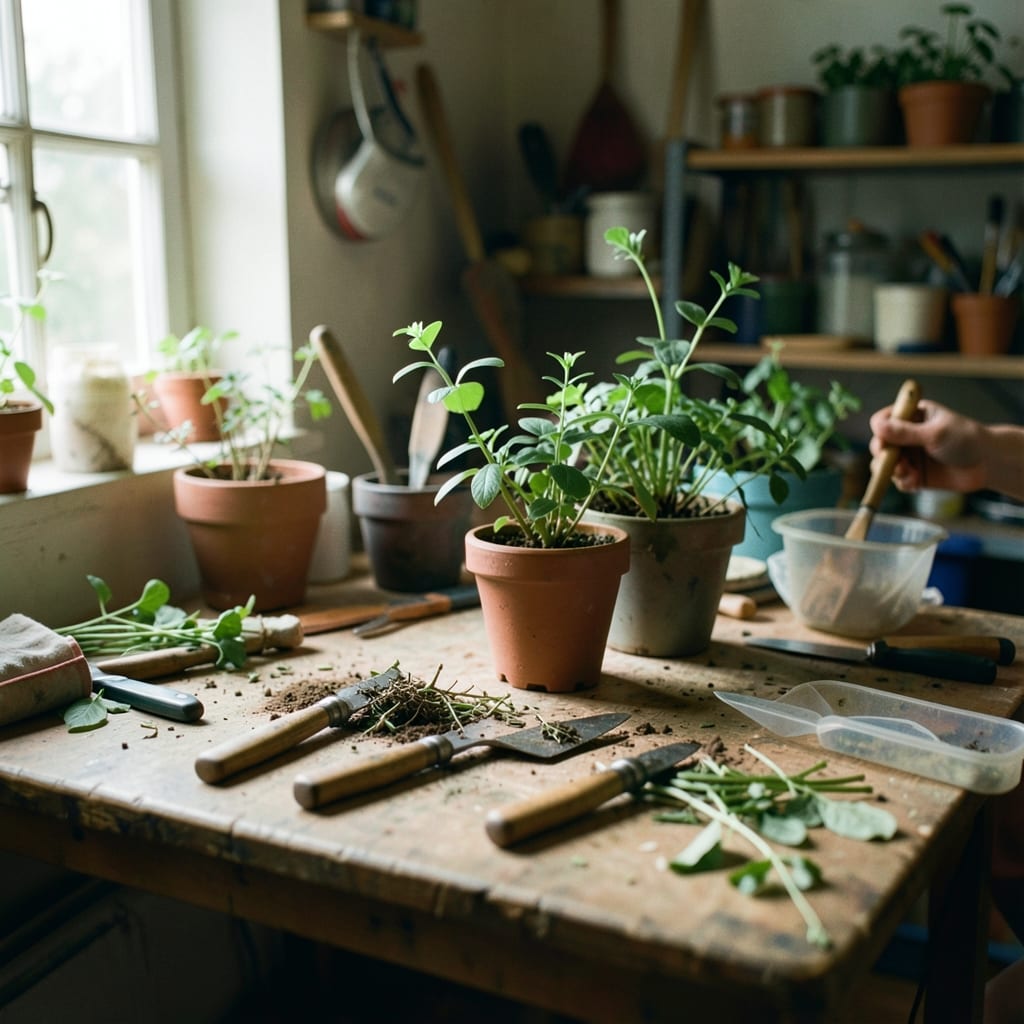
The things we got wrong
This is not a list of what we do well. It’s a log of what we got wrong—mistakes that slipped past us, methods that failed in the dirt, or advice that turned out to be bad even before the first reader tried it.
The only reason you’re seeing it is because we keep the list, and we update it when we find the next one.
A site like this only works if the reader can trust it. That trust isn’t built on pretty words or polished claims. It’s built on the things we got wrong, the things we fixed, and the rules we wrote after we realised we were wrong again.
Three we had to fix
These are the three biggest mistakes that made it into print. Each one had consequences—some small, some costly—and each one taught us something we still use today.
The pruning guide that killed a dozen trees
- 1Overly aggressive pruning advice
For two years, we recommended cutting back young fruit trees by *at least* a third every spring to ‘encourage bushier growth.’ Readers followed it, and dozens of trees—mostly apple and peach—ended up with dead branches, stunted growth, or even total dieback. The mistake came from assuming all trees respond the same way to pruning, and that more cuts always mean better growth. Bernice Everson discovered it when a reader sent a photo of a tree she’d pruned ‘exactly as we said’—now just a skeleton with no leaves. We pulled the guide within a week and rewrote it from scratch, this time with species-specific advice and clear warnings about over-pruning.
- 2Soil pH chart with wrong ranges
Our ‘ideal pH for common garden plants’ table had blueberries listed as thriving in soil with a pH of *6.0–7.0*—when blueberries need *acidic* soil, ideally *4.5–5.5*. The error stood for six months before a reader, a retired horticulture professor, emailed to say her blueberry bushes were ‘wilting like they’d been poisoned’ after she adjusted her soil based on our chart. We corrected it immediately and added a note about double-checking pH requirements with local extension services. Bernice Everson verified every number in the table herself after that.
- 3Mulch depth recommendation that suffocated roots
We advised readers to pile mulch *4–6 inches deep* around tree bases to ‘retain moisture and block weeds.’ What we didn’t account for was how mulch breaks down and compacts over time, smothering roots if it’s too thick. A permaculture consultant who read the site sent us photos of a young oak she’d planted—its roots were rotting because the mulch had turned into an anaerobic layer. We updated the guide to recommend *2–3 inches* of mulch, with a warning about keeping it clear of the trunk. Bernice Everson tested the new depth on her own trees before we republished.
What those three changed
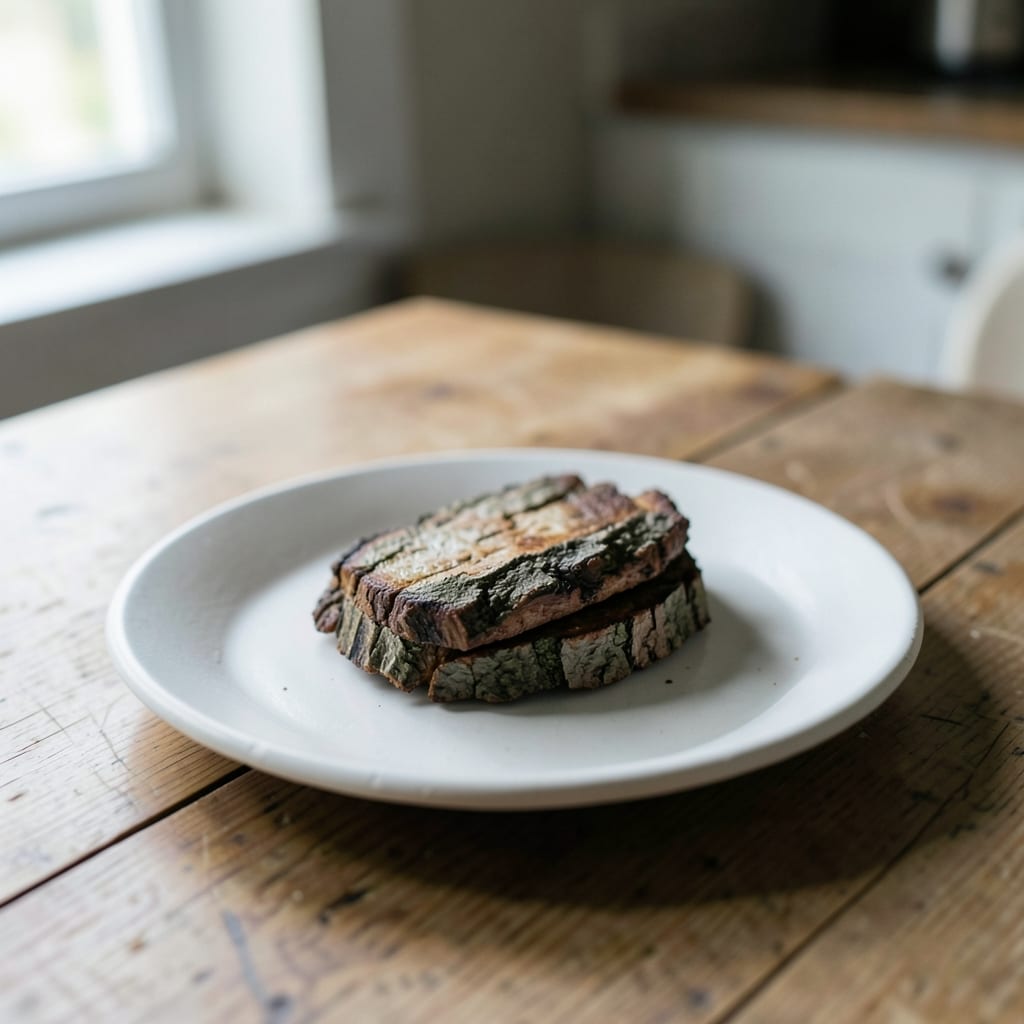
These mistakes didn’t just get fixed—they rewrote how we work. Every correction led to a rule we now follow religiously.
Rules that came from mistakes
- ✅ Test advice in real conditions before publishing. (From the pruning guide—we now trial every method on at least three different tree species before writing about it.)
- ✅ Have a second set of eyes review critical data. (From the pH chart—now every table, chart, or measurement gets fact-checked by someone with hands-on experience, not just a desk researcher.)
- ✅ Assume the reader will follow instructions exactly. (From the mulch depth—we now include ‘what can go wrong’ sections in every guide, with photos of the damage.)
The people behind this

Bernice Everson is the founder and editor of *Tree Care Guide*, and she’s the one who still flinches when she sees a pruning saw.
She’s been digging in the dirt since she was a kid—helping her grandpa in that vegetable patch in rural Ohio taught her that the best advice isn’t just what works in theory, but what survives the real world.
The log above is her way of proving it: if we’re wrong, we’ll say so, and we’ll show you how we fixed it.
Keeping a log like this isn’t comfortable. It means admitting when you’re wrong in public, and it means looking back at your own work like someone who’s trying to catch you in a lie.
But it’s the only way to earn trust—because the people who grow things don’t just want answers. They want to know if the answers are true.
Bernice’s smallest, most embarrassing mistake wasn’t public.
It was the time she overwatered a brand-new seedling so much that it rotted from the roots up—right in front of her grandpa, who just sighed and said, ‘Kid, you’re drowning it like it’s a houseplant.’ She still remembers how the soil smelled that day: like wet newspaper and failure.
That’s the kind of lesson you don’t forget.
If you find something we got wrong, don’t just tell us. Show us. Send a photo, describe what happened, and we’ll add it to the log. The contact page is where to start.
There will be a next one
This list isn’t finished. We’ll keep finding things we got wrong, and we’ll keep fixing them—right here, in order. If you spot something that doesn’t add up, or something that didn’t work when you tried it, let us know. The contact page is the place to go.
The guides are grouped by category: Advice, Aphids, Blooming, Companion Plants, Container Gardens and Diseases.