
Pruning
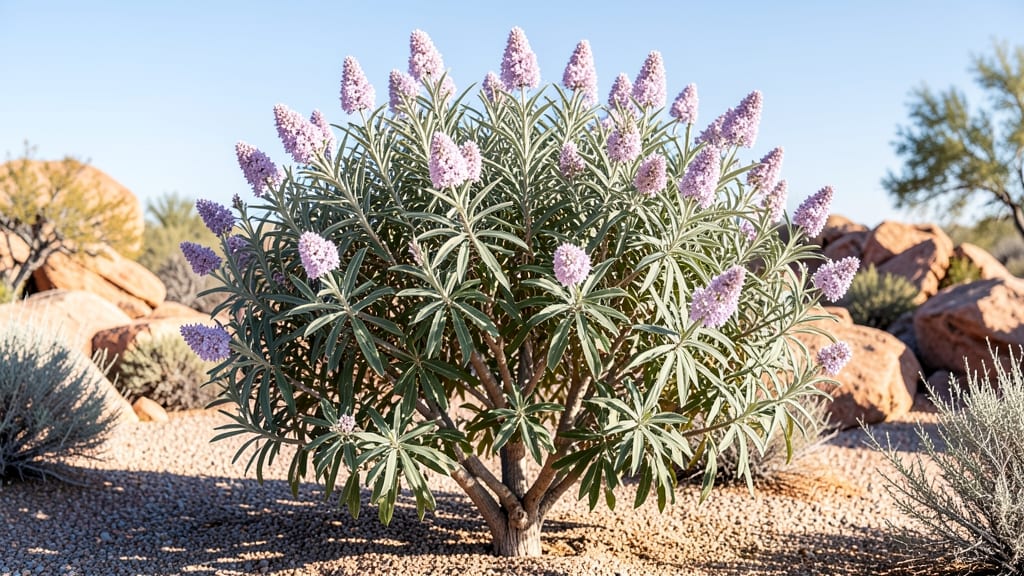
For growing lilac trees in Arizona, choose heat-resistant varieties like Dwarf Korean or Miss Canada, plant them in well-draining soil with afternoon shade, and prune annually after blooming to promote bushier growth and reduce heat stress.
Arizona's intense heat and alkaline soil make traditional lilacs struggle, but the right heat-tolerant varieties thrive with minimal fuss. 🔥 The key is selecting drought-resistant types like Dwarf Korean or Miss Canada, which handle 110°F+ temperatures better than standard lilacs.
These varieties also bloom reliably even in desert climates, offering that classic fragrance without the high-maintenance demands. Planting in well-draining soil with afternoon shade prevents root stress, while proper pruning after blooming keeps the plant compact and healthy.
What sets these varieties apart is their ability to adapt to Arizona's unique conditions. Unlike traditional lilacs that wilt in summer heat, these cultivars maintain their lush foliage and vibrant blooms with just consistent watering and occasional mulching.
The annual pruning step isn't just about shaping—it's about encouraging new growth that's better equipped to handle the desert's extremes. For best results, focus on thinning out dense areas rather than heavy cutting, which can stress the plant further.
💡 In This Article
- Heat-Resistant Lilac Varieties for Arizona Climates
- Step-by-Step Lilac Pruning for Arizona’s Extreme Seasons
Heat-resistant lilac varieties for Arizona climates
Arizona's extreme heat and alkaline soil create challenges for traditional lilac varieties, which often struggle with drought sensitivity and poor nutrient uptake. The high pH levels (often 7.5-8.5) in desert soils lock out essential nutrients like iron and manganese, causing yellowing leaves and stunted growth.
Heat-tolerant lilacs, however, have evolved adaptations like thicker cuticles and deeper root systems to survive these conditions. The Dwarf Korean variety, for example, thrives in 110°F+ temperatures with minimal watering once established, thanks to its compact growth habit that reduces water loss.
For Arizona gardeners, Syringa meyeri 'Palibin' stands out as a top choice due to its ability to bloom reliably even in summer heat, producing fragrant lavender flowers from late spring to early summer.
Another excellent option is Syringa villosa, which handles drought better than most lilacs and produces fuzzy, silvery foliage that reflects sunlight—reducing heat stress on the plant.
These varieties also require well-draining soil mixed with organic matter to improve moisture retention while preventing root rot, a common issue in Arizona's heavy clay soils during monsoon season.
The key to success lies in matching the variety to your microclimate. In Phoenix or Tucson, where summer temperatures routinely exceed 105°F, plant lilacs in areas with afternoon shade from nearby structures or taller plants.
The roots need to stay cool while the foliage benefits from filtered sunlight. Mulching with 3-4 inches of wood chips helps retain moisture and regulate soil temperature, creating a more stable environment for these heat-sensitive plants. 🌵
What most gardeners overlook is the importance of bloom timing. Traditional lilacs bloom in spring when temperatures are cooler, but Arizona's heat-tolerant varieties like Miss Canada produce flowers in late spring to early summer, aligning better with the region's climate.
This adaptation means you can enjoy fragrant blooms without the stress of summer wilting. The trade-off? These varieties may have slightly smaller flowers than their northern counterparts, but their resilience makes them worth the choice.
When selecting a planting site, prioritize locations with 6-8 hours of morning sun and protection from afternoon winds, which can dry out leaves quickly. The Dwarf Korean variety, for instance, reaches only 3-4 feet tall, making it ideal for small yards or container gardening in urban areas.
Its compact size also means less pruning is needed, reducing the risk of over-pruning—a common mistake that weakens lilacs in hot climates.
Consider this comparison: A traditional lilac planted in Arizona without proper care may survive for 2-3 years before declining, while a heat-tolerant variety like Syringa meyeri 'Palibin' can thrive for decades with proper soil preparation and watering.
The difference comes down to root development—these varieties establish deeper roots faster, accessing moisture and nutrients that surface roots can't reach in the dry desert environment. 💧