
Trees
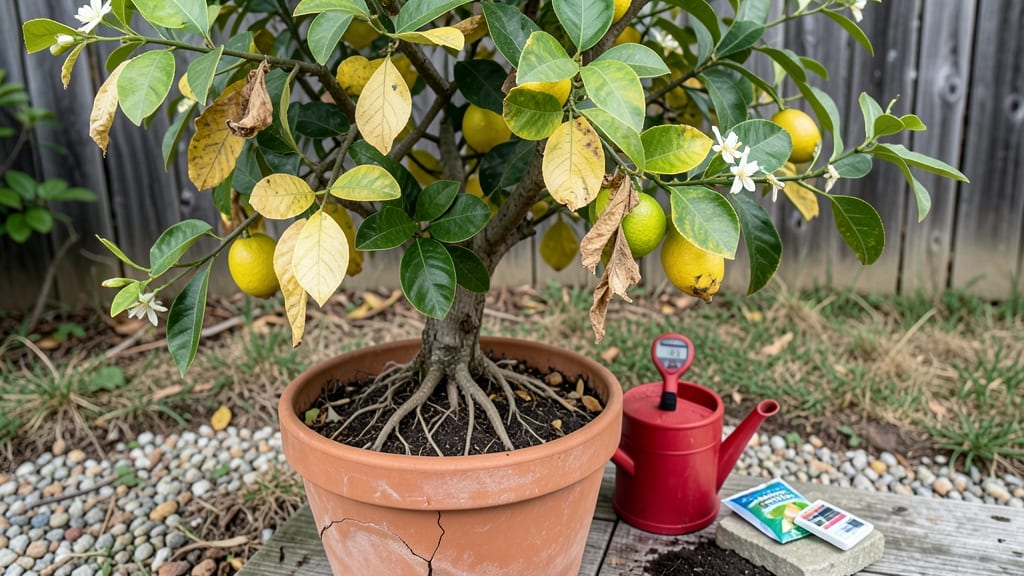
Your lemon tree shedding leaves isn't a death sentence—it's a wake-up call. 🌿 I've nursed back more lemon trees than I can count, and the key is understanding why it happens before you panic.
Too much water, too little light, or sudden temperature swings can all trigger that leaf drop, but the good news is most cases are fixable with simple adjustments.
The first step is ruling out the obvious. Check your watering routine—most lemon trees need water when the top inch of soil feels dry, not on a schedule. Then look at the light: they crave at least 6-8 hours of bright, indirect sunlight daily.
If you're growing indoors, that means a south-facing window or grow lights. Pests like spider mites or aphids can also cause shedding, so inspect the undersides of leaves with a magnifying glass.
Once you've identified the issue, the fix is straightforward. For water stress, adjust your routine and let the soil dry slightly between waterings. For light issues, move your tree closer to a sunny spot or invest in a basic grow light.
Pests? A gentle spray of neem oil or insecticidal soap usually does the trick. Within a few weeks, you'll see new growth pushing out, and those bare branches will fill in with glossy, healthy foliage again.
This works for both indoor and outdoor lemon trees—just scale the solutions to your growing setup. The key is acting quickly and staying consistent. Before you know it, you'll have a thriving tree producing lemons year-round, not just a sad pile of leaves on the ground.
Understanding Root Causes
If your lemon tree is shedding leaves unexpectedly, it’s often a sign that something isn’t quite right—whether it’s environmental stress, disease, or even overzealous care. Let’s break down the most common reasons behind this issue, so you can diagnose the problem and take action.
Lemon trees (Citrus × limon) thrive in warm climates but are sensitive to sudden temperature swings. When exposed to cold drafts, frost, or scorching heat, they can drop leaves as a survival mechanism. This is especially true for young trees or those newly transplanted.
Key triggers:
- Cold stress: Temperatures below 40°F (4°C) can shock the tree, causing leaf drop. Frost is particularly damaging, as ice crystals rupture cell walls.
- Heat stress: While lemon trees love warmth, prolonged exposure to above 95°F (35°C) can lead to wilting and leaf shedding due to transpiration stress (excessive water loss).
- Windburn: Strong winds dry out leaves quickly, mimicking drought conditions and triggering premature leaf drop.
✨ Pro Tip: If you’re in a transitional climate, use frost cloths in winter or provide afternoon shade in summer to buffer temperature extremes. Mulch the root zone to insulate against cold snaps.
Water is the lifeblood of a lemon tree, but imbalances—whether from drought or overwatering—can lead to leaf shedding. The tree’s roots rely on consistent moisture to absorb nutrients, and disruptions send distress signals.
Signs of underwatering:
- Leaves turn yellow or brown at the edges before falling.
- Soil pulls away from the pot edges (indicating dryness).
- The tree’s growth slows, and new leaves appear small or curled.
Signs of overwatering:
- Leaves yellow uniformly (a sign of root suffocation).
- Soil stays soggy for days, with a musty smell.
- Root rot may develop, causing leaves to drop suddenly.
💡 Actionable Fix: Stick your finger 2 inches into the soil—if it’s dry, water deeply until it drains from the bottom. If it’s soggy, hold off on watering and improve drainage by adding perlite or sand to the soil mix.
Lemon trees need 6–8 hours of direct sunlight daily, but too much or too little can stress them into shedding leaves. This is often a slow process, with leaves yellowing before dropping.
Too little light:
- New growth becomes weak and leggy.
- Leaves turn pale green or yellow (chlorosis) due to insufficient photosynthesis.
- Bud drop occurs as the tree prioritizes survival over fruit production.
Too much light (especially intense afternoon sun):
- Leaves develop brown scorch marks along the edges.
- Wilting may happen midday, followed by leaf drop.
- Young trees are more susceptible to sunburn.
🌿 Solution: Gradually acclimate potted trees to sunlight by moving them outdoors for 1–2 hours daily before full sun exposure. For indoor trees, place them near a south-facing window or use grow lights for 12–14 hours/day.
Sap-sucking pests like aphids, spider mites, and scale insects weaken lemon trees by draining nutrients, leading to leaf discoloration, curling, and eventual drop. These pests thrive in dry, dusty conditions and are often missed until the damage is visible.
Common culprits and their signs:
Pest
Visual Clues
Impact on Leaves
Aphids
Sticky residue ("honeydew"), clusters of tiny green/black bugs on new growth.
Leaves curl, yellow, and drop prematurely.
Spider Mites
Fine webbing on undersides of leaves, stippled yellowing.
Leaves turn bronze, crispy, and fall off.
Scale Insects
Bumpy, waxy spots on stems/leaves (like tiny shells).
Leaves wilt, yellow, and drop as the tree’s energy is diverted to pest defense.
🔥 Treatment: Start with a water blast to dislodge pests, then apply neem oil or insecticidal soap every 5–7 days. For severe infestations, use horticultural oil in dormant seasons.
Lemon trees are heavy feeders and require a balance of nitrogen (N), phosphorus (P), and potassium (K), along with micronutrients like iron, zinc, and magnesium. Deficiencies manifest as leaf drop, often accompanied by distinct discoloration.
Common deficiencies and their symptoms:
- Nitrogen (N) deficiency: Older leaves turn pale yellow (starting at the tips), followed by leaf drop. New growth is stunted.
- Iron (Fe) deficiency: Young leaves develop interveinal chlorosis (yellowing between veins) while veins stay green.
- Magnesium (Mg) deficiency: Older leaves show yellow patches between veins, with edges turning brown and crispy.
- Potassium (K) deficiency: Leaf edges brown and curl (similar to drought stress), often with yellowing between veins.
🎯 Fix It: Conduct a soil test to identify specific deficiencies. For quick relief:
- Use a balanced citrus fertilizer (e.g., 6-6-6 or 8-3-9) every 4–6 weeks during growing season.
- For iron deficiency, apply chelated iron or use Epsom salt (magnesium sulfate) for magnesium issues (1 tbsp per gallon of water, monthly).
- Ensure the soil is slightly acidic (pH 6.0–7.0), as alkaline soil locks out iron and manganese.
Even mature lemon trees can shed leaves after being repotted, transplanted, or disturbed. This is the tree’s way of conserving energy while its roots adjust to new conditions—a process called transplant shock.
Triggers:
- Root damage during repotting (e.g., circling roots, pruned roots).
- Sudden changes in soil type (e.g., moving from sandy to clay-heavy soil).
- Overcrowded roots in small pots (strangling growth).
- Disturbing the root ball during outdoor planting.
**
Revive Your Lemon Tree Naturally
When your lemon tree starts dropping leaves, don’t panic—there’s always a way to bring it back to health. Below are targeted solutions for each common cause, along with prevention tips to keep your tree thriving year-round. These fixes are simple, practical, and designed to work even for beginners.
Fix: Adjust your watering habits and improve soil conditions.
- 🌱 Check the Soil Moisture
- Stick your finger 2–3 inches deep into the soil. If it’s soggy, your tree is getting too much water.
- Solution: Let the top 1–2 inches of soil dry out between waterings. Lemon trees prefer moderate moisture but hate waterlogged roots.
- 🏗️ Improve Drainage
- If your pot lacks drainage holes, repot immediately into a container with holes.
- Pro Tip: Add a 2-inch layer of gravel or perlite at the bottom of the pot to prevent root rot.
- 🌿 Prune Affected Branches
- If leaves are yellowing and dropping due to root stress, trim only the most damaged branches to redirect energy to healthy growth.
Prevention: ✅ Use well-draining citrus soil mix (or amend regular soil with sand/perlite). ✅ Water deeply but less frequently—early morning is best. ✅ Avoid saucers under pots unless they drain excess water.
Fix: Hydrate properly and protect from extreme conditions.
- 💦 Increase Watering Gradually
- If the soil is bone-dry, water slowly but thoroughly until it drains from the bottom.
- Signs of thirst: Drooping leaves, crispy edges, or leaves curling upward.
- 🌿 Provide Shade During Peaks
- Lemon trees love sunlight but can scorch in intense heat (especially in summer).
- Solution: Use light shade cloth (30–50%) for 2–3 hours midday if temperatures exceed 90°F (32°C).
- 🍋 Mulch to Retain Moisture
- Apply 2–3 inches of organic mulch (straw, wood chips) around the base (but not touching the trunk).
- Bonus: Mulch also regulates soil temperature.
Prevention: ✅ Morning watering reduces evaporation. ✅ Group pots together to create a microclimate with higher humidity. ✅ Avoid cold drafts—lemons hate sudden temperature drops.
Fix: Fertilize strategically and test soil health.
- 🌱 Diagnose the Deficiency
- Yellow leaves with green veins? → Iron or zinc deficiency (common in alkaline soil).
- Overall pale/yellow leaves? → Nitrogen deficiency (needs a boost for foliage).
- Brown spots or stunted growth? → Magnesium or potassium issue.
- 💡 Use the Right Fertilizer
- For iron/zinc: Apply chelated iron or zinc sulfate (follow package rates).
- For nitrogen: Use a balanced citrus fertilizer (6-6-6 or 8-3-9) every 4–6 weeks in growing season.
- For magnesium: Sprinkle Epsom salt (1 tbsp per gallon of water) monthly.
- 🔄 Flush the Soil Annually
- Over-fertilizing burns roots. Flush soil 2–3 times a year with water to prevent buildup.
Prevention: ✅ Test soil pH (ideal: 6.0–7.0 for citrus). Adjust with sulfur (to lower pH) if needed. ✅ Rotate fertilizers to avoid lockout of nutrients. ✅ Use organic compost in spring to replenish slow-release nutrients.
Fix: Identify the culprit and treat early.
- 🐜 Spot the Pests
- Aphids/Scale: Sticky leaves, curled new growth.
- Spider Mites: Tiny webs, speckled leaves.
- Root Rot/Fungus: Mushy stems, foul smell.
- 🛡️ Apply Targeted Solutions
- For aphids/scale: Spray neem oil or insecticidal soap (repeat every 5–7 days).
- For spider mites: Blast off with water first, then use horticultural oil.
- For fungus: Remove infected leaves, then spray copper fungicide or baking soda mix (1 tsp baking soda + 1 quart water + drop of soap).
- 🌿 Prune Infested Branches
- Cut off severely damaged areas with sterilized pruners (wipe with rubbing alcohol).
Prevention: ✅ Inspect leaves weekly (especially undersides). ✅ Encourage beneficial insects (ladybugs, lacewings) with companion plants like marigolds. ✅ Avoid overhead watering to prevent fungal spores.
Fix: Shield your tree from extreme conditions.
- 🔥 Protect from Cold Snaps
- If temps drop below 40°F (4°C), move potted trees indoors (near a sunny window) or wrap in burlap.
- Outdoor trees? Cover with frost cloth and mulch heavily.
- 🌬️ Block Drafts
- Keep trees away from AC vents, doors, or windows that open frequently.
- Indoor trees? Place near a south-facing window for consistent light.
- 🌿 Gradual Acclimation
- If bringing an indoor tree outside, harden it off over 1–2 weeks by increasing sun exposure slowly.
Prevention: ✅ Monitor weather forecasts and act early. ✅ Use a heat lamp for young trees in winter greenhouses. ✅ Choose a sheltered spot for outdoor planting (away from wind).
- 🍋 Trim Strategically: Remove only dead/diseased branches—healthy leaves power recovery.
- 🌱 Repot if Needed: If roots are circling or soil is depleted, repot in fresh mix in early spring.
- 📅 Timing Matters: Most fixes work best spring to early fall (active growth phase).
Remember: Lemon trees are resilient! With the right care, dropped leaves can signal a quick fix—not a death sentence. 🌱 Start with one solution at a time, monitor progress, and adjust as needed. Your tree will bounce back with juicy lemons ahead! 🍋✨
Frequently asked questions
Is it normal for lemon trees to shed leaves in winter?
Yes, but only to a certain extent. Lemon trees naturally shed some leaves in cooler months as part of their dormancy cycle. However, if you see excessive leaf drop—more than 20-30% of foliage—it’s a sign of stress from cold drafts, insufficient light, or inconsistent watering. Indoor trees often need supplemental grow lights during winter months when natural sunlight decreases.
How can I tell if my lemon tree is shedding leaves from pests vs. environmental stress?
Look for these key differences: Pest damage often shows as sticky residue (honeydew), tiny webs, or visible bugs on leaf undersides. Environmental stress typically causes uniform yellowing or browning without visible pests. For example, spider mites leave stippled yellowing, while cold stress causes crispy leaf edges without spots.
Will my lemon tree recover if I fix the problem immediately?
Lemon trees are remarkably resilient. If you catch the issue early and address it properly, you’ll often see new growth within 2-4 weeks. The key is consistency—don’t just fix one problem, then revert to bad habits. For example, if you correct watering issues but then place the tree back in a drafty spot, the shedding may continue.
Can I save my lemon tree if it's already lost most of its leaves?
It depends on the root health. If the roots are still firm and white (not mushy or black), there’s hope! Prune back all remaining dead branches and focus on perfecting water, light, and temperature conditions. In 4-6 weeks, you should see fresh growth emerging from the trunk or major branches. If roots are rotting, you may need to propagate from healthy stems.
How often should I fertilize my lemon tree after it stops shedding?
Once your tree shows new growth, switch to a balanced citrus fertilizer (6-6-6 or 8-3-9) every 6-8 weeks during the growing season (spring through fall). Avoid fertilizing in winter when the tree is dormant. For potted trees, flush the soil with water every 3-4 months to prevent salt buildup from fertilizers.