
Pruning
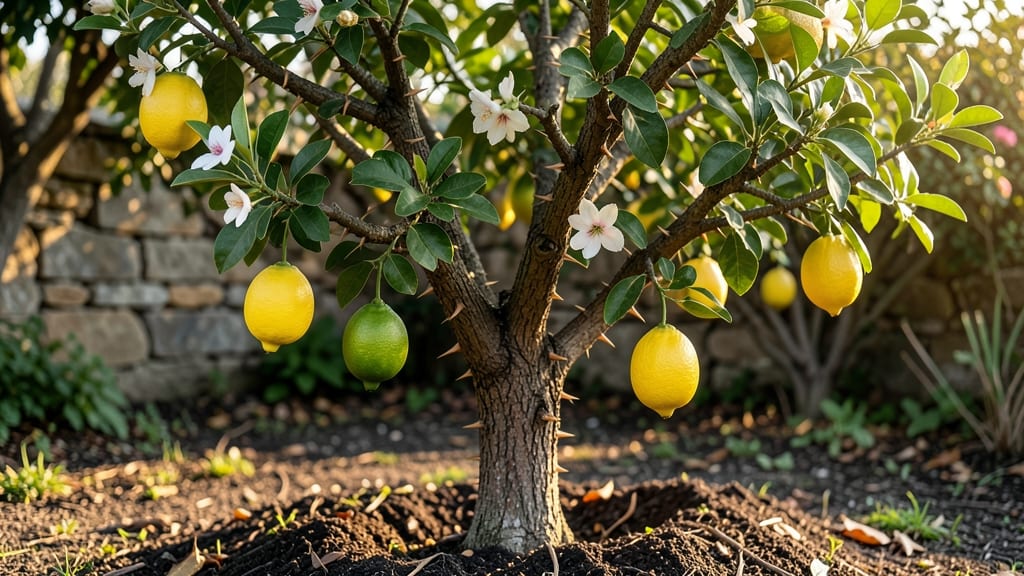
Lemon tree thorns aren’t poisonous, but they can still cause painful scrapes and skin irritation—especially when you’re pruning or harvesting fruit. I’ve learned the hard way that these sharp little spines pack a punch, leaving behind red marks that sting for hours.
The good news? With the right precautions, you can handle them safely without turning your citrus harvest into a prickly nightmare.
Most people worry about toxicity, but the real risk comes from the thorns themselves—deep scratches can introduce bacteria or trigger allergic reactions in sensitive skin. Kids and pets are especially vulnerable, so keeping them away from the tree’s reach is smart.
Wearing thick gardening gloves and long sleeves during pruning is my go-to strategy, and it’s worked flawlessly for years.
If thorns are becoming a nuisance, you can prune them away carefully (though they’ll grow back). Focus on removing branches near walkways or play areas first.
A sharp pair of pruners and a little patience go a long way—no need for drastic measures unless the tree is truly out of control.
The key is balance: enjoy your lemon tree’s beauty and bounty without letting the thorns ruin the experience. A little caution now means more time later savoring fresh lemons instead of treating scrapes. Simple steps make all the difference!
The Science Behind Thorn Pain
Lemon tree thorns—those sharp, needle-like projections—aren’t just a nuisance; they can deliver a painful (and sometimes poisonous) sting. Understanding why they cause irritation or allergic reactions helps you stay safe while pruning or handling these plants. Here’s a breakdown of the key factors at play.
Lemon trees (especially citrus varieties like Citrus limon) develop thorns as a built-in survival strategy. Thorns serve as a physical barrier against herbivores, pests, and even human interference. When you brush against them, the sharp tips puncture the skin, injecting a mix of:
- Cell sap: A mild irritant containing organic acids (like citric acid) that can cause localized redness or itching.
- Tannins: Astringent compounds that may dry out skin or trigger mild allergic responses in sensitive individuals.
- Resinous oils: Essential oils from the plant’s defense system, which can act as a natural pesticide but may also irritate broken skin.
Actionable tip: If you’re pruning, wear thick gloves (like leather or heavy-duty gardening gloves) to avoid direct contact with thorny branches.
For some people, lemon tree thorns trigger an immune response beyond simple puncture wounds. This happens because:
- Foreign protein exposure: The plant’s sap contains proteins that the body may recognize as "invaders," prompting histamine release (the same reaction as a bee sting or poison ivy).
- Cross-reactivity with citrus allergies: If you’re allergic to lemons or other citrus fruits, your skin may overreact to the oils and compounds in thorn punctures.
- Open wounds or eczema: Broken skin acts as a gateway for irritants, amplifying itching, swelling, or even blistering.
Signs of an allergic reaction:
- Red, raised welts at the puncture site
- Intense itching or burning
- Swelling that spreads beyond the thorn’s entry point
- In rare cases, hives or difficulty breathing (seek medical help immediately)
Pro tip: If you have a known citrus allergy, always wear protective clothing and consider antihistamines (like Benadryl) before handling thorny plants.
While lemon tree thorns themselves aren’t highly toxic, the wounds they create can become infected if not cleaned properly. Here’s why:
| Cause | How It Happens |
|---|---|
| Bacterial entry | Thorns introduce dirt, bacteria (like Staphylococcus), or fungi into the skin, especially if the thorn breaks off. |
| Delayed cleaning | Leaving sap or debris in the wound for hours increases infection risk (e.g., Pseudomonas, which causes greenish pus). |
| Scratching | Itching the wound reopens it, allowing more contaminants to enter. |
Prevention steps:
- Wash the area with soap and water immediately after exposure.
- Apply antiseptic (like hydrogen peroxide or rubbing alcohol) to disinfect.
- Avoid popping blisters—let them heal naturally to prevent spreading bacteria.
✨ Warning: If redness, pain, or pus appears 24+ hours after a thorn injury, see a doctor to avoid complications like cellulitis.
Understanding these causes empowers you to handle lemon trees safely—whether you’re pruning, harvesting, or simply enjoying their beauty. Next, we’ll cover how to remove thorns without injury and protect your skin effectively.
How to Fix Thorn-Related Skin Issues
Dealing with the sharp thorns of a lemon tree can turn a sunny gardening day into a prickly nightmare—especially if you’ve ended up with a painful or irritated skin reaction. The good news?
Most thorn-related skin issues are manageable with the right steps. Below, we’ve mapped out practical solutions based on the cause of your discomfort, from immediate first aid to long-term prevention.
If a thorn has broken your skin, act fast to prevent infection and irritation.
- 🔥 Rinse with clean water – Use lukewarm water to wash away dirt and sap. Avoid rubbing the area. - 🍳 Apply antiseptic – Use hydrogen peroxide (3%) or rubbing alcohol (70% isopropyl) to kill bacteria.
Let it sit for 30 seconds before rinsing again. - 👨🍳 Cover with a bandage – If the cut is deep or still bleeding, cover it with a sterile adhesive bandage or medical tape to keep it clean. - ⏰ Monitor for signs of infection – Redness, swelling, pus, or increased pain after 24 hours means you should see a doctor.
✨ Pro Tip: If the thorn is still embedded, do not dig it out with unsterilized tools—this can push debris deeper. Use a sterile tweezers or a thorn-removal tool (available at pharmacies) to extract it gently.
If you’re dealing with itchiness, redness, or a rash from sap exposure (not an open wound), these steps will help soothe your skin.
- 🌡️ Cool compress – Soak a clean cloth in cool water (not ice-cold) and press it against the affected area for 5–10 minutes to reduce inflammation. - 💡 Apply calamine lotion or hydrocortisone cream – Over-the-counter 1% hydrocortisone cream can relieve itching and redness.
For severe reactions, oral antihistamines (like Benadryl) may help. - 🥗 Avoid scratching – Scratching can worsen irritation and lead to infection.
If itching is unbearable, try applying a thin layer of baking soda paste (mix baking soda with water) for temporary relief. - 🎯 Switch to fragrance-free products – Some soaps or lotions can aggravate sensitive skin. Opt for unscented, hypoallergenic options until your skin heals.
💡 Pro Tip: If the rash spreads, blisters, or you develop hives or difficulty breathing, seek emergency medical attention—these could be signs of a severe allergic reaction.
The best way to avoid lemon tree thorn pain? Prevention. Here’s how to protect yourself before you even reach for your pruners.
| Cause | Solution | Prevention Tip |
|---|---|---|
| Thorn pricks while pruning | Wear thick gardening gloves (preferably leather or reinforced fabric). | Choose gloves with extended cuffs to cover your wrists and forearms. |
| Sap exposure | Apply petroleum jelly (Vaseline) to your hands before gardening. | Wash your hands immediately after handling the tree with mild soap and water. |
| Poor pruning technique | Use bypass pruners (not anvil pruners) to avoid crushing thorns. | Disinfect tools with rubbing alcohol before and after use to prevent sap buildup. |
| Children or pets near the tree | Install a low fence or barrier around the lemon tree. | Train pets to avoid the tree and supervise kids closely during gardening tasks. |
✨ Pro Tip: If you’re highly sensitive to lemon tree sap, consider wearing a long-sleeved shirt and pants when pruning. Some gardeners also swear by applying a thin layer of zinc oxide cream (like diaper rash cream) as a barrier before handling thorny branches.
While most lemon tree thorn issues are minor, some situations call for expert help:
- Deep punctures (especially near joints or eyes).
- Signs of infection (pus, fever, or worsening pain).
- Severe allergic reactions (swelling of the face, throat, or difficulty breathing).
- Persistent rashes that don’t improve after 3–5 days of home treatment.
If you’re unsure, consult a dermatologist or healthcare provider—it’s better to be safe than sorry!
Frequently asked questions
Are lemon tree thorns actually poisonous?
Lemon tree thorns aren't poisonous in the traditional sense, but they can cause skin irritation. When they puncture skin, they inject plant sap containing mild irritants like citric acid and tannins. These compounds may trigger redness, itching, or allergic reactions in sensitive individuals. The real risk comes from potential infections when thorns break off in wounds.
What should I do immediately after getting pricked by a thorn?
First, wash the area with soap and water to remove sap and dirt. Apply hydrogen peroxide (3%) or rubbing alcohol to disinfect. If the thorn is still embedded, use sterile tweezers to remove it carefully. Cover with a bandage if bleeding occurs. Never dig with unsterilized tools—this can push debris deeper into the skin.
How can I protect my skin when pruning lemon trees?
Wear thick gardening gloves with extended cuffs to cover wrists, and consider long sleeves. Apply a barrier like petroleum jelly or zinc oxide cream before handling thorny branches. Use bypass pruners instead of anvil pruners to minimize sap exposure. Always disinfect your tools with rubbing alcohol before and after use.
Are lemon tree thorns dangerous for pets or children?
Yes, they pose risks to curious pets and active children. Thorns can cause painful punctures or allergic reactions. Keep pets away from the tree and supervise kids during gardening tasks. Installing a low fence or barrier around the tree creates a safe zone. If your pet or child gets pricked, follow the same first aid steps as for adults but seek veterinary care if symptoms worsen.
Can I remove lemon tree thorns completely?
You can't eliminate thorns entirely, but you can reduce them through careful pruning. Focus on removing branches near walkways or play areas first. Use sharp pruners to make clean cuts just above a leaf node. Remember, thorns regrow, so regular maintenance is needed. Never prune during wet weather—this increases sap flow and infection risk.