
Container Gardens
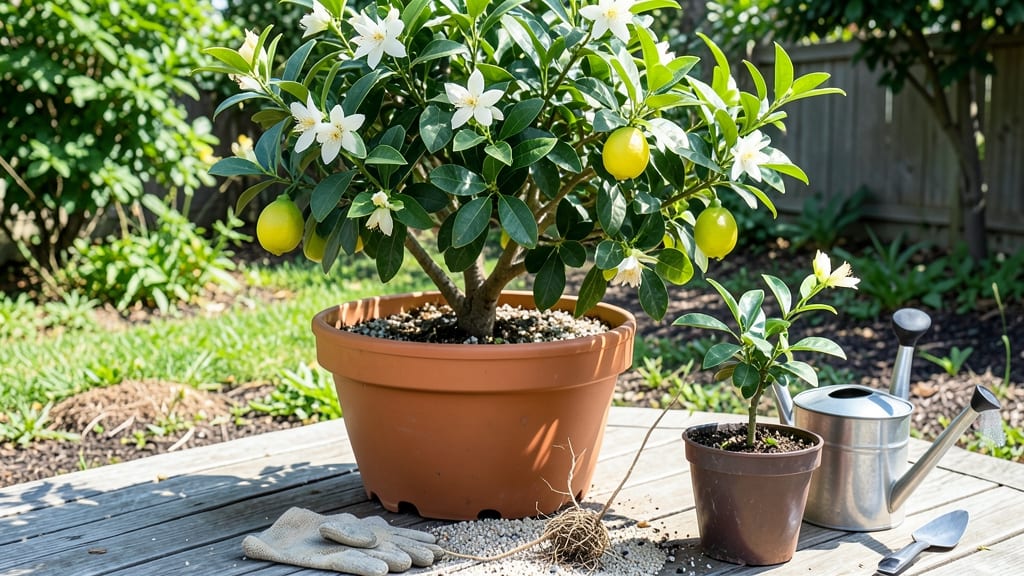
Planting a Meyer lemon tree in a container gives you fresh citrus year-round, even on a tiny balcony. 🌱 I’ve grown mine in pots for five years, and the secret isn’t just the right soil—it’s the perfect pot, drainage, and a little winter TLC that keeps mine producing fruit every spring.
You’ll need a 15- to 20-gallon container (bigger is better for long-term health), well-draining potting mix, and a sunny spot that gets 6+ hours of direct light daily. Most beginners overwater or use regular garden soil, which drowns roots—stick to a cactus/succulent mix with perlite for airflow.
By summer, your tree will reward you with glossy leaves and tiny blossoms. The first lemons appear in 2-3 years, but the fragrance alone makes it worth the wait. Prune lightly in late winter to encourage bushier growth and keep the shape manageable.
This method works for patios, decks, or even sunny windowsills—just adjust sunlight and watering as seasons change. Here’s how to set it up without the common pitfalls!
📚 In This Guide
- What you need
- Instructions
- Tips and common mistakes
- Wrapping up and next steps
What you need
- ● Container: A 5-gallon or larger pot (minimum 12" diameter) with drainage holes (fiberglass, ceramic, or high-quality plastic). Pro tip: 💡 Add a cache pot (outer pot with drainage) to protect roots in winter.
- ● Well-draining potting mix: 3 parts citrus-specific mix + 1 part perlite/pumice (or coco coir for moisture control). Avoid garden soil!
- ● Meyer lemon tree: A 1-2 year old bare-root or potted sapling (check local nurseries or online citrus specialists).
- ● Slow-release fertilizer: Citrus-specific granules (e.g., 6-6-6 NPK ratio) or organic options like fish emulsion.
- ● Gloves & pruning shears: Sterilized tools to handle roots and trim dead growth.
- ● Watering can or hose with gentle nozzle: Avoid overwatering—bottom watering is key!
- ○ Mulch (optional but helpful): 2-3 inches of straw or wood chips to retain moisture and regulate temperature.
- ● Self-watering system: A wicking bed or irrigation mat for consistent moisture.
- ● Support stake: A bamboo or metal stake (3-4 ft tall) to secure young trees.
- ● Citrus food supplements: Epsom salt (1 tbsp/month) for magnesium or seaweed extract for growth.
- ● Grow lights (indoor setups): Full-spectrum LED (12-14 hrs/day) if growing near a window.
- ● Thermometer/hygrometer: To monitor ideal temps (60-85°F) and humidity.
Step-by-step instructions for planting a Meyer lemon tree in a container
Here's the foolproof method I've used to grow thriving Meyer lemon trees in pots for over five years.
🪴 Step 1: Choose the Right Container and Drainage
Select a container that's at least 12 inches in diameter and 12 inches deep for your first year—Meyer lemon trees grow surprisingly fast, and cramped roots lead to stunted growth. I recommend using a pot with drainage holes, but if yours doesn't have them, drill 3-4 holes in the bottom. The key here is preventing waterlogged roots, which will rot within weeks.
For the first planting, I place a layer of 1-2 inches of small gravel or broken pottery at the bottom. This creates a drainage reservoir that prevents soil from clogging the holes while still allowing excess water to escape. If your pot has feet, make sure they're sturdy—these trees get heavy when laden with fruit. I also add a saucer underneath to catch any overflow and keep my patio clean.
🌱 Step 2: Prepare the Well-Draining Soil Mix
Meyer lemon trees hate soggy feet, so I blend 50% potting mix with 50% perlite or coarse sand to create a fast-draining yet moisture-retentive medium. You'll want about 3-4 gallons of this mix for a 12-inch pot. The perlite prevents compaction, which is crucial because container soil packs down quickly when watered.
Before adding the tree, I fill the pot about 1/3 full with this mix and moisten it until damp but not dripping. This pre-wetting step ensures the roots make immediate contact with moisture when you plant. I like to work the mix with my fingers to create small air pockets—roots need oxygen as much as water. Real talk: Skipping this step leads to root suffocation and poor growth within weeks.
☀️ Step 3: Plant Your Meyer Lemon Tree
Remove the tree from its nursery pot and gently loosen the roots if they're circling. For a 1-2 gallon nursery tree, dig a hole in your prepared mix that's just slightly wider than the root ball. Place the tree so the top of the root ball sits 1 inch below the pot's rim—this prevents soil from washing away during watering and gives you room to add more mix later as the tree grows.
Fill the hole with your soil mix, pressing gently around the edges to eliminate air pockets. I tap the pot lightly on the table to settle everything, then add a final layer of mix to reach the desired height. The first true leaves should sit about 4-5 inches below the pot's rim—this gives you visual confirmation the tree is planted at the right depth. Water thoroughly until it drains from the bottom holes, then let it sit for 10 minutes before adding any saucer water.
💧 Step 4: Position for Optimal Light and Temperature
Meyer lemon trees love full sun (6-8 hours daily), but they'll tolerate 4 hours of morning sun if afternoon light is limited. I place mine on a south-facing patio where they get direct sun until 2 PM in summer, then move them to partial shade. The reason? Intense afternoon sun can scorch tender new growth. You'll notice the leaves develop a slight yellowing if they're getting too much heat—this is your signal to adjust placement.
Keep the container in a spot where temperatures stay between 60-85°F year-round. Below 50°F, growth slows dramatically, and the tree becomes vulnerable to cold damage. If you're in a cooler climate, bring the pot indoors near a sunny window during winter. I've found that even a bright kitchen windowsill works well, as long as the tree gets 14-16 hours of light daily—supplement with a grow light if natural light is insufficient.
✂️ Step 5: Establish a Watering and Fertilizing Routine
Water your Meyer lemon tree when the top 1-2 inches of soil feel dry to the touch. I check this by sticking my finger in the soil—if it's dry at that depth, it's time to water. During the first year, I water deeply until it drains from the bottom, then empty the saucer after 10 minutes to prevent root rot. Overwatering is the #1 killer of container-grown citrus, so I always err on the side of underwatering rather than drowning the roots.
Feed your tree every 4-6 weeks during spring and summer with a balanced citrus fertilizer (I use a 6-6-6 formula). The key is consistency—too much fertilizer burns roots, but too little leads to pale, weak growth. I also add a handful of egg shells or crushed oyster shell to the soil annually for calcium, which prevents the bitter fruit disorder that plagues many container-grown citrus trees. You'll know your tree is happy when it produces bright green, glossy leaves and occasional white blossoms within the first year.
Tips & tricks for planting a thriving Meyer lemon tree in containers
Here's what I've learned after years of growing container citrus—these small details make all the difference between a struggling plant and a fruit-bearing beauty.
Container Size Matters: That 12-inch pot recommendation isn't just a starting point—it's non-negotiable for the first year. I've seen trees in smaller pots develop gnarled roots that circle the container, which severely limits growth. If you're tempted to use a smaller pot to save space, remember: Meyer lemon trees grow about 12-15 inches per year. You'll need to repot within months, and root-bound trees take longer to recover. The 12-inch diameter gives roots room to establish without becoming root-bound too quickly.
Drainage is Non-Negotiable: I can't stress this enough—waterlogged roots are the silent killer of container-grown citrus. If your pot doesn't have drainage holes, drill them yourself. For extra insurance, I add a layer of 3/4-inch diameter broken pottery shards instead of smooth gravel. The rough edges create better air pockets that prevent soil compaction at the drainage layer. And always empty that saucer after 10 minutes—sitting water creates the perfect conditions for root rot.
Soil Mix Secrets: The 50/50 potting mix and perlite/sand blend is your foundation, but here's the pro move: Add 1/4 cup of worm castings to that 3-4 gallons of mix. The castings provide gentle, slow-release nutrients that help the tree establish faster. I also recommend using a citrus-specific potting mix as your base—it's formulated to prevent the pH issues that can stunt growth. The key is that mix should feel like a damp sponge, not a wet sponge.
Light Positioning Hacks: That 6-8 hours of sun is ideal, but here's how to maximize it: Place your container on a rolling plant stand if possible. This lets you rotate the tree weekly so all sides get even light exposure. You'll notice one side growing toward the sun while others lag—rotation prevents lopsided growth. Also, watch for leaf scorch (brown edges) as your early warning sign of too much afternoon sun. If you see this, move the tree to partial shade for a few days while it recovers.
Pro Tips for Plant Meyer Lemon Tree In Container
- Here's what I've learned after years of growing container citrus—these small details make all the difference between a struggling plant and a fruit-bearing beauty.
- Container Size Matters: That 12-inch pot recommendation isn't just a starting point—it's non-negotiable for the first year.
- Drainage is Non-Negotiable: I can't stress this enough—waterlogged roots are the silent killer of container-grown citrus.
Frequently asked questions
Got questions?
Here are answers to the most common concerns about growing a Meyer lemon tree in a container—so you can enjoy sweet, homegrown citrus without the guesswork!
What’s the best time of year to plant a Meyer lemon tree in a container?
Plant your Meyer lemon tree in early spring or late summer when temperatures are mild (60–80°F). Avoid extreme heat or frost, as young trees are sensitive. If planting in fall, do it at least 6–8 weeks before the first frost to give roots time to establish.
How often should I water my container-grown Meyer lemon tree?
Water deeply 2–3 times per week in warm months, ensuring the top 1–2 inches of soil are dry before watering again. In cooler months, reduce to once a week. Overwatering is worse than underwatering—check drainage holes to avoid soggy roots!
Can I grow a Meyer lemon tree indoors year-round, or does it need outdoor sunlight?
Meyer lemon trees thrive outdoors in full sun (6+ hours daily), but they can grow indoors near a south-facing window with supplemental grow lights (12–14 hours/day). If indoors, expect smaller fruit and slower growth compared to outdoor exposure. Rotate the pot monthly for even light distribution.
Why aren’t my Meyer lemon tree leaves turning yellow, and how do I fix it?
Yellow leaves often signal overwatering, nutrient deficiency, or poor drainage. First, check the soil—it should be slightly moist but not soggy. If roots are waterlogged, repot with fresh, well-draining soil. Yellowing can also mean lack of iron or nitrogen; use a citrus-specific fertilizer every 4–6 weeks.
What container size is ideal for a Meyer lemon tree, and when should I upgrade?
Start with a 5-gallon container for young trees, then upgrade to 15–25 gallons as the tree matures (typically after 2–3 years). A 12-inch diameter pot per year of tree age is a good rule of thumb. Ensure containers have drainage holes and are made of terracotta or fabric to prevent root rot.
How do I protect my container Meyer lemon tree from pests like aphids or spider mites?
Inspect leaves weekly for pests, especially on the undersides. Treat aphids or mites with neem oil or insecticidal soap (mix 1 tsp neem oil with 1 quart water + a drop of dish soap). For prevention, prune crowded branches and keep the area around the pot clean.
Still stumped? Drop your question in the comments—we’re happy to help your Meyer lemon tree thrive!
Wrapping up and next steps
Growing a Meyer lemon tree in a container is a rewarding way to enjoy fresh, fragrant citrus—even in limited spaces!
With the right pot, soil, sunlight, and care, your tree can thrive and even produce sweet, juicy lemons. Start small, stay consistent, and soon you’ll be harvesting homegrown lemons for years to come.
Ready to take the next step? Pick your container, gather your supplies, and get planting! 🌱🍋