
Plants
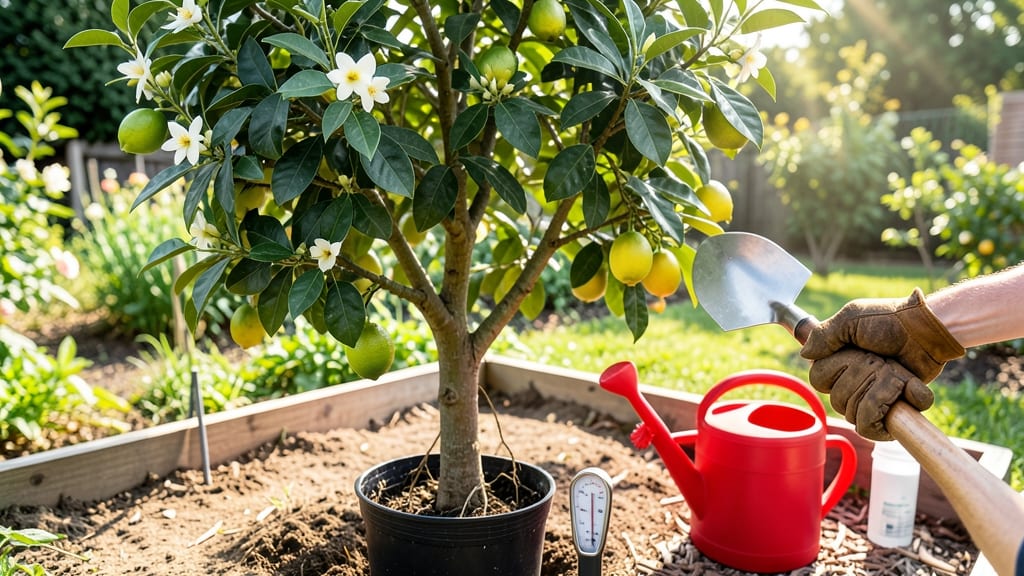
Planting a lemon tree in Louisiana at the right time ensures it thrives in the humid subtropical climate 🍋—and skips the heartbreak of stunted growth or frost damage.
Miss the window, and you’re stuck with a tree that struggles to fruit or even survives. Louisiana’s frost-free season runs from mid-February to December, but the best months to plant—when temperatures are mild and soil is workable—are March-April or September-November.
Why does timing matter so much? Because citrus trees hate cold snaps, and Louisiana’s 8a-9b zones can still dip into the 30s°F in early spring or late fall. Plant too early, and your tree could get shocked; too late, and summer heat stresses young roots.
In this guide, I’ll walk you through the exact planting schedule for your region—whether you’re in New Orleans, Shreveport, or the coastal areas—plus soil prep, variety choices, and the first-year care that keeps your lemon tree alive and productive.
Best months to plant lemon trees in Louisiana: climate-specific guide
Louisiana’s humid subtropical climate creates ideal conditions for growing lemon trees, but the timing of your planting can make or break success. Unlike cooler climates, Louisiana’s long growing season and mild winters allow for two perfect planting windows—spring and fall.
Planting outside these windows risks frost damage or heat stress, both of which can stunt young trees.
For container-grown lemon trees, you have slightly more flexibility, but even these benefit from cooler temperatures. The key is avoiding extreme heat (above 90°F) or late frosts, which can occur as late as March in northern Louisiana.
Let’s break down the best times to plant based on your specific region—whether you’re in New Orleans’ coastal warmth or Shreveport’s inland climate.
📅 Summary Table: Best Planting Months for Lemon Trees in Louisiana
If you’re in southern Louisiana, like New Orleans or Lafayette, you can push planting to early February because the coastal microclimate warms faster and frosts are rare.
However, northern Louisiana, including Shreveport and Monroe, should wait until late March to avoid unexpected 28°F (–2°C) frosts that can kill young trees. Always check your local USDA Zone 8a-9b frost dates for precision.
For container planting, the rules are slightly relaxed. You can plant potted lemon trees in May or June as long as you provide afternoon shade and consistent watering.
Containers heat up faster, so monitor soil moisture closely. In-ground planting, however, should always align with the spring or fall windows for best survival rates.
One critical factor often overlooked is soil drainage. Louisiana’s clay-heavy soils in many areas can suffocate roots, leading to root rot. Amend your soil with sand or peat moss to improve drainage, especially if planting in low-lying areas prone to waterlogging.
Raised beds are another excellent option for poor-draining soils.
If you’re planting in urban areas, like Baton Rouge or Lafayette, consider dwarf or semi-dwarf varieties (like ‘Meyer’ lemon trees). These adapt better to limited space and heat islands created by pavement.
They also fruit faster—often within 2–3 years—compared to standard varieties, which can take 5+ years.
After planting, focus on mulching to retain moisture and regulate soil temperature. Use 2–3 inches of organic mulch (like pine straw or shredded bark) and keep it 6 inches away from the trunk to prevent rot.
Water deeply 2–3 times per week for the first month, then taper to once a week once established, unless you’re in peak summer heat.
Finally, remember that grafted lemon trees (common in nurseries) establish roots more slowly than bare-root seedlings. If you opt for a grafted tree, plant it 1–2 inches deeper than its container to encourage root growth into cooler, moister soil.
This extra depth helps protect the graft union from heat stress during Louisiana’s sweltering summers.
With the right timing and care, your lemon tree will thrive in Louisiana’s climate, rewarding you with homegrown lemons in as little as 2–3 years. Start your planting in February–March or October–November, and you’ll set your tree up for a lifetime of citrus success. 🌱🍋✂️
How Louisiana’s weather affects lemon tree survival: key risks to avoid
Louisiana’s humid subtropical climate creates a paradise for lemon trees—but it also brings unique challenges. The high humidity and unpredictable weather can stress your citrus if you’re not prepared.
Late frosts, hurricanes, and even soil saturation from heavy rains threaten young trees, while intense summer heat can scorch leaves if watering isn’t managed properly.
Unlike drier climates, Louisiana’s high moisture levels encourage fungal diseases like citrus greening and root rot. The coastal regions face additional risks from hurricane-force winds and salt spray, which can damage foliage and stunt growth.
Even inland areas experience flash flooding during storm seasons, making proper drainage a must.
Coastal Areas (Zone 9a): Hurricane winds + salt spray = lethal combo for young trees. Use windbreaks and elevated containers.
North Louisiana (Zone 8a): Late frosts (28°F) can kill citrus. Plant dwarf varieties in protected microclimates near buildings.
All Regions: Soil saturation from heavy rains causes root rot. Amend soil with sand/peat mix for drainage.
To protect your lemon tree, start with well-draining soil—mix sand or perlite into native clay to prevent waterlogging. A 3-4 inch mulch layer around the base retains moisture while reducing fungal risks.
For coastal gardeners, elevated planters or windbreaks made of bamboo or lattice shield trees from hurricane damage.
Choose dwarf or semi-dwarf varieties like 'Meyer lemon' or 'Improved Meyer', which handle Louisiana’s unpredictable weather better than standard-sized trees. These stay 6-10 feet tall, making them easier to protect during storms and harvest lemons safely.
If planting in high-risk zones, consider container growing for mobility during severe weather.
Monitor local weather alerts during hurricane season (June-November). If a storm is forecasted, prune weak branches and secure the tree with stakes.
After storms, inspect for pests like aphids or mold and treat with neem oil if needed. Winterize trees in Zone 8a with burlap wraps to shield them from late frosts.
With these precautions, your lemon tree can thrive in Louisiana’s climate. Proactive care—like mulching, wind protection, and drainage solutions—turns risks into opportunities for a bountiful harvest. 🌱🍋