
How To
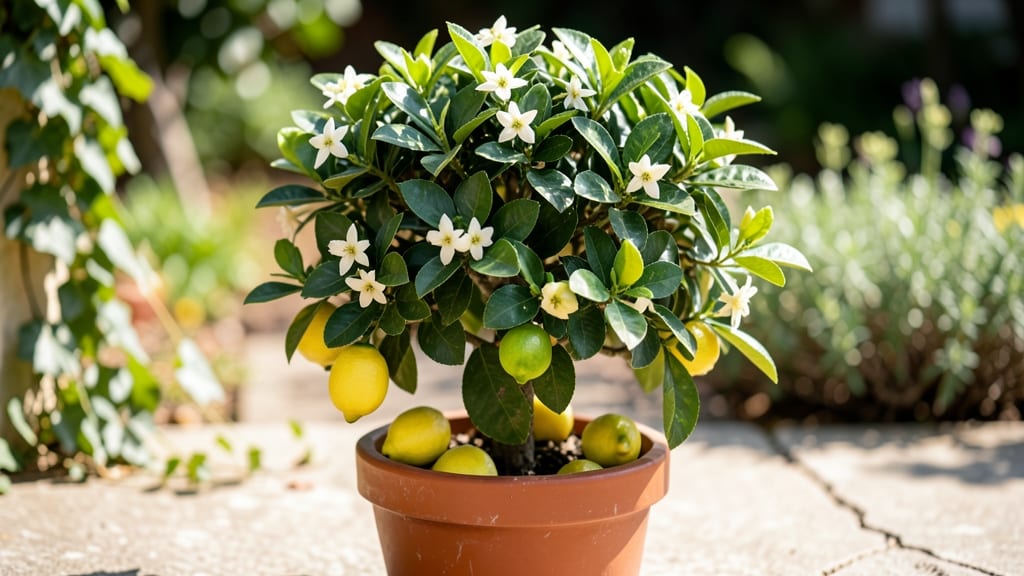
A dwarf lemon tree grows between 6 and 8 feet at maturity—tall enough to top your kitchen counter but compact enough to fit most patios or balconies. 🍋
Dreaming of fresh lemons but short on space? Dwarf varieties pack all the citrus charm without the sprawling footprint of their full-sized cousins.
Whether you're growing in a container or a sunny corner of your yard, knowing the right height expectations helps you plan for pruning, container size, and even where to place your tree for maximum sunlight.
Not all dwarf lemon trees are created equal—some stay closer to 5 feet with proper care, while others can stretch toward 8 feet if left unchecked.
Varieties like the Meyer lemon tend to stay on the smaller side, making them ideal for indoor growers, while others may need occasional trimming to maintain their compact shape.
In this guide, I’ll break down the height ranges for popular dwarf varieties, share pruning tips to keep your tree at your ideal size, and reveal the biggest mistakes that make even dwarf trees grow taller than expected. Ready to grow your own lemon tree without sacrificing space?


Dwarf lemon tree height guide by variety: compact options explained
If you're dreaming of a lemon tree that fits your patio or kitchen but don't want a towering giant, dwarf varieties are your best bet. These citrus trees stay manageable while still producing juicy lemons—but their mature heights vary.
Let's break down the most popular dwarf lemon varieties and what to expect from each in terms of height.
Choosing the right variety isn't just about height—it's also about fruit flavor, growth speed, and how well they adapt to your climate zone. Some stay under 5 feet while others reach closer to 8 feet, making container gardening or small-space growing feasible for most gardeners.
Below, I’ve compared the four most popular dwarf lemon varieties so you can pick the perfect fit for your space and goals. Whether you're growing indoors near a south-facing window or outdoors in a well-draining container, knowing these height expectations will help you plan ahead.
🍋
| Variety | Mature Height (ft) | Growth Rate | Best For | Fruit Notes |
|---|---|---|---|---|
| Meyer Lemon | 6-8 ft | Moderate (1-2 ft/year) | Containers, patios, small yards | Sweet-tart, early bearing, cold-hardy |
| Improved Meyer Lemon | 5-7 ft | Moderate (1 ft/year) | Indoor growing, urban spaces | Sweeter, disease-resistant, reliable |
| Eureka Dwarf Lemon | 6-8 ft | Slow (6-12 in/year) | Outdoor gardens, warm climates | Classic lemon flavor, late bearing |
| Lisbon Dwarf Lemon | 4-6 ft | Slow (6 in/year) | Containers, small spaces, indoors | Classic lemon taste, compact growth |
The Meyer Lemon and Eureka Dwarf varieties are the most popular choices for gardeners who want a balance between fruit production and manageable size. Both can reach 6-8 feet at maturity, but with proper pruning and container training, you can keep them even smaller.
If you're working with limited space—like a balcony garden or sunroom—the Improved Meyer Lemon or Lisbon Dwarf Lemon are your best bets. These varieties typically stay under 6 feet, making them ideal for 5-gallon containers or hanging baskets with proper care.
One key factor that influences height is growing conditions. A dwarf lemon tree grown in a large container with well-draining soil and full sun exposure will stay smaller than one planted in the ground.
Additionally, regular pruning can help maintain your desired height and encourage a bushier, more productive shape.
For example, if you prune your Meyer Lemon back by one-third each spring, you can keep it around 4-5 feet tall while still enjoying a bountiful harvest. The same pruning techniques apply to other varieties, though the Lisbon Dwarf naturally stays shorter and may require less aggressive pruning.
Another consideration is root restriction. When growing in containers, the root ball will naturally stay smaller, which can limit the tree's height. However, if you move a dwarf lemon tree from a container to the ground, it may grow taller over time as its roots expand.
Always choose a container with drainage holes and a size that’s 1-2 inches larger than the tree’s root ball.
🌱
If you're growing your dwarf lemon tree indoors, position it near a south-facing window to maximize sunlight. Without enough light, these trees can become leggy and grow taller as they stretch toward the sun.
Supplement with a grow light if natural light is insufficient, especially during winter months when daylight is shorter.
Finally, remember that height isn’t the only factor to consider when choosing a dwarf lemon variety. Think about fruit flavor, cold hardiness, and how quickly you want to see results.
While the Meyer Lemon is cold-hardy and bears fruit early, the Lisbon Dwarf offers a classic lemon taste with slower growth—perfect if you prefer a low-maintenance option.
How to maximize growth control: pruning & container tips for smaller trees
Keeping your dwarf lemon tree at its ideal height requires a mix of strategic pruning and smart container selection. Even compact varieties like Meyer lemons can grow taller than expected if left unchecked.
The key is understanding when and how to trim, plus choosing the right pot size to limit root expansion. With these techniques, you can maintain a tree that stays between 4-6 feet tall—perfect for patios, balconies, or even sunny windowsills.
Start by selecting a container with drainage holes that’s just 12-18 inches wide for a dwarf tree. Larger pots encourage faster growth, while smaller containers naturally restrict height. Pair this with a well-draining citrus mix to prevent root-bound stress, which can trigger vertical growth spurts.
Regular root pruning during repotting (every 2-3 years) also helps keep your tree in check by trimming circling roots that compete for space.
-
Step 1: Choose the Right Container
Select a pot 12-18 inches wide with drainage holes. Avoid oversized containers that encourage rapid growth. -
Step 2: Prune in Late Winter
Trim 1/3 of new growth after dormancy (February-March) to shape the tree and encourage bushier growth. -
Step 3: Remove Suckers & Water Sprouts
Cut out suckers at the base and vertical water sprouts to redirect energy to fruit production. -
Step 4: Root Prune Every 2-3 Years
When repotting, trim 1/4 of the root ball to prevent root-bound stress and excessive height. -
Step 5: Thin Out Dense Branches
Remove crossing or inward-growing branches to improve airflow and maintain a balanced shape. -
Step 6: Fertilize Lightly in Spring
Use a balanced 6-6-6 fertilizer sparingly to avoid excessive leafy growth that can make the tree top-heavy.
For indoor cultivation, place your dwarf lemon tree near a south-facing window where it gets 6-8 hours of sunlight daily. Lack of light triggers etiolation—where the tree stretches upward in search of light—so supplement with a grow light if needed.
Rotate the pot quarter-turns weekly to ensure even growth and prevent lopsided height. Outdoor trees benefit from partial shade in summer to avoid heat stress, which can also cause erratic growth patterns.
Monitor your tree’s growth closely, especially in spring and early summer, when new shoots emerge. If you notice vertical growth exceeding 12 inches in a season, it’s time to prune again.
Focus on cutting back the longest branches first, as these are often the culprits behind sudden height spikes. Remember, less aggressive pruning yields better fruit production, so aim for moderate trimming rather than drastic cuts.
With consistent care, your dwarf lemon tree will stay within your desired height range while still producing abundant fruit. The secret lies in balancing pruning discipline, container constraints, and light management.
Soon, you’ll have a perfectly sized tree that’s as productive as it is picturesque—ideal for small spaces and big harvests! 🌿✂️🪴