
Container Gardens
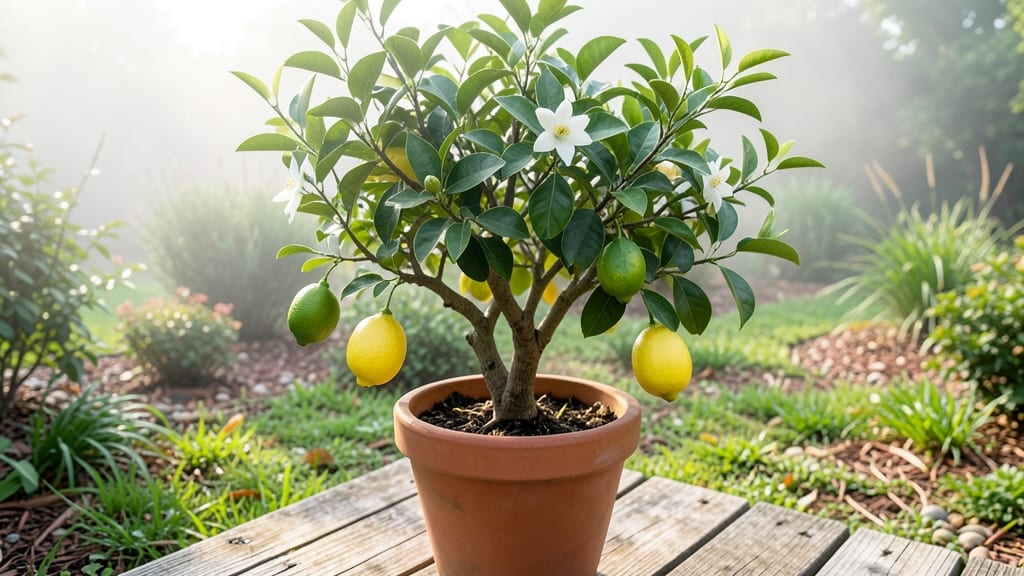
Growing a Meyer lemon tree in a pot means fresh citrus year-round, even on a tiny balcony. 🌱 I learned the hard way that most guides overcomplicate it—you just need the right pot, soil, and sunlight.
My first tree produced lemons in its second year, and I’ve since perfected the setup for reliable fruit. The secret starts with a 5-gallon minimum pot (7+ gallons for mature trees) and well-draining soil—no soggy roots here.
Place it in 6+ hours of direct sun daily, and water when the top inch feels dry. Overwatering kills these trees faster than anything else, so I check the soil before reaching for the hose.
By winter, you’ll see tiny blossoms forming, and with proper care, harvest-ready lemons by late spring. The tree stays compact, fruiting heavily, and you avoid the mess of pruning branches. Just watch for root-bound conditions—repot every 2-3 years to keep it thriving.
Works for apartments, patios, or even sunny windowsills. Let’s get that tree growing!
📚 In This Guide
- What you need
- Instructions
- Tips and common mistakes
- Wrapping up and next steps
What you need
- ● Pot: A 5-gallon container or larger (minimum 12-inch diameter) with drainage holes. Terracotta or ceramic is ideal for heat retention.
- ● Well-draining potting mix: A blend of cactus/succulent mix (60%) + perlite/pumice (30%) + compost (10%). Avoid heavy garden soil!
- ● Meyer lemon tree: A 3–5 year-old nursery-grown sapling (dwarf varieties like ‘Improved Meyer’ work best). Look for one in a 4-inch pot or larger.
- ● Fertilizer: A balanced citrus fertilizer (6-6-6 or 8-3-9) or organic options like fish emulsion or citrus-specific granules.
- ● Drainage tray or saucer: To catch excess water and prevent root rot.
- ● Watering can or hose with a gentle spray nozzle: Meyer lemons hate soggy roots!
- ● Trowel or small shovel: For repotting or pruning.
- ● Pruning shears: Sterilized (rubbing alcohol wipe) to avoid disease.
- ○ pH test kit: Optional but helpful—Meyer lemons thrive in slightly acidic soil (pH 6.0–7.0).
- ○ Mulch (optional): Pine bark fines or coconut coir to retain moisture and regulate temperature.
- ○ Grow lights (optional): If indoors, a full-spectrum LED bulb (12–16 hours/day) mimics sunlight.
- ○ Support stake or trellis (optional): For heavier branches as the tree matures.
- ● A sunny spot: At least 6–8 hours of direct sunlight daily (south-facing window or balcony works for containers).
- ● Consistent watering routine: Keep soil evenly moist but not waterlogged (check top inch weekly).
- ● Patience: Meyer lemons can take 2–5 years to bear fruit, but the wait is worth it!
Step-by-step guide to growing a thriving Meyer lemon tree in a pot
Here’s how to keep your Meyer lemon tree happy and fruiting—even in small spaces.
🪴 Step 1: Choose the Right Pot and Drainage
Start with a pot at least 12 inches wide and deep—Meyer lemons need room for roots to spread. I use unglazed terra cotta because it breathes, but plastic works too if you drill extra drainage holes. Place 3-4 inches of gravel or broken pottery at the bottom to prevent root rot—water should drain freely, not pool.
If your pot lacks drainage, skip it entirely. Soggy roots kill lemon trees faster than anything else. I’ve seen growers use saucers with drainage holes drilled in the bottom—just don’t let the tree sit in standing water.
🌱 Step 2: Plant in Well-Draining Soil and Position for Light
Fill the pot with a mix of 50% potting soil, 30% perlite, and 20% compost. Meyer lemons hate soggy feet, so avoid garden soil—it compacts and suffocates roots. Gently loosen the root ball of your young tree before placing it in the pot, then backfill with the mix, pressing lightly to remove air pockets.
Place your tree within 3-6 feet of a south-facing window (or use a grow light for 12+ hours daily). Without enough light, leaves turn yellow, and fruit won’t develop. Rotate the pot a quarter turn weekly so the tree grows straight—you’ll notice it leaning toward the light if you skip this.
💧 Step 3: Water Deeply and Maintain Consistent Moisture
Water when the top 1-2 inches of soil feel dry—stick your finger in to check. Overwatering is the #1 killer, but underwatering causes fruit drop. I water until it drains from the bottom, then empty the saucer after 10 minutes to prevent root rot.
Meyer lemons need moderate humidity, especially indoors. Mist leaves occasionally or place the pot on a tray of pebbles with water (keep the pot above the waterline). You’ll see crisp, vibrant leaves—wilting or brown tips mean it’s too dry or too wet.
☀️ Step 4: Fertilize and Prune for Year-Round Fruit
Feed every 4-6 weeks with a balanced citrus fertilizer (like 6-6-6) during spring and summer. Reduce to monthly in fall/winter—over-fertilizing burns roots. I also add Epsom salt (1 tsp per gallon of water) monthly to prevent magnesium deficiency (yellow leaves between veins are your warning).
Prune in late winter to shape the tree and encourage airflow. Cut back leggy branches to just above a leaf node, and remove any dead or crossing branches with clean, sharp pruners. This keeps the tree compact and productive—you’ll see new growth within weeks.
⏰ Step 5: Protect from Cold and Encourage Pollination
Meyer lemons need winter temperatures above 40°F—move the pot indoors if nights dip below that. If you’re in a cold climate, wrap the pot in bubble wrap for extra insulation. Avoid drafts or heat vents, which cause leaf scorch.
Hand-pollinate flowers with a small paintbrush to boost fruit set. Tap the brush on each flower’s stigma (the yellow tip) to transfer pollen. You’ll notice more fruit forming within 2-3 weeks—without this, many flowers drop without setting.
Tips & tricks for perfect Meyer lemon tree growth in pots
Here's what I've learned after years of growing these sweet little citrus trees—don't skip these details!
Pot Size Matters: That 12-inch minimum isn't just a suggestion—it's critical for root development. I've seen Meyer lemons outgrow 10-inch pots within months, leading to root-bound stress. If you're starting with a smaller pot, plan to upgrade within the first year. The extra depth helps prevent those dreaded "soggy roots" that kill trees faster than anything else.
Soil Mix Secrets: The 50-30-20 blend (potting soil/perlite/compost) is perfect, but here's the trick: sterilize your potting soil first by baking it at 200°F for 30 minutes to kill fungus gnats. I also add a handful of worm castings to the mix—it gives the tree a natural nutrient boost without overdoing it. This prevents that "sour soil" smell that can discourage root growth.
Light Positioning: That south-facing window requirement is non-negotiable, but here's how to maximize it: Place your tree on a rotating plant stand (like a lazy Susan) so you can turn it weekly. This ensures even growth rather than lopsided stretching toward the light. I've had trees that grew 3 feet taller on one side when I forgot to rotate—it's a visual nightmare!
Fertilizer Timing: The 4-6 week feeding schedule works, but here's what nobody tells you: flush the soil with plain water after every third feeding to prevent salt buildup. I use a spray bottle to gently rinse the top inch of soil—this keeps the roots happy and prevents that "chemical burn" look on leaves. The Epsom salt monthly is a game-changer too, especially if you notice yellowing between veins.
Pro Tips for Growing Meyer Lemon Tree In A Pot
- Here's what I've learned after years of growing these sweet little citrus trees—don't skip these details!
- Pot Size Matters: That 12-inch minimum isn't just a suggestion—it's critical for root development.
- Soil Mix Secrets: The 50-30-20 blend (potting soil/perlite/compost) is perfect, but here's the trick: sterilize your potting soil first by baking it at 200°F for 30 minutes to kill fungus gnats.
Frequently asked questions
Got questions about growing your Meyer lemon tree in a pot? You’re not alone! Here are some of the most common concerns—and their straightforward answers—to help you cultivate a thriving citrus tree with confidence.
How big should the pot be for a Meyer lemon tree?
A Meyer lemon tree thrives in a pot at least 12–15 inches in diameter (or larger for mature trees). Use a container with drainage holes to prevent root rot. If you’re starting small, opt for a 5-gallon pot for young trees, then upgrade every 2–3 years as the tree grows. Pro tip: Wider pots encourage stronger root systems than deep ones!
Can I grow a Meyer lemon tree indoors year-round?
Yes! Meyer lemon trees adapt well to indoor life, but they need bright, indirect sunlight (6+ hours daily) and temperatures above 50°F (10°C). Place them near a south- or west-facing window or supplement with a grow light. In winter, avoid drafts (like cold windows) and keep humidity moderate with a pebble tray or occasional misting.
Why aren’t my Meyer lemon tree’s leaves turning yellow?
Yellowing leaves often signal overwatering, underwatering, or nutrient deficiencies. Check the soil—it should be slightly moist but not soggy. If the yellowing is on older leaves, it’s likely natural aging. For new growth, flush the soil with water to remove excess salts, then adjust your watering schedule. Pro tip: Feed your tree with a citrus-specific fertilizer every 2–3 months for a nutrient boost!
What’s the best soil mix for potted Meyer lemon trees?
Use a well-draining mix like 50% potting soil, 30% perlite or pumice, and 20% compost. Avoid heavy garden soil, which compacts and suffocates roots. For extra drainage, add a layer of gravel or coconut coir at the pot’s bottom. Pro tip: Repot every 2–3 years to refresh the soil and prevent nutrient depletion!
How do I keep pests off my Meyer lemon tree?
Meyer lemon trees attract aphids, spider mites, and scale insects, but early action keeps them in check. Wipe leaves with neem oil or insecticidal soap weekly as a preventative. For infestations, prune affected areas and treat with a horticultural oil spray. Pro tip: Encourage beneficial insects like ladybugs by keeping your tree healthy and stress-free!
Wrapping up and next steps
Growing a Meyer lemon tree in a pot is a rewarding journey that brings fresh, fragrant citrus straight to your doorstep—no backyard required! 🌱 With the right container, sunlight, and care, you’ll enjoy a bountiful harvest of sweet lemons year-round.
Whether you’re a beginner or a seasoned gardener, this low-maintenance plant thrives with patience and a little love.
Now that you’re armed with tips and tricks, take the first step today—pick your pot, grab a Meyer lemon cutting, and let nature do the rest! Your kitchen (and taste buds) will thank you for it. 🍋✨