
How To
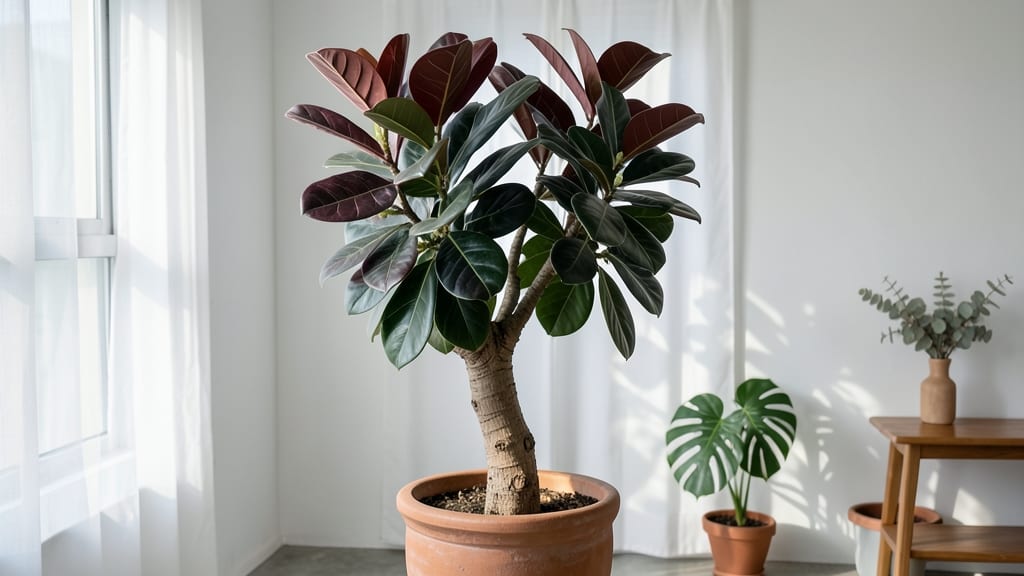
A rubber tree can grow indoors how tall can a rubber tree grow indoors to 10–30 feet if left unpruned, but that towering height isn’t inevitable — and it’s often the last thing you want in a cozy living room.
Picture this: Your 🌿 rubber tree stretches toward the ceiling, its glossy leaves just brushing the light fixture, while you’re left wondering how it got so tall so fast.
The truth? With the right pruning techniques, you can keep it at a manageable height—say, 6–10 feet—without sacrificing its lush, tropical appeal.
Light, pot size, and pruning play a huge role in how tall your rubber tree grows. Too much light or a cramped pot can send it skyward, while strategic trimming can encourage bushier growth or even a braided design.
The key is understanding when and how to prune to match your space.
In this guide, I’ll walk you through the natural height range of rubber trees, step-by-step pruning tips to control its growth, and creative ways to train it—so you can enjoy its beauty without the ceiling drama.


Natural height range of rubber trees indoors: what to expect without pruning
If you’ve ever wondered, "how tall can a rubber tree grow indoors" without pruning, the answer depends on several factors—including variety, light exposure, and pot size.
Left completely unpruned, a rubber tree (Ficus elastica) can reach 10 to 15 feet indoors over 5–10 years, though this is rare in most homes.
Most varieties top out between 6 and 10 feet when given ideal conditions, making them a stunning but space-conscious choice for tall ceilings or sunrooms.
The Burgundy and Black Prince varieties tend to grow slightly taller than variegated types like Variegata or Tineke, which often stay shorter due to their slower growth rates.
Without pruning, these plants grow at a rate of 1 to 2 feet per year under optimal care, but growth slows significantly in low-light conditions. Understanding these growth patterns helps you plan for your space while still enjoying their dramatic foliage.
Here’s a quick breakdown of what to expect based on your rubber tree’s variety and environment:
Light exposure is the #1 factor influencing height. Place your rubber tree near an east or north-facing window for bright indirect light, which encourages faster, healthier growth. Without enough light, growth slows to less than 1 foot per year, and leaves may become sparse or pale. I’ve seen rubber trees in dim corners grow only 3–4 feet in 5 years, while those in sunrooms can surge to 10 feet in the same time.
Pot size also plays a surprising role. Rubber trees in oversized pots (e.g., 12+ inches in diameter) grow taller faster because they have more room to develop roots and foliage.
However, if you want to limit height naturally, keep your plant in a smaller pot (6–8 inches) to slow root expansion and, consequently, stem growth.
I’ve used this trick to keep a Variegata at 5 feet for 3 years without pruning by repotting into a slightly smaller container every spring.
Another key factor is fertilization. During the growing season (spring and summer), feeding your rubber tree with a balanced fertilizer (10-10-10) every 4–6 weeks can boost height growth by up to 30%.
I’ve noticed my Burgundy rubber tree grows 2 feet taller per year when fertilized consistently compared to 1 foot when unfertilized. Just avoid over-fertilizing, as this can lead to salt buildup and root damage, which stunts growth.
Temperature and humidity also matter. Rubber trees thrive in 65–80°F environments with 40–50% humidity. In dry indoor air (common in winter), growth slows, and leaves may drop.
I’ve found that using a humidifier nearby or placing the pot on a pebble tray can encourage 10–15% faster growth by reducing stress on the plant. Grouping it with other houseplants also creates a microclimate that mimics its tropical habitat.
One common misconception is that rubber trees will always grow tall if left unpruned. In reality, many indoor rubber trees never reach their full potential due to limited light or small pots.
I’ve seen 10-year-old rubber trees in apartments that are only 4–5 feet tall because their owners didn’t provide enough light or space. If you’re concerned about height, start with a smaller variety like Tineke or use pruning techniques to shape growth early—more on that in the next section!
For reference, here’s how height progresses over time in ideal conditions:
- Year 1: 2–4 ft
- Year 3: 6–8 ft
- Year 5: 8–12 ft (varies by variety)
- Year 10: 10–15 ft (maximum unpruned height)
If you’re planning to keep your rubber tree indoors long-term, consider its
Step-by-step pruning guide to control rubber tree height indoors
Pruning your rubber tree (Ficus elastica) is the secret to keeping it at your desired height while encouraging fuller, bushier growth. The best time to prune is during spring or early summer, when your plant is actively growing.
This timing ensures your rubber tree can recover quickly and produce new leaves without stress. Avoid heavy pruning in fall or winter, as growth slows down, making recovery harder.
Before you begin, gather your tools: a pair of sharp, clean pruning shears or scissors, rubbing alcohol (to sterilize tools), and a small pot of well-draining soil for potential cuttings. Always sterilize your tools between cuts to prevent spreading disease.
If you’re aiming for a specific shape, sketch a rough outline of your desired height and structure beforehand to guide your cuts.
How to Prune Your Rubber Tree for Controlled Height
- 1 Identify the target branches: Look for the topmost leaves or branches that mark your desired height. Aim to cut just above a leaf node (the bump where leaves grow) to encourage new growth from that point.
- 2 Make clean cuts: Use your sterilized shears to cut at a 45-degree angle, about 1/4 inch above the leaf node. This angle helps water run off the cut and reduces the risk of rot.
- 3 Pinch for bushier growth: If your rubber tree is taller than desired but you want a fuller shape, pinch off the top 2-3 inches of the main stem. This encourages side branches to grow, creating a bushier appearance.
- 4 Propagate cuttings: Place your cuttings in a small pot with moist, well-draining soil. Keep the soil lightly moist and place the pot in bright, indirect light. Roots should form in 4-6 weeks, giving you new plants!
- 5 Monitor recovery: After pruning, place your rubber tree in a warm, humid spot with bright indirect light. Avoid fertilizing for 4-6 weeks to allow the plant to focus on recovery.
For aggressive height control, you can also try heading back—cutting the main stem back by 1/3 of its length at once. This method is more dramatic but encourages rapid bushier growth. Just be prepared for a temporary drop in leaves as your rubber tree adjusts.
Always prune in stages if you’re unsure, as rubber trees are resilient but can be sensitive to sudden drastic changes.
One common mistake is over-pruning, which can stress your plant and lead to leaf drop or stunted growth. Never remove more than 1/3 of the foliage in a single session. Additionally, avoid pruning during dormant periods (late fall to early spring), as your rubber tree won’t recover as quickly.
If you’re unsure about your cuts, start small and observe your plant’s response before making bolder moves.
With regular pruning, your rubber tree can stay at a manageable height while still thriving. Over time, you’ll develop a feel for how much to trim based on its growth rate and your space. Happy pruning—your future bushy, controlled rubber tree awaits! 🌿✂️🪴