
Blooming
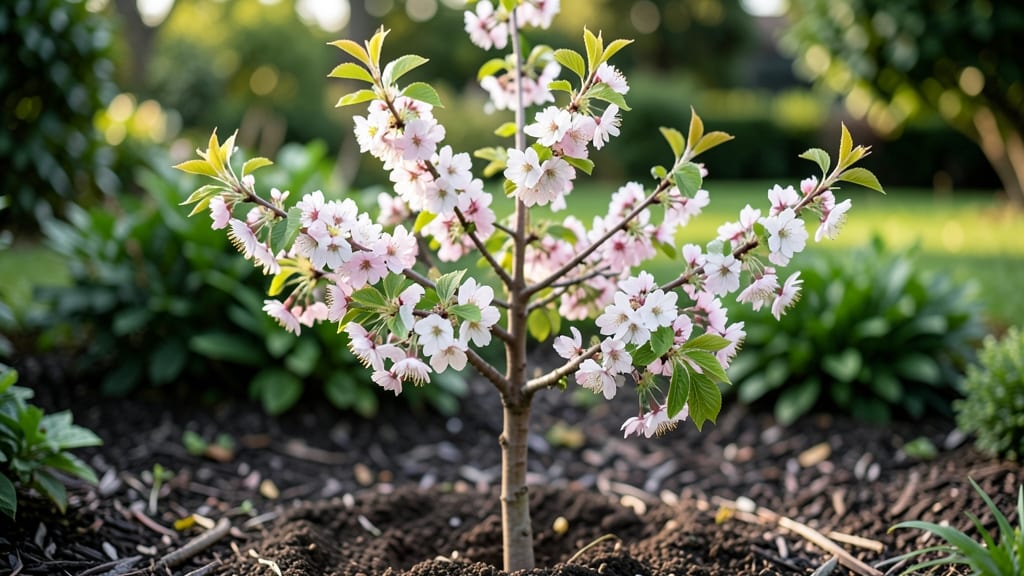
Sour cherry tree blossoms transform your yard into a springtime dream—pink clouds that last longer when you prune with purpose. ✨ I learned the hard way that aggressive cuts backfire: my first tree struggled for years until I mastered the art of selective pruning.
The secret lies in shaping the tree during dormancy, not just after blooming, to balance beauty and fruit production.
You’ll need sharp pruners, a ladder (for mature trees), and a clear day to work—late winter is ideal, before buds swell. Focus on removing dead wood first, then thin crowded branches to let sunlight reach the center.
This isn’t about drastic cuts; it’s about strategic shaping to encourage vibrant, abundant blossoms year after year. Even small adjustments make a difference.
The payoff? A tree that bursts into bloom earlier and more dramatically, with fruit that follows reliably. The scent alone—sweet and tart—will have neighbors asking for your secrets. With the right technique, your sour cherry becomes the showstopper of the neighborhood, not just another shade tree.
Works for both container-grown and in-ground trees, and adapts to zones 4-8. Here’s how to make it happen without the guesswork—no more half-hearted blooms or sparse fruit.
📚 In This Guide
- What you need
- Instructions
- Tips and common mistakes
- Wrapping up and next steps
What you need
- ● Pruning shears: Bypass pruners (sharp, 7–10" blades) for clean cuts on small branches.
- ● Loppers: 1 pair (18–24" long) for thicker branches (½–1½" diameter).
- ● Pruning saw: Curved-tooth saw for branches >1½" thick.
- ● Disinfectant (70% isopropyl alcohol or bleach solution): 1 bottle (for sterilizing tools).
- ○ Pruning sealant: Optional but helpful for large cuts (1 small jar).
- ● Gloves: Heavy-duty gardening gloves (1 pair) to protect from thorns.
- ● Ladder or step stool: Tall enough to reach the tree’s canopy safely.
- ● Trash bags: 2–3 heavy-duty bags for debris.
- ● Notebook & pen: To sketch pruning plans or track cuts.
- ● Hand pruners: Compact shears for precision work in tight spots.
- ● Pole pruner: Extendable tool for high branches (12–16 ft).
- ● Tree wound dressing: For sealing cuts (e.g., Tanglefoot Tree Wound Pruning Sealer).
- ● Spray bottle with water: To clean tools between cuts.
- ● Marking twine or flags: To tag branches for removal.
How to prune a sour cherry tree for year-round blossoms
Pruning isn’t just about shaping—it’s the secret to keeping your sour cherry tree flowering beautifully from spring to fall.
✂️ Step 1: Time Your Pruning for Peak Health
Prune your sour cherry tree during late winter or early spring, just before buds swell but before new growth begins. This timing ensures the tree isn’t stressed during dormancy and maximizes next season’s blossoms. Avoid pruning in fall, as late cuts can trigger new growth that won’t harden off before winter.
I always prune on a dry, cloudy day—this prevents sap bleeding and reduces stress on the tree. If you must prune in warm weather, do it in the early morning or late evening to minimize sun exposure for fresh cuts. Use sterilized pruners to avoid introducing disease through open wounds.
🌿 Step 2: Remove Dead, Diseased, or Crossing Branches
Start by identifying branches that are dead, diseased, or rubbing against others—these are your top priorities. Dead branches snap easily when bent; diseased ones may have discolored bark or oozing sap. Crossing branches compete for energy and can create weak points where pests or disease enter.
Cut these branches back to the collateral bud (a side bud growing outward from the main stem). Make your cuts at a 45-degree angle, about ¼ inch above the bud, to encourage proper healing. If a branch is larger than ½ inch in diameter, use a three-cut technique to avoid tearing the bark.
☀️ Step 3: Thin the Canopy for Better Airflow and Light
Sour cherry trees need open airflow to prevent fungal diseases like powdery mildew and to encourage strong blossom production. Aim to remove 20-30% of the tree’s canopy by selectively thinning branches. Focus on removing inward-growing branches and those that block sunlight from reaching the center.
You’ll know you’ve done enough when you can see light filtering through the branches and no two branches are touching. This also helps the tree focus its energy on producing healthier blossoms rather than struggling to support dense foliage. Avoid over-thinning—too little leaf cover weakens the tree.
⏰ Step 4: Shape for Balance and Future Growth
Step back and assess the tree’s natural shape. Sour cherry trees grow best with a rounded, open center—this allows sunlight to reach all branches and encourages even blossoming. Prune to maintain a slightly wider base than top, which prevents storm damage and promotes stability.
If the tree has suckers (shoots growing from the base), remove them immediately—they drain energy from the main trunk. For water sprouts (fast-growing vertical shoots), cut them back to a lateral branch. This redirecting of energy ensures the tree puts more effort into flowering and fruiting rather than unnecessary growth.
🌱 Step 5: Clean Up and Monitor for Recovery
After pruning, sterilize your tools with rubbing alcohol to prevent spreading disease. Collect and dispose of pruned branches—never leave them on the ground, as they can harbor pests or fungi. Apply a thin layer of wound dressing only on large cuts (over 1 inch in diameter) to protect against infection.
Watch for new growth within 2-4 weeks—this is your signal that the tree is recovering well. If you see yellowing leaves, wilting, or excessive sap, the pruning may have been too aggressive. Adjust next year’s cuts accordingly. A well-pruned sour cherry tree will reward you with vibrant blossoms and abundant fruit for years to come.
Tips & tricks for perfect sour cherry tree pruning
Took me years to perfect these pruning strategies—here’s how to avoid common mistakes and get the most stunning blossoms.
Timing is Everything: The late winter to early spring window (just before buds swell) is critical. I once pruned in late fall and ended up with weak new growth that didn’t survive winter. If you miss this timing, wait until late winter—never prune in summer or fall when the tree is actively growing or preparing for dormancy. The goal is to let the tree focus all its energy on next season’s blossoms rather than healing from cuts.
Visual Cues for Proper Cuts: When cutting branches in Step 2, look for the "collateral bud" (the outward-facing side bud) to guide your 45-degree cut. I learned this the hard way—cutting too close to the trunk can leave unsightly stubs, while cutting too far can damage the branch collar. For branches over ½ inch thick, the three-cut technique prevents bark tearing: make the first cut about 1-2 inches from the trunk, then the second cut just outside the first, and finally sever the branch. This creates a clean break without damaging the trunk.
Canopy Thinning Strategy: Aim to remove 20-30% of the canopy in Step 3, but don’t guess—step back and look for light filtering through. I use the "light test": if you can see sunlight through the branches, you’ve done enough. Removing inward-growing branches first prevents overcrowding, which is where fungal diseases like powdery mildew thrive. Remember, the goal is to create an open, rounded shape that lets sunlight reach all parts of the tree equally.
Recovery Monitoring: After pruning, watch for new growth within 2-4 weeks as your signal that the tree is recovering well. Yellowing leaves or excessive sap bleeding usually means you’ve been too aggressive. If this happens, scale back next year’s pruning by 25-30%. I’ve seen trees recover from heavy pruning, but it takes patience—sometimes you need to wait a full season before seeing the full benefits of your work.
Pro Tips for Sour Cherry Tree Blossom
- Took me years to perfect these pruning strategies—here’s how to avoid common mistakes and get the most stunning bloss...
- Timing is Everything: The late winter to early spring window (just before buds swell) is critical. I once pruned in l...
- Visual Cues for Proper Cuts: When cutting branches in Step 2, look for the "collateral bud" (the outward-facing side ...
Frequently asked questions
Got questions about nurturing your sour cherry tree blossom? You’re not alone! Here are answers to the most common queries—from timing to troubleshooting—to keep your tree thriving with stunning blooms year after year.
When is the best time to prune sour cherry tree blossoms for maximum flowers?
Prune your sour cherry tree during late winter or early spring (before buds swell but after severe cold snaps). This timing ensures you remove dead wood while stimulating new growth for vibrant spring blossoms. Avoid pruning in fall—it can leave cuts vulnerable to disease. Pro tip: Use sharp tools and clean cuts to minimize stress!
How do I encourage more blossoms on my sour cherry tree?
For bountiful blossoms, focus on selective pruning—remove thick, overcrowded branches and dead wood to improve airflow. Thin out dense areas inside the canopy to let sunlight reach inner buds. Also, fertilize in early spring with a balanced, low-nitrogen formula (like 10-10-10) to support flowering. Bonus: Water deeply during dry spells to reduce stress!
Can I prune sour cherry blossoms in summer? What are the risks?
Summer pruning is not ideal for sour cherry trees—it can stress the tree, reduce next year’s blooms, and invite pests/diseases. If you must prune, do so lightly after harvest (late summer) to shape growth. Focus on removing only diseased or damaged branches. Warning: Heavy summer cuts can stunt flowering!
What should I do if my sour cherry tree isn’t blooming?
Lack of blooms often stems from poor pruning habits, over-fertilization with nitrogen, or environmental stress (like drought or shade). Check for:
- Pruning mistakes: Avoid cutting back too aggressively.
- Sunlight: Ensure 6+ hours of direct sun daily.
- Soil health: Test for pH (ideal: 6.0–6.5) and amend if needed.
- Age: Young trees (under 3 years) may bloom lightly—be patient!
Are there alternatives to pruning for maintaining blossoms?
While pruning is key, you can supplement care with:
- Mulching: Add 2–3 inches of organic mulch (like wood chips) to retain moisture and regulate soil temp.
- Thinning fruit: Remove excess fruit to redirect energy to blossoms next season.
- Disease prevention: Spray with copper fungicide in spring to deter fungal issues.
Wrapping up and next steps
The sour cherry tree blossom isn’t just a fleeting spring spectacle—it’s a year-round masterpiece waiting to unfold with the right care. By mastering pruning precision, you’ll unlock vibrant blooms, lush foliage, and a bountiful harvest, turning your garden into a living work of art. 🌸
Ready to transform your space? Start small—pick one branch this season and practice the techniques you’ve learned. Before you know it, your sour cherry tree will be the star of your landscape, blooming with confidence (and maybe even a few sweet surprises!).
Next step: Grab your pruners and schedule that first trim—your tree (and future you) will thank you! 🌱