
How To
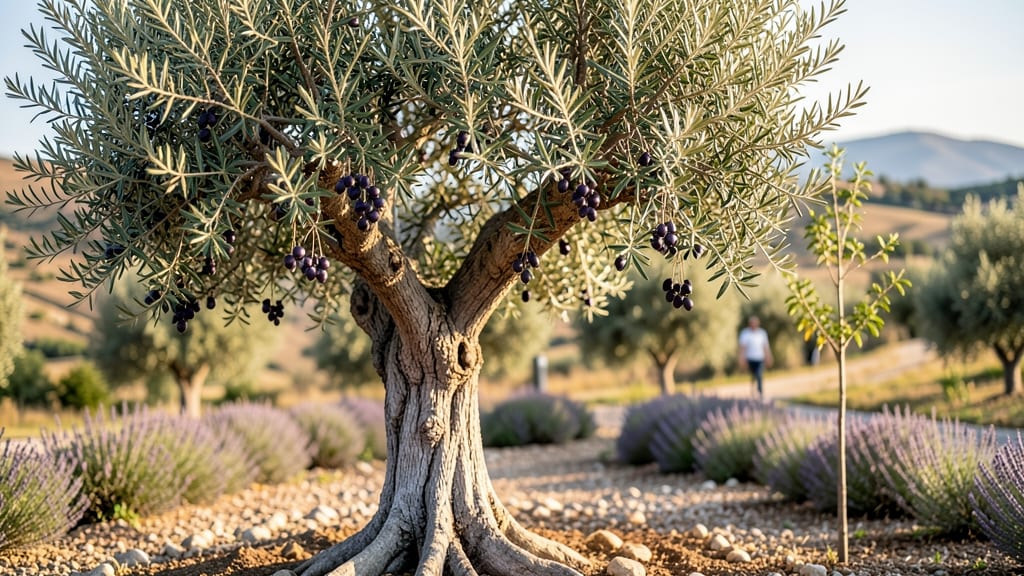
Wondering how tall does an olive tree grow? Its mature height can range from a compact 8 feet to a towering 80 feet, depending on the variety and how you prune it.
Picture this: you plant a tiny sapling in your backyard, dreaming of Mediterranean charm—only to wake up years later staring at a three-story tree shading your patio. That’s the reality for standard olive trees, but dwarf varieties stay manageable for containers or small spaces.
Climate plays a huge role too. In warmer zones like 6a, olive trees grow faster and taller, while cooler areas may stunt their growth without proper care. Pruning isn’t just about aesthetics—it’s the key to controlling height and keeping your tree healthy.
Below, I’ll break down the height ranges by variety, how climate affects growth, and the best pruning tips to keep your olive tree at your ideal size—whether you want a bushy dwarf or a stately standard.


Olive tree height by variety: dwarf to giant mature sizes
Choosing an olive tree variety is one of the first decisions that determines whether your backyard will feature a 6-foot patio centerpiece or a 50-foot Mediterranean giant. The right variety can transform your space—whether you crave a container-friendly dwarf or a landscape statement tree.
Let’s explore the height spectrum, from tiny tabletop varieties to ancient giants that dominate landscapes.
Olive trees naturally grow in a wide range of sizes, but their mature height depends on genetics, pruning habits, and growing conditions. Some varieties stay compact enough for urban balconies or patios, while others reach heights that require regular pruning to maintain safety.
Understanding these differences helps you select the perfect fit for your garden’s scale and vision.
🌱
| Variety | Mature Height | Ideal Growing Conditions | Best For |
|---|---|---|---|
| Arbequina | 6–12 ft | Full sun, well-draining soil, USDA Zones 8–11 | Containers, patios, small gardens |
| Little Ollie | 8–15 ft | Full sun, drought-tolerant, Zones 7–11 | Dwarf landscapes, urban gardens |
| Frantoio | 20–30 ft | Full sun, Mediterranean climate, Zones 8–11 | Landscaping, olive oil production |
| Manzanillo | 25–40 ft | Full sun, well-draining soil, Zones 7–11 | Large gardens, rural landscapes |
| Mission | 30–50+ ft | Full sun, drought-resistant, Zones 8–11 | Ancient groves, large estates |
| Leccino | 35–50 ft | Full sun, well-draining soil, Zones 8–11 | Traditional orchards, Mediterranean-style gardens |
If you’re dreaming of a compact olive tree for your balcony or patio, varieties like Arbequina and Little Ollie are ideal. These dwarf varieties stay under 15 feet and thrive in containers with proper drainage.
Their smaller stature makes them perfect for urban gardens or rooftop terraces where space is limited.
For those with more room, semi-dwarf varieties like Frantoio or Manzanillo offer a balance between manageable size and productive fruit yields. These trees typically reach 20–40 feet at maturity, making them suitable for backyard landscapes or large patios.
With regular pruning, you can keep them even smaller while still enjoying their lush foliage and abundant olives.
On the other end of the spectrum, standard varieties like Mission and Leccino grow into towering giants, often exceeding 50 feet in height. These trees are best suited for rural properties, ancient groves, or Mediterranean-style estates.
Their dramatic height and ancient, gnarled trunks add a sense of grandeur to any landscape, but they require ample space and regular pruning to maintain safety.
🌳
One of the most exciting aspects of growing olive trees is watching them mature over time. A young olive tree might start as a 2–4-foot sapling, but within 3–5 years, it can grow 10–20 feet tall depending on the variety.
This rapid growth makes it easy to visualize how your tree will fill out your garden. For example, a Little Ollie could reach 8–12 feet in just a few years, while a Mission olive might grow 20+ feet annually if unpruned.
To control the height of your olive tree, pruning is key. Regular pruning not only shapes the tree but also encourages bushier growth and better fruit production. For dwarf varieties, light pruning in late winter or early spring keeps them compact and manageable. Meanwhile, <
How climate zones affect olive tree growth and maximum height
Your olive tree's mature height depends heavily on where you live. Native to Mediterranean climates, olive trees thrive in USDA hardiness zones 8–11—areas with mild winters and hot, dry summers.
In these zones, standard varieties like Arbequina or Manzanillo can reach 25–50 feet tall, while dwarf varieties stay under 10 feet. Outside these zones, growth slows dramatically, and winter damage risks increase.
In Zone 8, the northernmost limit for olive trees, expect slower growth and shorter mature heights—often 15–30 feet—unless you choose cold-hardy varieties like Frantoio. Zones 9–11 offer ideal conditions, with trees growing 3–5 feet per year if given proper care.
However, even in perfect climates, pruning habits can drastically alter height and shape.
| Zone | Mature Height Range | Growth Rate (Annual) | Cold Tolerance |
|---|---|---|---|
| 8 | 15–30 ft | 1–2 ft (slow) | 20–25°F (with protection) |
| 9 | 20–40 ft | 2–4 ft | 25–30°F |
| 10–11 | 30–50+ ft | 3–5 ft | 30–35°F |
💡 Note: Dwarf varieties can be 50% shorter in any zone with proper pruning.
Cold snaps are the biggest threat to olive trees in Zone 8 and colder microclimates. Temperatures below 20°F can kill young trees or damage branches, stunting future growth. To protect your tree, wrap the trunk in burlap during winter and mulch heavily around the base.
In Zones 9–11, olive trees grow faster but may suffer from heat stress if not given enough water during dry spells.
Pruning plays a crucial role in managing height across all zones. In Zones 8–9, I recommend light pruning in late winter to remove dead wood and shape the tree before new growth begins.
For Zones 10–11, where trees grow aggressively, summer pruning (after harvest) helps control height and improve air circulation. Always use sterilized pruning shears to prevent disease, and avoid cutting more than 25% of the canopy in a single session.
If you live in Zone 7 or below, consider growing olive trees in large containers that can be moved indoors during winter. Dwarf varieties like Little Ollie thrive in pots and rarely exceed 8 feet tall, making them perfect for patios or greenhouses.
Even in ideal climates, container-grown trees grow 20–30% slower than in-ground plants, so plan for a longer wait before reaching mature height.
For maximum height control, combine pruning with proper fertilization. Olive trees need low-nitrogen fertilizer (like 6-6-6) to encourage strong wood and slow, steady growth. Over-fertilizing with nitrogen can lead to weak branches and faster (but less stable) height increases.
Pair this with consistent watering—deep soaks once a week during dry periods—and your olive tree will grow tall and healthy without becoming unmanageable.