
How To
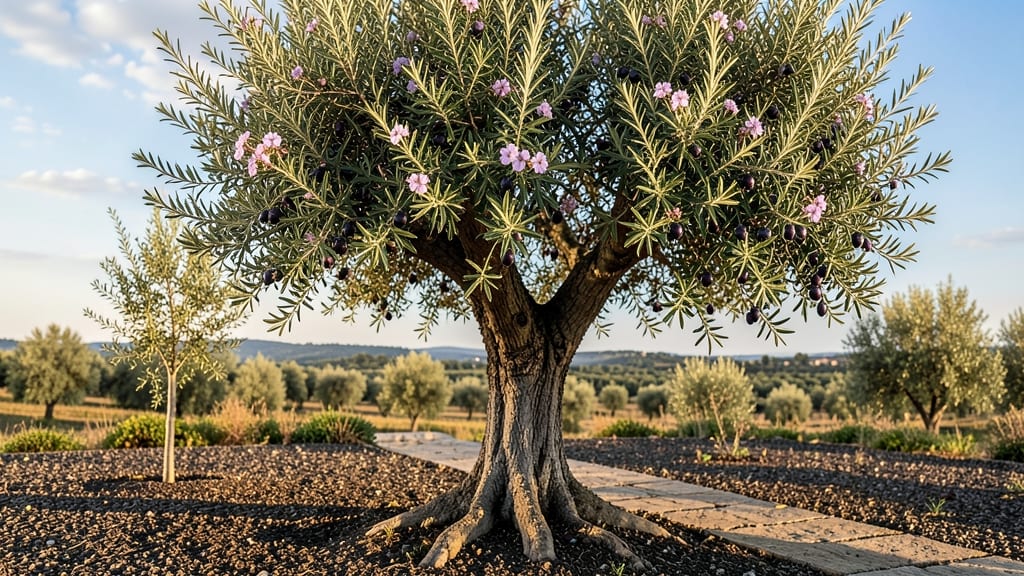
How tall can an olive tree grow? This hardy Mediterranean beauty can reach heights of 50 feet or more when given the right conditions, making it a long-term investment for your landscape.
Ever wondered if that tiny olive tree in your backyard could one day tower over your house? Olive trees aren’t just resilient—they’re architectural giants in the right conditions. But how tall can they really grow, and what factors determine their skyward potential?
Most olive trees mature between 20 and 50 feet, depending on the variety and care. Dwarf cultivars stay compact, perfect for containers or small gardens, while standard trees can easily outgrow a two-story house.
The key to managing their height lies in pruning, soil quality, and climate—especially if you’re in USDA Zone 6a or warmer.
In this guide, I’ll break down the height ranges by variety, the factors that influence growth, and practical tips to control or encourage their size—whether you’re dreaming of a Mediterranean grove or just want a manageable backyard tree.


Olive tree height by variety: dwarf to monumental growth ranges
Olive trees are famous for their longevity and striking presence, but their mature height can vary dramatically depending on the variety and growing conditions. Some dwarf cultivars stay under 10 feet, while traditional Mediterranean varieties can soar to 50 feet or more.
Understanding these differences helps you choose the right tree for your space, whether it's a container garden or a sprawling orchard.
The height potential of an olive tree is primarily determined by its genetics. Dwarf varieties are bred specifically for smaller growth, making them ideal for urban gardens or patios. In contrast, standard varieties grow tall naturally, often requiring regular pruning to manage their size.
Let's explore the most popular varieties and their mature height ranges to help you make an informed decision.
| Variety | Mature Height (ft) | Growth Habit | Best For |
|---|---|---|---|
| Arbequina | 10-15 ft | Compact, rounded | Containers, small gardens |
| Frantoio | 30-40 ft | Upright, vigorous | Orchards, rural properties |
| Manzanillo | 25-35 ft | Spreading, robust | Mediterranean climates, large yards |
| Leccino | 40-50 ft | Tall, pyramidal | Commercial groves, large estates |
| Little Ollie (Dwarf) | 8-12 ft | Dwarf, bushy | Patios, containers, urban gardens |
| Arbequina Dwarf | 6-10 ft | Dwarf, slow-growing | Balconies, small spaces |
If you're dreaming of a monumental olive tree like those in Tuscany, varieties like Leccino or Frantoio are your best bet. These traditional types can reach 50 feet or taller when given ample space, sunlight, and proper care.
Their vigorous growth makes them perfect for agricultural settings but less practical for suburban yards without careful pruning and maintenance.
On the other hand, if you're working with limited space, dwarf varieties like Arbequina or Little Ollie are game-changers. These trees stay under 12 feet and thrive in containers, making them ideal for patios, balconies, or even indoor growing with sufficient light.
Their compact size also means they produce fruit earlier, often within 3-5 years of planting.
For home gardeners, the choice between a standard and dwarf olive tree often comes down to space and purpose. If you're growing olives for harvesting, a slightly taller variety like Manzanillo (25-35 ft) offers a good balance between manageable size and productive yield.
Meanwhile, Arbequina is a favorite for its small fruit size and adaptability to container growing, making it a versatile pick for urban environments.
It’s also worth noting that even within a single variety, height can vary based on growing conditions. For example, an Arbequina grown in a large container with restricted roots may stay shorter than one planted in the ground.
Similarly, pruning techniques can drastically alter a tree's height—regular topping can keep a standard variety in check, while espalier training can flatten its growth entirely for a more horizontal appearance.
When selecting an olive tree, consider not just its mature height but also its growth rate. Some dwarf varieties grow only 6-12 inches per year, while standard types can add 2-3 feet annually under ideal conditions.
This difference affects how quickly you’ll enjoy fruit production and how much maintenance you’ll need to manage its size over time.
If you're in a cooler climate (USDA zones 7-9), opt for varieties like Arbequina or Little Ollie, which are more cold-hardy and better suited to container growing.
In warmer zones (10+), you can experiment with taller varieties like Frantoio or Leccino, but be prepared for their rapid growth and need for regular pruning to prevent them from becoming unmanageable.
Whether you're aiming for a miniature olive tree as a centerpiece or a towering specimen
What determines olive tree height: soil, climate, and pruning secrets
Olive trees thrive in Mediterranean climates with hot, dry summers and mild winters. These conditions allow them to reach their full 20-50 foot potential, but your local climate plays a huge role.
In USDA Zones 8-10, olive trees grow fastest, while colder zones (like Zone 7) may stunt their growth unless you use dwarf varieties or container cultivation. Even a few degrees difference can mean the difference between a 15-foot tree and a 40-foot giant.
Soil quality is another game-changer. Olive trees demand well-draining soil with a slightly alkaline pH (6.0-8.0). Heavy clay or waterlogged soil can suffocate roots, limiting height growth. Amend your soil with sand or gravel to improve drainage, and avoid compacted areas where roots can’t spread.
Deep, fertile soil allows roots to establish quickly, fueling rapid vertical growth in their first 5-10 years.
Water needs also impact height dramatically. Young olive trees require deep, infrequent watering (every 7-10 days) to encourage deep root systems. Overwatering leads to weak, shallow roots that can’t support a tall tree.
Once established, olive trees become drought-tolerant, but consistent moisture during their first 3 years is critical for reaching maximum height.
Olive Tree Height Factors: Pros & Cons
Pros of Ideal Conditions
- 🌞 Full sun (6+ hrs/day) → Faster vertical growth
- 🌱 Well-draining soil → Strong root system
- 💧 Deep watering → Encourages tall growth
- ✂️ Minimal pruning → Natural height potential
Cons of Poor Conditions
- 🌧️ Overwatering → Stunted, weak growth
- 🪴 Container growth → Height limited to pot size
- ❄️ Cold winters → Slower growth or dwarfing
- ✂️ Heavy pruning → Controls height but reduces potential
🌳 Result: Ideal conditions = 50 ft trees; poor conditions = 10-15 ft max.
Pruning is the ultimate human-controlled factor in olive tree height. If left unpruned, olive trees grow naturally into broad, rounded canopies with multiple trunks. But with strategic pruning, you can shape them into single-trunk standards or even espalier them against walls to stay under 8-10 feet.
I recommend structural pruning in late winter to remove suckers and weak branches, which directs energy upward. For container-grown trees, top-pruning keeps them manageable while still allowing some height growth.
Climate isn’t just about temperature—wind exposure matters too. Olive trees in coastal areas with salty winds may grow slower due to stress, while inland trees in Zone 9-10 can reach their full 50-foot potential.
If you live in a windy region, consider planting near a windbreak or choosing a dwarf variety like Arbequina, which tops out at 12-15 feet even in challenging conditions.
Remember, olive trees grow slowly in their first 5 years but can add 2-3 feet per year once mature. With the right soil, climate, and pruning, your olive tree could one day cast shade over your entire backyard—or stay neatly contained in a large container.
The choice is yours! 🌿