
How To
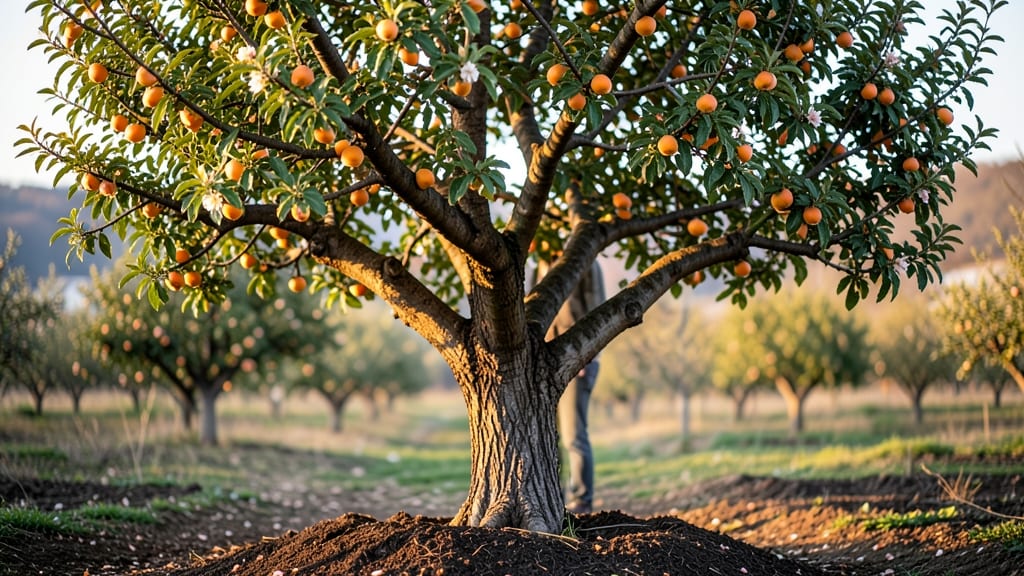
How tall does an apricot tree grow? The mature height of an apricot tree typically ranges between 15 and 30 feet, depending on the variety and growing conditions, making it a striking addition to any landscape.
Wondering if your backyard has space for an apricot tree? The height of these fruit-bearing beauties can vary dramatically—from compact dwarf varieties to towering giants—depending on the cultivar, pruning habits, and climate conditions.
Standard apricot trees can reach 20 to 30 feet, while dwarf varieties stay between 8 and 12 feet, perfect for smaller gardens or containers. This means you can enjoy their stunning blossoms and sweet fruit without sacrificing yard space.
Below, I’ll break down how to choose the right variety for your space, the best pruning techniques to manage height, and how climate plays a role in their growth.


Apricot tree height ranges by popular varieties: dwarf to standard sizes
Choosing an apricot tree for your garden starts with understanding height variations across popular varieties. Standard apricot trees can soar to 20–30 feet, while dwarf varieties stay under 12 feet, making them perfect for small yards.
The right choice depends on your space, climate, and how much fruit you plan to harvest each year.
Most apricot trees follow a central leader growth habit, meaning they grow upward with a single main trunk. However, some varieties like 'Tilton' develop a more open vase shape, which affects both height and fruit accessibility. Let’s explore how these differences play out in real-world gardens.
If you’re working with limited space, dwarf varieties like 'Goldcot' or 'Sungold' are game-changers. These trees are often grafted onto dwarfing rootstock, which restricts their height while maintaining fruit production.
For example, 'Sungold' reaches just 8–12 feet at maturity, making it ideal for patio gardens or even large containers.
Standard varieties like 'Blush' and 'Moongold' require more room—not just for their height but also for their spreading branches. Plant these 20–25 feet away from fences, power lines, or other structures to avoid shading issues and ensure easy harvesting.
Always check the USDA hardiness zone for your area, as taller varieties may struggle in colder climates.
Pruning plays a critical role in managing height. Young apricot trees benefit from structural pruning in their first few years to establish a strong framework. For dwarf varieties, annual pruning keeps them compact, while standard trees may need selective pruning to control height and improve airflow.
Always prune in late winter or early spring before new growth begins.
Another factor to consider is fruit production. Taller trees like 'Blush' produce more fruit overall, but dwarf varieties often yield earlier and more consistently in small spaces.
If you’re growing apricots for home canning or fresh eating, a dwarf tree might actually give you better results with less effort.
For urban gardeners, semi-dwarf varieties like 'Tilton' strike a balance. They grow to 12–18 feet but can be pruned to stay smaller. Pair these with dwarfing rootstock for even better control. Just remember: spreading branches need space, so plan accordingly when planting near walkways or other features.
When planting, dig a hole twice as wide as the root ball but no deeper. Amend the soil with compost or well-rotted manure to improve drainage, as apricot trees hate soggy roots.
Mulch around the base with wood chips or straw to retain moisture and suppress weeds, but keep mulch 3–4 inches away from the trunk to prevent rot.
Finally, don’t forget about pollination. Most apricot varieties are
Factors that influence apricot tree height: climate, pruning, and soil
Your apricot tree's height isn't set in stone—it's shaped by three key factors: climate conditions, pruning techniques, and soil quality. Understanding these will help you manage growth, whether you're working with a small urban garden or a spacious rural plot.
Let's break down how each element plays a role in determining whether your tree will reach 25 feet or stay compact at 8 feet.
The USDA hardiness zone where you live dramatically impacts your apricot tree's growth potential. Trees thrive best in zones 5-8, but colder climates (like zone 5) often produce slower-growing, shorter trees due to winter stress.
In warmer zones (like zone 8), apricot trees can grow 20-30 feet tall without intervention, while colder zones may see heights limited to 15-20 feet.
🌱 Apricot Tree Height Control Guide
Zone 5-6: 15-20 ft
Zone 7-8: 20-30 ft
Open-center: 12-18 ft
Central leader: 20-30 ft
Poor soil: Slower growth
Rich soil: Faster growth
Pro Tip: Combine dwarf rootstock with regular pruning to keep trees under 10 feet in tight spaces.
Pruning is your most powerful tool for controlling height. The open-center (vase-shaped) method encourages a 12-18 foot tree by removing the central leader, while the central leader (standard) approach allows trees to grow 20-30 feet tall.
I recommend annual pruning in late winter to shape your tree—cut back 1/3 of new growth each year to maintain desired height. For small gardens, prune aggressively to keep branches 6-8 feet off the ground.
Soil quality directly affects your tree's vigor and growth rate. Apricot trees prefer well-draining, slightly acidic soil (pH 6.0-7.0). Poor soil with clay or compaction slows growth, while rich, loamy soil with added compost can push a tree toward its maximum height potential.
I always test my soil before planting—amending with organic matter and gypsum (for clay) makes a noticeable difference in growth rate within 2-3 years.
For limited spaces, combine dwarf rootstock with container growing. Grafting apricot varieties onto Prunus mume (Japanese apricot) rootstock can reduce mature height to 8-12 feet. When container-growing, use large pots (20+ gallons) and prune roots annually to prevent root-bound stress, which stunts growth.
My Patio Princess apricot stays under 6 feet thanks to this combo!
Remember that young trees grow fastest—expect 3-5 feet of growth in their first year. After 3-5 years, growth slows to 1-2 feet annually.
With proper care, you can guide your apricot tree to fit your space perfectly, whether you want a towering shade tree or a compact patio centerpiece. 🌳