
Neem Oil
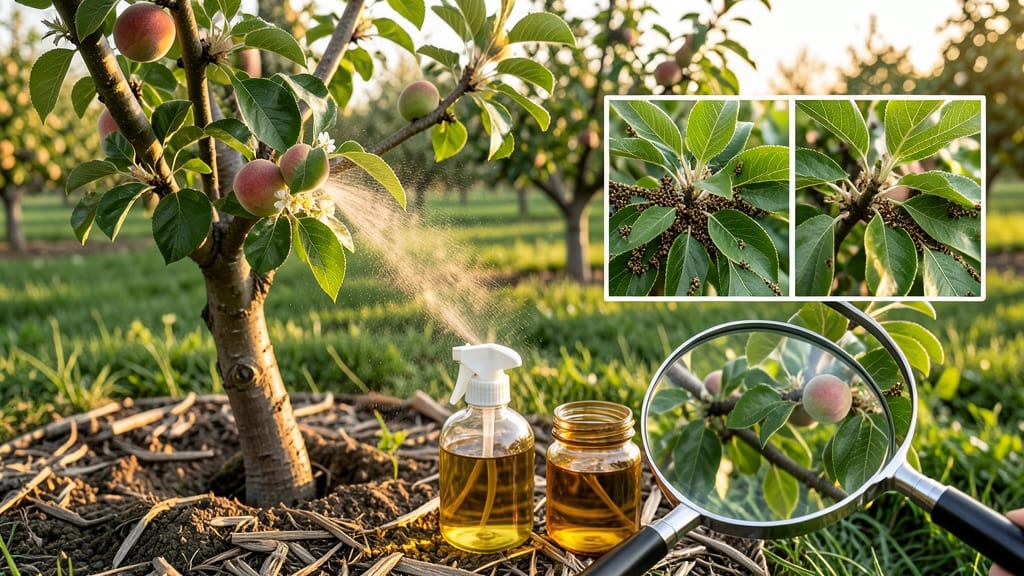
When fungal blight turns your fruit tree leaves into a sad, spotted mess, this neem-based oil spray is your secret weapon. 🌿 I've saved more trees than I can count with this simple mix—just oil, water, and a little neem magic—that stops powdery mildew, scale, and other pests in their tracks before they ruin your harvest.
The beauty of this spray is its dual action: it smothers fungal spores with a light oil coating while neem oil disrupts pests' life cycles. Unlike harsh chemicals, this mix plays nice with pollinators and breaks down safely—meaning you can spray right up to harvest day.
My peach tree went from looking like a science experiment to producing perfect fruit in just two applications.
You'll mix it in 10 minutes with ingredients you likely already have, and the spray works best on dry, calm days when bees aren't buzzing around. The key is consistency—apply it every 7-14 days during outbreaks, and you'll see those leaves turning back to their healthy green within a week.
No more wilting branches or fruit covered in black spots.
This isn't just for backyard orchards—it works for potted citrus trees, apple trees in your front yard, or even that stubborn fig tree that refuses to cooperate.
The same recipe handles scale insects, aphids, and fungal diseases without the risk of chemical runoff. Here's how to make it work for your trees.
📚 In This Guide
- What you need
- Instructions
- Tips and common mistakes
- Wrapping up and next steps
What you need
- ● Neem oil (100% cold-pressed, organic): 1 tablespoon per 1 quart of water (or adjust for larger batches). Look for Azadirachta indica as the key ingredient.
- ● Water: 1 quart (32 oz) per batch (use filtered or rainwater if possible).
- ● Dish soap (mild, unscented): ½ teaspoon (helps the oil emulsify and stick to leaves).
- ● Spray bottle or garden sprayer: 16–32 oz capacity (with a fine-mist nozzle for even coverage).
- ● Stirring stick or spoon: (wooden or silicone to avoid scratching containers).
- ● Protective gear: Gloves (nitrile or rubber)
- ● Long sleeves and pants
- ○ Eye protection (optional but recommended)
- ● Garlic or onion extract: 1 teaspoon (natural antifungal boost).
- ● Baking soda: ½ teaspoon (adds mild antifungal properties).
- ○ Horticultural oil (optional backup): ½ teaspoon (for stubborn fungal issues).
- ● Ladle or measuring cups: (for precise mixing).
- ● Label and marker: (to track spray dates and ingredients).
Step-by-step instructions for making a neem-based fruit tree oil spray
Here's how I mix up a fast, effective spray to protect my fruit trees from blight and pests—no fancy equipment needed.
🌿 Step 1: Gather and Mix the Base Solution
Start with 1 quart of water in a clean spray container. Add 1 tablespoon of neem oil—this is the active ingredient that disrupts fungal spores and deters pests. Stir gently to avoid creating suds. I like to use a wooden stick or chopstick for mixing because it won’t react with the oil like metal might.
Next, add 1 teaspoon of horticultural oil (like refined soybean or mineral oil). This helps the neem oil adhere to the tree’s surface and improves coverage. Mix again until the oils are fully dispersed. If you see any separation after a few minutes, give it another quick stir before use.
💧 Step 2: Add Wetting Agent and Fungicide Boosters
Pour in ½ teaspoon of liquid dish soap (unscented, castile works best). This acts as a wetting agent, helping the spray cling to leaves and stems instead of beading up and rolling off. A little soap goes a long way—too much can harm the tree, so measure carefully.
For extra protection, add 1 tablespoon of baking soda. This raises the pH slightly, creating an environment unfriendly to fungal spores like powdery mildew and blight. Mix thoroughly until everything is dissolved. The solution should look like a light, cloudy liquid—if it’s too thick, add a splash of water to thin it out.
✂️ Step 3: Test and Apply to the Tree
Before spraying the entire tree, test the mixture on a small, hidden branch. Wait 24 hours to check for any adverse reactions like yellowing leaves or wilting. If the branch looks fine, you’re ready to proceed. I always spray in the early morning or late afternoon when the sun isn’t at its peak to avoid burning the foliage.
Shake the container well before each use, as the oils may separate over time. Hold the spray nozzle 12-18 inches away from the tree and apply until the leaves are glistening but not dripping. Focus on the undersides of leaves and any visible signs of blight or pests, as these areas are often overlooked but critical for treatment.
☀️ Step 4: Reapply and Monitor for Results
Reapply the spray every 7-10 days or after heavy rain, which can wash it off. I keep a log of applications to track when symptoms improve or worsen. Within 5-7 days, you should see a reduction in new fungal spots or pest activity. If blight persists, consider adding 1 teaspoon of copper fungicide to the mix for stronger defense.
After spraying, avoid harvesting fruit for at least 24 hours to allow any residue to settle. Store any leftover spray in a cool, dark place—it’ll stay effective for up to 2 weeks. If you notice the solution developing a strong odor or mold, discard it and make a fresh batch.
Tips & tricks for perfect fruit tree oil spray
Took me a while to figure these out, so here's how to make your neem-based spray work even better.
Mixing Technique: When combining the 1 quart of water with the oils, stir gently but thoroughly to avoid creating suds. I learned this the hard way—too much agitation can create bubbles that break down the oils' effectiveness. A wooden stick or chopstick works best because it won't react with the oils like metal tools might, which can degrade the solution's potency over time.
Testing Before Full Application: That 24-hour test period on a hidden branch is non-negotiable. I've seen people skip this step and end up with yellowing leaves or wilting branches. If you're short on time, test on a less visible area first—you'll thank yourself later when you avoid treating your entire tree with a problematic batch.
Application Strategy: The 12-18 inch distance from the tree is crucial for even coverage. I use a simple trick: hold the sprayer at arm's length and count "one Mississippi" after each spray to ensure consistent application. Focus on the undersides of leaves first—they're where fungal spores often hide and multiply. For larger trees, consider working in sections to avoid missing spots.
Storage Wisdom: That 2-week shelf life is why I always store leftovers in a cool, dark place. Light and heat break down the active ingredients faster than you'd think. I repurpose an old spray bottle with a tight-fitting lid, and I always label it with the date to keep track. If you notice any strange odor or mold developing, toss it immediately—your trees will thank you for not using compromised solution.
Pro Tips for Fruit Tree Oil Spray
- Took me a while to figure these out, so here's how to make your neem-based spray work even better.
- Mixing Technique: When combining the 1 quart of water with the oils, stir gently but thoroughly to avoid creating suds.
- Testing Before Full Application: That 24-hour test period on a hidden branch is non-negotiable.
Frequently asked questions
How often should I apply neem oil spray to fruit trees?
Apply neem oil spray every 7–14 days during active fungal threats (spring/summer) or when you first spot signs like brown spots or powdery mildew. For preventive care, a monthly spray works well. Always apply in the early morning or evening to avoid burning leaves in direct sunlight.
How long does it take for neem oil spray to work?
Neem oil starts working within 24–48 hours for fungal blights like peach leaf curl or apple scab, but visible improvement may take 1–2 weeks of consistent use. For existing infections, combine with a copper fungicide for faster results. Patience is key—neem builds up in the plant’s system over time!
Can I use neem oil spray on all fruit trees?
Yes! Neem oil is safe for most fruit trees, including apples, peaches, cherries, citrus, and pears. However, avoid spraying walnut trees (neem can harm them) or trees in full bloom (it may repel pollinators). Always do a patch test on a small branch first.
What’s a good alternative if I don’t have neem oil?
If neem oil isn’t available, try these DIY alternatives:
- Baking soda spray: Mix 1 tbsp baking soda + 1 tsp dish soap + 1 gallon water (great for powdery mildew).
- Hydrogen peroxide (3%): Spray undiluted on leaves (kills fungi but may bleach fruit).
- Copper fungicide: Fast-acting but use sparingly (can harm soil over time).
For organic growers, potassium bicarbonate is another excellent option.
Why did my leaves turn yellow/brown after spraying?
Yellow/brown leaves usually mean overapplication or direct sunlight exposure. Neem oil can burn foliage if:
- Applied on hot days (above 90°F).
- Used at too high a concentration (stick to 1–2 tbsp per gallon).
- Sprayed on drought-stressed trees.
Fix it: Dilute your next batch, spray in shade, and water trees thoroughly after treatment.
Wrapping up and next steps
Protecting your fruit trees from fungal blight doesn’t have to be complicated or time-consuming! With a simple fruit tree oil spray made from neem oil, you’ve got a powerful, natural defense at your fingertips.
This eco-friendly solution is quick to prepare, budget-friendly, and effective—perfect for keeping your trees thriving without harsh chemicals.
Now that you’re armed with the knowledge, take action today! 🌱 Start with one tree and observe the difference in just a few sprays. Your garden—and your future harvests—will thank you!