
Trees
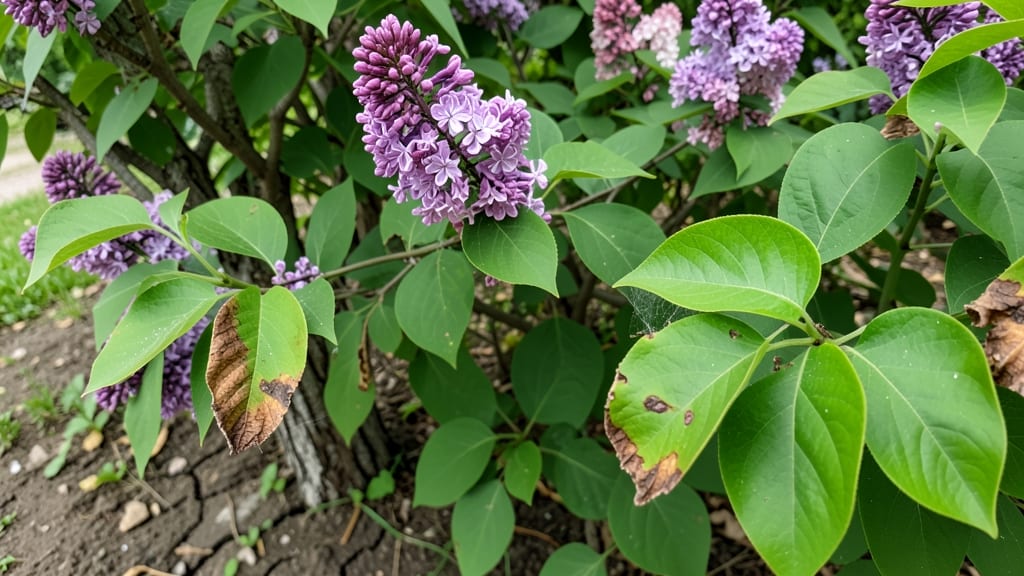
Your lilac tree’s leaves turning brown aren’t a death sentence—just a cry for help. ✨ I’ve nursed back more than my share of stressed lilacs, and the fix starts with identifying whether your tree is thirsty, sick, or overworked.
Powdery mildew, nutrient shortages, or even last summer’s heatwave could be the culprit, but the solution is always simpler than it seems.
First, check the soil moisture—lilacs hate soggy roots but also can’t handle drought. Then look for white powder (mildew) or tiny webs (spider mites) on the undersides of leaves.
These three steps—pruning dead growth, adjusting watering, and applying the right treatment—can turn brown back to vibrant green in just a few weeks.
By the time you’re done, your lilac will be pushing out fresh, glossy foliage and fragrant blooms again. The key is acting fast before the problem spreads deeper into the tree’s system. Trust me, your tree’s revival starts with these straightforward fixes.
Once you’ve tackled the immediate issue, we’ll talk about keeping your lilac thriving year-round—because nobody wants to repeat this drama next spring. Let’s get those leaves perking up!
Root Causes Of Browning Leaves
When your lilac tree’s leaves start turning brown, it’s often a cry for help from the plant itself. Understanding the why behind the discoloration is the first step to restoring your tree’s health.
Below, we break down the most common reasons—from environmental stressors to hidden pests—so you can diagnose the issue accurately and take targeted action.
Lilac trees are hardy, but extreme or sudden changes in weather can shock their system, causing leaves to brown and crisp. Here’s how it happens:
- Heat or drought stress: Lilacs thrive in well-drained soil but struggle when roots dry out. When temperatures soar or rainfall is scarce, leaves lose moisture faster than the roots can replenish it. This triggers oxidative stress, where cells break down due to excess oxygen radicals, leading to brown, papery edges or entire leaves turning brittle. 💡 Pro Tip: Test soil moisture by sticking your finger 2 inches deep—if it’s dry, it’s time to water deeply (but avoid soggy roots!).
- Cold or frost damage: While lilacs tolerate cold winters, late spring frosts or early autumn freezes can scorch tender new growth. The damage appears as necrotic (dead) brown patches, often on leaf edges or tips. This is irreversible for those leaves, but the tree can recover with proper care. ✨ Watch for: Brown spots with a water-soaked appearance before they dry out.
- Windburn: Strong, dry winds strip moisture from leaves, causing them to brown and curl. This is common in exposed yards or after pruning. The damage is usually superficial, but repeated stress weakens the tree over time.
Quick Fix: Mulch around the base (2–3 inches of organic mulch) to retain moisture and protect roots from temperature swings. For frost damage, avoid pruning until new growth appears in spring.
Not all brown leaves are due to weather—some are the work of pests or pathogens. Here’s how to spot the culprits:
| Problem | Visual Clues | Why It Happens |
|---|---|---|
| Spider Mites | Tiny yellow/brown speckles, webbing on undersides of leaves, leaves appear dusty. | These microscopic pests suck sap, causing leaves to bleach and turn brown. Hot, dry conditions make them worse. |
| Japanese Beetles | Irregular holes in leaves, skeletonized (veins remain) foliage, brown frass (poop) on surfaces. | Adult beetles chew leaves aggressively, leading to rapid browning. Larvae (grubs) also damage roots. |
| Powdery Mildew (Fungal) | White powdery coating on leaves, brown/yellow patches underneath. | Fungi thrive in humid, shaded conditions, clogging leaf pores and blocking photosynthesis. |
| Bacterial Leaf Spot | Dark brown/black spots with yellow halos, spots may ooze when wet. | Bacteria enter through wounds (like pruning cuts) or rain splashes, causing tissue death. |
Action Steps:
- For mites/beetles: Blast leaves with water to dislodge pests, or use neem oil (follow label instructions). Introduce beneficial insects like ladybugs.
- For fungal diseases: Prune infected branches below the damage, then sterilize tools with rubbing alcohol. Apply copper fungicide in early spring.
- For bacterial issues: Remove infected leaves immediately and avoid overhead watering to reduce spread.
Brown leaves can signal that your lilac isn’t getting the right nutrients. Unlike yellowing (which often indicates iron or nitrogen issues), brown leaves usually point to calcium, potassium, or magnesium deficiencies—or an imbalance in soil pH.
- Calcium Deficiency: Leaves develop necrotic brown spots between veins, often with a cupped appearance. Calcium helps cell walls stay rigid; without it, leaves weaken and brown. 🔥 Fix: Apply gypsum (calcium sulfate) to soil in early spring or use a balanced fertilizer with micronutrients.
- Potassium Deficiency: Brown edges or scorch marks appear on older leaves first. Potassium regulates water and nutrient transport—without it, leaves can’t retain moisture, leading to browning. 🌡️ Fix: Use a potassium-rich fertilizer (like 0-10-10) in late summer or early fall.
- Magnesium Deficiency: Brown patches form between leaf veins, starting on older leaves. Magnesium is central to chlorophyll production; its absence causes interveinal chlorosis (yellowing) that progresses to brown. 💡 Fix: Sprinkle Epsom salt (magnesium sulfate) around the base in early spring, following package rates.
- Soil pH Imbalance:
Lilacs prefer slightly alkaline soil (pH 6.5–7.5). If soil is too acidic (
✨ Test & Adjust: Use a soil test kit to check pH. If acidic, add lime; if alkaline, mix in sulfur or peat moss.
Prevention Tip: Conduct a soil test every 2–3 years to catch deficiencies early. Lilacs are heavy feeders—apply a balanced fertilizer (10-10-10) in early spring and again after flowering.
Overzealous pruning or improper cuts can stress lilac trees, leading to brown leaves. Here’s how it happens:
- Cutting into old wood: Lilacs flower on old wood (last year’s growth). Pruning too late (after mid-summer) or cutting into mature branches removes next year’s blooms and weakens the tree, causing leaves to brown prematurely.
- Severe pruning shocks: Removing more than 1/3 of the canopy at once can overwhelm the tree. This disrupts photosynthesis, leading to brown, wilted leaves. ⏰ Timing matters: Prune lilacs right after flowering (late spring) to avoid stressing the tree during active growth.
- Ragged or infected cuts: Uneven cuts or leaving stubs create entry points for pathogens or pests. Over time, this leads to browning and dieback.
Corrective Action:
- Prune at a 45-degree angle just above a bud or branch collar.
- Avoid topping the tree—this encourages weak growth and disease.
- Sterilize pruners with rubbing alcohol between cuts to prevent spreading
Reviving Your Lilac Tree’s Foliage
When your lilac tree’s leaves start turning brown, it’s a clear signal that something needs attention—but don’t panic! With the right approach, you can nurse your tree back to health and prevent future issues.
Below, we’ve mapped out practical, step-by-step solutions tailored to the most common causes of browning leaves, plus prevention tips to keep your lilac thriving for years to come.
If your lilac’s leaves are turning brown and mushy, root rot could be the culprit—often caused by overwatering or compacted, waterlogged soil.
How to Fix It: 🌱 Step 1: Check the Soil Moisture
- Stick your finger 2–3 inches deep into the soil. If it feels damp or soggy, your tree is getting too much water.
- Pro Tip: Lilacs prefer well-draining soil—they hate "wet feet." If your yard floods easily, consider amending the soil with compost or perlite to improve aeration. ✨
💦 Step 2: Adjust Your Watering Habits
- Water deeply once a week (or every 10 days in dry spells) rather than daily shallow waterings.
- Morning watering is best—it allows excess moisture to evaporate during the day.
- If your tree is in a pot, ensure it has drainage holes and never sits in standing water.
🌿 Step 3: Improve Soil Drainage (If Needed)
- For in-ground lilacs, create a slight mound around the base to encourage runoff.
- If the soil is heavily compacted, aerate the area with a garden fork or hire a professional for deep soil loosening.
🚫 Prevention Tip: Mulch 2–3 inches deep around the base (but keep it 6 inches away from the trunk) to regulate moisture and prevent soil compaction. 🌡️
Brown, crispy leaves that feel dry to the touch? Your lilac is thirsty—either from insufficient water or prolonged drought.
How to Fix It: 💧 Step 1: Give It a Deep Drink
- Water the tree slowly and deeply until moisture reaches 12–18 inches down (use a moisture meter if unsure).
- For mature trees, 10–15 gallons per watering may be needed.
🌧️ Step 2: Create a Watering Schedule
- Newly planted lilacs: Water 2–3 times per week for the first year.
- Established lilacs: Water once a week during dry spells (check soil moisture first).
- Pro Tip: Use drip irrigation or soaker hoses to deliver water directly to the roots without wetting the foliage (which can encourage disease). 🎯
🌿 Step 3: Boost Soil Moisture Retention
- Mix organic matter (like compost or aged manure) into the top 6 inches of soil to help retain moisture.
- If your area experiences extended droughts, consider mulching heavily (4–6 inches) to lock in moisture.
🚫 Prevention Tip: Install a rain gauge near your tree to monitor rainfall—lilacs typically need 1–1.5 inches of water per week (including rain). 📊
Brown spots, yellowing, or leaves that look chewed or discolored? Fungal diseases (like powdery mildew or anthracnose) or pests (such as lilac borers or aphids) may be to blame.
How to Fix It: 🍄 Step 1: Identify the Problem
- Fungal issues? Look for white powdery coatings (powdery mildew) or dark, sunken spots (anthracnose).
- Pest damage? Check for holes in leaves, sawdust-like frass (borer droppings), or sticky residue (aphids).
🧼 Step 2: Treat Fungal Infections - For powdery mildew: Spray leaves with a homemade mix of 1 tsp baking soda + 1 quart water + a few drops of dish soap (reapply every 7–10 days). - For anthracnose: Prune infected branches and dispose of them in the trash (don’t compost!).
Apply copper fungicide as a preventive measure. - Pro Tip: Water at the base (not overhead) to keep leaves dry and discourage fungal growth. 💡
🐜 Step 3: Combat Pests - Aphids: Blast them off with a strong spray of water or use neem oil (mix 2 tbsp neem oil + 1 tsp mild soap + 1 quart water). - Lilac borers: Prune and burn or bag infested branches.
Apply beneficial nematodes or borer-specific insecticide in early spring. - Japanese beetles: Handpick them into soapy water or use milky spore powder as a long-term deterrent.
🚫 Prevention Tips:
- Prune for airflow: Thin out dense branches to reduce humidity (fungi love damp, shaded leaves).
- Clean up debris: Remove fallen leaves and prunings promptly to eliminate fungal spores.
- Encourage beneficial insects: Plant marigolds or dill nearby to attract predatory wasps and ladybugs. ✨
Yellowing between leaf veins or stunted growth? Your lilac may be nutrient-deficient, especially if the soil is poor or depleted.
How to Fix It: 🌱 Step 1: Test Your Soil
- Conduct a simple soil test kit (available at garden centers) to check pH and nutrient levels.
- Lilacs prefer slightly acidic to neutral soil (pH 6.0–7.5).
🍽️ Step 2: Fertilize Properly
- Spring feeding: Apply a balanced, slow-release fertilizer (10-10-10 or 20-20-20) in early spring as new growth appears.
- For iron/chlorosis (yellow leaves with green veins): Sprinkle iron sulfate or chelated iron around the base.
- Avoid over-fertilizing: Too much nitrogen can burn roots and cause more stress.
🌿 Step 3: Boost Organic Matter
- Mix compost or well-rotted manure into the top 6 inches of soil annually to replenish nutrients.
- Pro Tip: Leaf mold (shredded fallen leaves composted for a year) is a fantastic free fertilizer for lilacs! 🍂
🚫 Prevention Tip: Mulch annually with aged compost or pine needles to slowly release nutrients into the soil. 🌡️
Brown leaves after extreme heat, cold, or wind? Your lilac is struggling with environmental stress, which weakens its ability to photosynthesize.
How to Fix It: 🌞 Step 1: Protect from Harsh Conditions
- Heat stress: Provide afternoon shade (especially for young trees) using lightweight shade cloth.
- Cold damage: If your lilac is in a frost-prone area, wrap the trunk with burlap in late fall and mulch heavily.
- Windburn: Plant lilacs sheltered from strong winds or use a windbreak (like a fence or hedge).
💧 Step 2: Hydrate & Recover
- Deep water the tree every 3–4 days during heatwaves to help it recover.
- Avoid pruning during extreme stress—wait until the tree has recovered its vigor.
🚫 Prevention Tips:
- Choose the right location: Lilacs thrive in full sun but with some afternoon shade in hot climates.
- Group plants together to create a microclimate that retains moisture and moderates temperature. 🌡️
Final Thought: Most lilac leaf issues are easily reversible with the right care. Start by
Frequently asked questions
Why are my lilac leaves turning brown only on the edges?
This is often a sign of underwatering or drought stress. Lilac trees need consistent moisture, especially during hot weather. Check the soil 2 inches deep—if it's dry, water deeply until moisture reaches 12 inches down. Brown edges indicate the leaves are losing moisture faster than the roots can supply it.
Can brown lilac leaves spread to other parts of the tree?
Yes, if left untreated, brown leaves can signal deeper issues like root rot, nutrient deficiencies, or fungal diseases that may spread. Act fast by adjusting watering, testing soil pH, and pruning affected branches below the damage. Early intervention prevents the problem from worsening.
Is it safe to prune brown leaves from my lilac?
Prune brown leaves right away to improve airflow and prevent fungal spread. Use clean, sharp pruners and cut at a 45-degree angle just above a healthy bud. Sterilize your tools with rubbing alcohol between cuts to avoid cross-contamination.
Will brown leaves fall off my lilac tree naturally?
Yes, but it’s better to prune them first. Brown leaves won’t harm the tree if removed promptly, but leaving them can attract pests or fungi. Focus on pruning after flowering (late spring) to avoid stressing the tree during its blooming phase.
How do I know if my lilac has a fungal disease vs. environmental stress?
Check for these clues: Fungal diseases (like powdery mildew) show white powder or dark spots, while environmental stress causes uniform browning without spots. If you see webbing or tiny holes, pests may be the issue. Test soil moisture and pH to confirm the root cause.