
Flowers
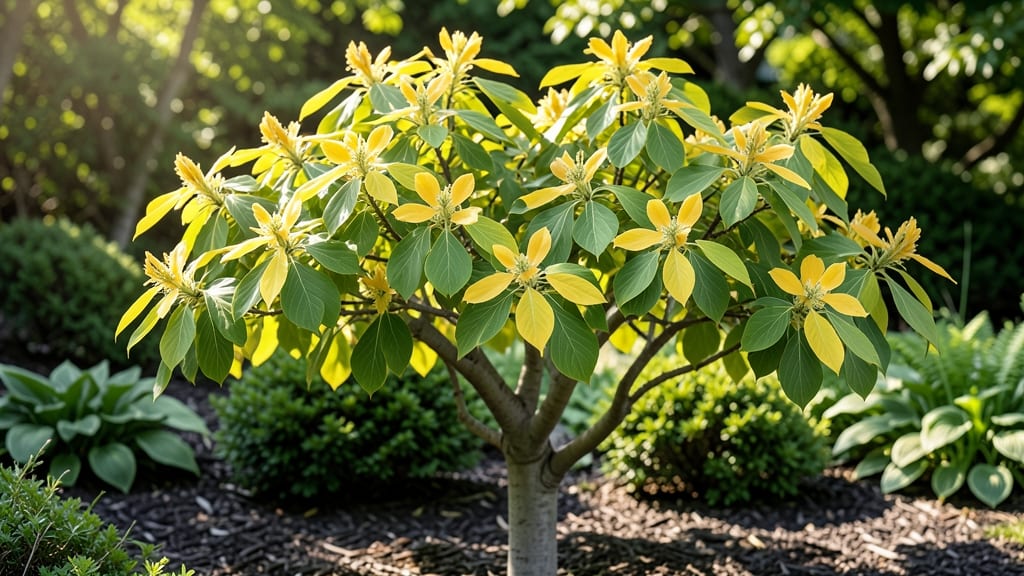
Dogwood trees with sun-kissed yellow flowers transform any yard into a springtime masterpiece. 🌸 I’ve grown both Cornus florida 'Golden Age' and Cornus kousa 'Golden Glow'—their bright blooms outshine even the boldest red varieties. The secret? Mimicking their native woodland edge: dappled light, rich soil, and patience.
These trees thrive in partial shade (6 hours of morning sun works best) and moist, well-draining soil. Too much direct sun fades their petals, while soggy roots invite fungal diseases. Mulch heavily in early spring to protect roots and keep moisture steady—this is where consistent blooms begin.
By late summer, you’ll see next year’s flower buds forming at the stem tips. Prune only to shape (never after August) and watch as those buttery-yellow blooms return year after year. The payoff? A tree that looks like a painting in spring and still provides structure in winter.
Works in USDA zones 5-8, whether planted solo as a specimen or grouped for a cottage-garden feel. Let’s get those blooms going!
Root Causes Behind Yellowing Blooms
If your dogwood tree’s flowers are turning yellow instead of their signature white or pink, it’s often a sign that something is off—but don’t panic! Understanding the why behind these color shifts helps you take targeted action.
Below, we break down the most common reasons, from environmental stressors to hidden health issues, with clear explanations and actionable fixes.
Dogwood trees thrive in moderate climates (USDA Zones 5-9), but extreme heat or sudden temperature swings can trigger yellowing blooms. Here’s how it happens:
- Heat Shock: Temperatures above 90°F (32°C) for prolonged periods can cause chlorophyll breakdown in petals, turning them yellow. This is especially true for early bloomers in spring.
- Cold Damage: Late frost (below 28°F / -2°C) after buds form can scorch blossoms, leading to yellowing or browning edges.
- Poor Acclimation: If your tree was recently planted or moved, it may struggle to adjust to sudden heat, causing stress responses like yellowing.
💡 Pro Tip: Monitor your local frost dates and use lightweight frost cloth if late frosts are forecasted. For heat stress, mulch the root zone with 2–3 inches of organic matter (like wood chips) to regulate soil temperature.
Dogwood trees are light feeders, but specific nutrient deficiencies can cause yellowing flowers. The most common culprits:
| Nutrient | Symptoms | Why It Happens | Fix It |
|---|---|---|---|
| Nitrogen (N) | Pale yellow flowers, stunted growth | Excess nitrogen can overstimulate foliage at the expense of blooms, or poor soil may lack it entirely. | Apply a balanced fertilizer (10-10-10) in early spring. Avoid high-nitrogen lawn fertilizers near the tree. |
| Magnesium (Mg) | Yellowing between leaf veins (interveinal chlorosis), then flowers | Common in alkaline soils (pH > 7.0), where magnesium becomes unavailable. | Test soil pH and amend with Epsom salt (1 tbsp per gallon of water) every 4–6 weeks in growing season. |
| Potassium (K) | Yellowing edges on petals, weak stems | Potassium helps regulate water and nutrient transport; deficiencies stress the tree. | Use a potassium-rich fertilizer (like greensand) or composted banana peels. |
✨ Expert Insight: Yellowing from nutrient issues often starts in older leaves before affecting flowers. If you spot this pattern, test your soil before fertilizing—overdoing it can worsen the problem.
Dogwood trees are sensitive to moisture extremes, and both drought and overwatering can trigger yellowing blooms:
- Underwatering:
- Leads to wilting and chlorosis (yellowing) as the tree prioritizes water for roots over flowers.
- Common in sandy or rocky soil, where water drains too quickly.
- Overwatering:
- Causes root rot (from Phytophthora fungi), which blocks nutrient uptake and turns petals yellow.
- Look for mushy roots or soil that stays soggy for >48 hours.
🔥 Action Plan:
- Water deeply 1–2 times per week (1–1.5 inches total) during dry spells.
- Ensure proper drainage: Amend clay soil with compost or plant on a slight mound.
- Avoid overhead watering (use drip irrigation or soaker hoses) to prevent fungal issues.
Pathogens like powdery mildew, anthracnose, or bacterial leaf spot can cause yellowing, wilting, or discoloration in dogwood flowers. Here’s how to spot them:
| Disease | Signs on Flowers | Cause | Treatment |
|---|---|---|---|
| Anthracnose | Yellow-brown spots with dark margins, blossoms drop prematurely | Fungus (Gloeosporium) thrives in wet, shady conditions. | Prune infected branches (sterilize tools with 70% alcohol), apply copper fungicide in spring. |
| Powdery Mildew | White/gray powdery coating on petals, yellowing underneath | Fungus spreads in humid, low-light environments. | Improve airflow, spray with neem oil or baking soda solution (1 tbsp baking soda + 1 quart water + 1 tsp soap). |
| Bacterial Leaf Spot | Water-soaked yellow/brown lesions, oozing bacteria | Bacteria (Xanthomonas) spreads via rain or tools. | Remove infected parts, avoid overhead watering, use copper-based bactericide. |
🎯 Prevention Tip: Clean up fallen blooms and leaves in autumn to reduce pathogen overwintering. Space trees 6–10 feet apart for airflow.
Sometimes, yellowing flowers signal deeper issues like root damage or poor transplant shock:
- Compacted or Damaged Roots:
- Construction, foot traffic, or girdling roots (roots circling the trunk) restrict water/nutrient flow.
- Symptoms: Yellowing flowers + stunted growth
Reviving your dogwood’s golden beauty
If your dogwood tree’s vibrant yellow blooms seem less than spectacular—or worse, are fading early—don’t despair! With the right care, you can restore that sun-kissed charm and keep those cheerful flowers thriving for seasons to come.
Below, we’ll tackle the most common causes of dull or premature yellowing and provide practical, step-by-step solutions to bring back your tree’s glory. Plus, we’ll share preventive tips to keep future blooms bright and bountiful.
Yellowing leaves or flowers often signal a hunger for essential nutrients. Dogwoods thrive in well-draining, slightly acidic soil (pH 5.0–6.5), rich in organic matter. If your tree lacks nutrients, its energy goes into survival instead of showstopping blooms.
🔥 Step 1: Test Your Soil
- Grab a DIY soil test kit (or send a sample to your local extension office).
- Check for pH levels and nutrient deficiencies (like nitrogen, phosphorus, or potassium).
🍳 Step 2: Amend the Soil
- For acidic soil: Mix in peat moss or sulfur (follow package instructions).
- For nutrient-poor soil: Add compost or aged manure (2–3 inches worked into the top 6 inches of soil).
- For compacted soil: Loosen the top 12 inches with a garden fork and mix in perlite or coarse sand to improve drainage.
👨🍳 Step 3: Fertilize Smartly
- Spring feeding: Use a balanced, slow-release fertilizer (10-10-10 or 20-20-20) in early spring as new growth appears.
- Bloom boost: Switch to a phosphorus-heavy fertilizer (like 5-10-5) in late winter to encourage vibrant flowers.
- Avoid over-fertilizing: Too much nitrogen can lead to lush foliage but fewer flowers.
Stick to the recommended dose.
💡 Pro Tip:
If your dogwood is newly planted, hold off on heavy fertilization for the first year—let it establish roots first! Mulch with pine needles or wood chips instead to slowly acidify the soil naturally.
Dogwoods love dappled sunlight to partial shade, but too much sun or water stress can cause yellowing and weak blooms. Let’s get the balance right!
🌡️ Step 1: Assess Sun Exposure
- Too much sun? Yellowing leaves (especially on the south or west side) may signal sunburn or dehydration.
- Fix: Prune nearby trees or shrubs to filter harsh afternoon sun.
Use a light shade cloth (30–50%) if needed. - Too little sun? Leggy growth or sparse blooms mean your dogwood isn’t getting enough light. - Fix: Thin out dense foliage around the tree to allow 4–6 hours of morning sun.
💧 Step 2: Water Wisely
- Fix: Water deeply 1–2 times per week (depending on climate), soaking the root zone (about 12 inches down).
Use a soaker hose to avoid wetting leaves (which can cause fungal issues). - Overwatering: Yellowing leaves with a mushy texture or roots sitting in soggy soil. - Fix: Improve drainage by adding gravel or compost to the soil.
Ensure the planting site has good slope or use raised beds if needed.
🎯 Pro Tip:
Mulch around the base of your dogwood with 3–4 inches of organic mulch (like shredded bark), keeping it 2–3 inches away from the trunk. This retains moisture, regulates soil temperature, and deters weeds—without smothering the roots.
Pests like dogwood borers, scale insects, or spider mites can sap your tree’s energy, leading to weak blooms and yellowing. Fungal diseases (e.g., powdery mildew or anthracnose) also thrive in damp conditions, causing premature leaf drop and dull flowers.
🔪 Step 1: Inspect for Pests
- Signs of borers: Sawdust-like frass at the base of the trunk or branches, oozing sap, or wilting leaves.
- Fix: Prune and destroy infested branches.
Apply beneficial nematodes (Phasmarhabditis hermaphrodita) or neem oil to the soil around the tree. - Signs of scale/sap-sucking insects: Sticky residue (honeydew) on leaves or sooty mold growth. - Fix: Spray with insecticidal soap or horticultural oil in early spring (before buds swell).
Repeat every 7–10 days until pests are gone.
🌡️ Step 2: Fight Fungal Issues
Anthracnose (dark spots on leaves): Remove and destroy infected leaves.
Apply copper fungicide or baking soda spray (1 tsp baking soda + 1 quart water + a drop of dish soap) every 2 weeks. - Powdery mildew (white fuzzy coating): Improve airflow by pruning dense branches. Spray with neem oil or sulfur-based fungicide in the evening to avoid burning leaves.
✨ Pro Tip:
Prevent fungal problems by watering at the base (not overhead) and avoiding wet mulch. For extra protection, plant resistant varieties like Cornus florida ‘Cherokee Brave’, which tolerates anthracnose better than others.
Older dogwoods may produce fewer or smaller yellow blooms due to age, root competition, or past stress. Here’s how to give it a second wind!
🌿 Step 1: Prune for Vitality
- When: Late winter or early spring (before buds swell).
- How:
- Remove dead, diseased, or crossing branches first.
- Thin out 20–30% of the canopy to improve airflow and sunlight penetration.
- Avoid topping or heavy pruning—this stresses the tree and reduces blooms.
💪 Step 2: Encourage New Growth
Rejuvenation pruning (for severely overgrown trees): Cut back 1/3 of the oldest stems to the ground in stages over 2–3 years.
This stimulates younger, more vigorous shoots. - Root aeration: If the tree is in a lawn, use a manual aerator to loosen compacted soil around the root zone.
🎯 Pro Tip:
If your dogwood is over 15 years old, consider layering (bending a low branch to the ground and burying it with soil) to propagate a new tree. This way, you’ll have a fresh start while keeping the original!
With these targeted fixes, your dogwood should bounce back with brighter, longer-lasting yellow blooms in no time. Remember: consistency is key! Monitor your tree’s progress, adjust care as needed, and soon, you’ll be the envy of the neighborhood with your sun-drenched showstopper.
Frequently asked questions
Why do some dogwood varieties have yellow flowers instead of pink or white?
Yellow-flowering dogwoods like Cornus florida 'Golden Age' or Cornus kousa 'Golden Glow' are bred for their vibrant color. The yellow pigment comes from natural genetic variations that produce carotenoids instead of the anthocyanins that create pink/white blooms. These varieties often bloom slightly later than traditional types, avoiding early frost damage.
Can I grow a yellow-flowering dogwood in full sun?
While they tolerate morning sun**, yellow dogwoods prefer partial shade (4-6 hours of filtered light daily). Full sun can cause petals to fade faster and may stress the tree in hot climates. Plant near deciduous trees for natural shade that increases as the season progresses.
How do I encourage more yellow blooms next spring?
Focus on three key factors: late-winter pruning (remove only dead wood), balanced fertilization (use 10-10-10 in early spring), and consistent moisture (deep watering 1-2 times weekly). Avoid heavy nitrogen - it promotes foliage over flowers. Mulch with pine needles to maintain soil acidity (pH 5.0-6.5).
Are yellow dogwood flowers fragrant?
Most yellow-flowering dogwoods have a very mild, sweet fragrance - not as pronounced as some spring bloomers like magnolias. The scent is most noticeable in the morning when temperatures are cooler. Varieties like 'Golden Age' have a subtle, honey-like aroma that complements their bright color.
What's the best companion plant for yellow dogwoods?
Pair with low-growing perennials that thrive in partial shade: heuchera (coral bells), hostas, or ferns. For height contrast, plant near azaleas or rhododendrons. Avoid competitive roots - keep shrubs at least 3-4 feet away from the dogwood's trunk. This creates a layered, natural woodland effect.