
Pruning
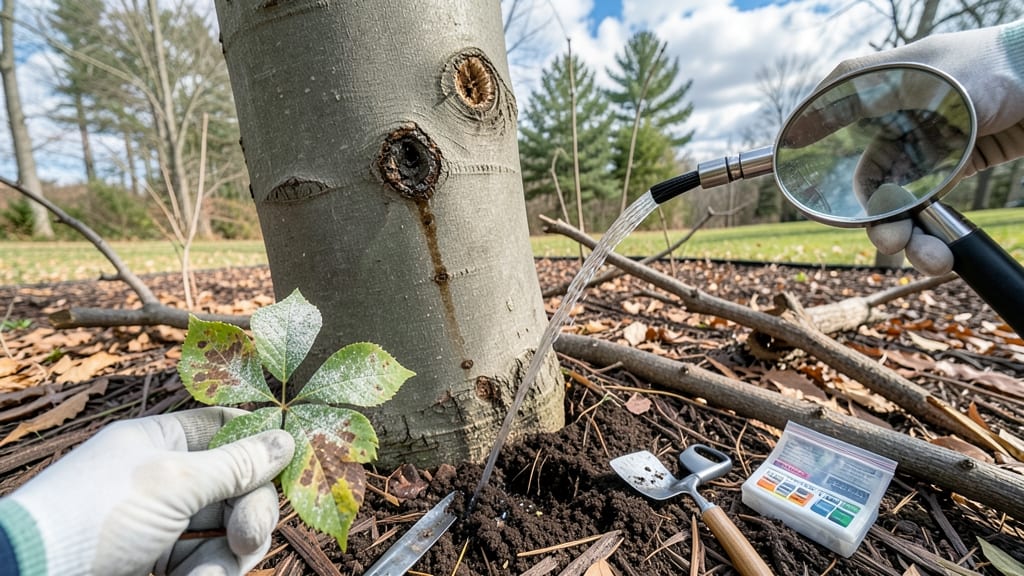
Why is my dogwood tree dying? That once-vibrant tree might be silently screaming for help—yellowing leaves, bare branches, or sudden wilting all signal trouble. 🌳 The good news? Most dogwood decline stems from five fixable issues before it’s too late, and I’ll walk you through diagnosing them like a pro. Start by checking the roots, bark, and foliage—each tells a different story. Powdery spots on leaves? Likely fungal disease. Holes in stems? Borer beetles. Or maybe it’s overwatering, poor drainage, or winter sunburn stressing it out. The key is acting fast: some fixes take weeks, others just a few tools and a weekend afternoon. You’ll learn to revive your tree with targeted solutions—whether it’s pruning dead branches, adjusting watering, or applying organic fungicides. By the end, you’ll spot early warning signs before they become full-blown crises. Let’s save your tree before it’s too late.
Dogwoods are tougher than they look, but they need the right care to bounce back. Overwatering is the #1 killer—soggy roots suffocate them, while drought stress shows as crispy edges. Check the soil: it should feel like a damp sponge, not a swamp.
If your tree’s bark looks cracked or oozing sap, it might be bacterial infection or canker disease, both spreadable if ignored.
Pests like dogwood borers or scale insects leave behind sawdust-like frass or sticky sap. Scrape a small section of bark—if you see tunnels or tiny bumps, act now. A neem oil spray or beneficial nematodes can stop the damage before it spreads.
Even environmental stress (like sudden shade changes) can weaken trees, so observe what’s different this season.
When in doubt, consult a local arborist—some issues (like root rot or advanced disease) need professional help. But with most problems, early action is all it takes to nurse your dogwood back to health. The sooner you diagnose, the sooner you’ll see new buds forming next spring.
Root Causes Behind Tree Decline
Dogwood trees (Cornus florida) are beloved for their stunning spring blooms and lush foliage, but when they start to decline, the reasons often trace back to a few key issues.
Understanding these underlying causes is the first step to revival. Let’s break down the most common culprits—each with a scientific twist—and what your tree is silently screaming for help.
Dogwoods are finicky about their surroundings. If planted in the wrong spot, they’ll struggle even if you’re giving them perfect care. These trees thrive in partial shade (4–6 hours of sunlight daily) and well-draining, slightly acidic soil (pH 4.5–6.0). Push them outside their comfort zone, and stress sets in.
- Too much sun: In hot, southern climates, full sun can scorch leaves, leading to chlorosis (yellowing between leaf veins) and weakened growth. Dogwoods native to the Southeast evolved under forest canopies—they’re not desert survivors.
- Poor drainage: Soggy roots suffocate the tree, inviting Phytophthora (a water mold) and root rot. Dogwoods hate "wet feet." If your soil feels like a sponge that never dries, amend it with organic matter (compost or pine bark) to improve aeration.
- Compacted soil: Heavy foot traffic or clay soil restricts root expansion. Roots need oxygen—compacted soil strangles them. Core aeration (drilling small holes in the soil) can help.
💡 Pro Tip: If your dogwood is in a lawn, consider mulching with 2–4 inches of wood chips (keep mulch away from the trunk) to regulate soil temperature and moisture. Avoid grass, which competes for water and nutrients.
Dogwoods are prime targets for pathogens, especially in humid climates. Fungal and bacterial diseases often start subtly—yellow spots, wilting, or odd growths—before progressing to cankers (sunken, dead patches on bark) or leaf blight. Here’s what’s likely attacking your tree:
| Disease | Symptoms | Cause | Fix It |
|---|---|---|---|
| Powdery Mildew | White, powdery coating on leaves; stunted growth | Fungal spores thrive in high humidity + poor airflow | Prune for airflow; apply neem oil or sulfur spray (early morning/evening to avoid leaf burn) |
| Anthracnose | Dark, sunken spots on leaves; premature leaf drop | Fungus spread by rain and overhead watering | Remove infected leaves; water at the base (never overhead); fungicide with chlorothalonil if severe |
| Bacterial Leaf Scorch | Brown, crispy leaf edges; wilting despite water | Bacteria (Xylella fastidiosa) clogs xylem vessels (tree’s water pipes) | No cure—remove severely infected trees to prevent spread; improve soil health to boost resistance |
🌡️ Critical Note: If you see oozing cankers or mushroom-like growths at the base, your dogwood may have cytospora canker or armillaria root rot—advanced cases often require removal to save nearby plants.
Dogwoods are a buffet for pests, especially borers, scale insects, and spider mites. These critters don’t just nibble—they inject toxins, disrupt nutrient flow, and create entry points for diseases. Watch for these red flags:
- Dogwood Borers: Tiny, brown larvae tunnel into bark, causing oozing sap and sawdust-like frass. Adults lay eggs in cracks or wounds—so pruning wounds must be sealed with pruning paint.
- Scale Insects: These armored pests suck sap, causing sticky honeydew (leading to sooty mold). Look for white/brown bumps on stems. Treat with horticultural oil in dormant season.
- Spider Mites: Tiny yellow specks on leaves? Check the undersides for fine webbing. Mites thrive in dry, dusty conditions—mist leaves or use water blasts to dislodge them.
🔥 Emergency Action: If you spot borer exit holes (D-shaped holes in bark), inject systemic insecticide (like imidacloprid) into the trunk immediately. For scale, scrub infested branches with soapy water.
Dogwoods are light feeders, but they still need micronutrients to stay vibrant. Yellowing leaves? That’s often a cry for help. Here’s how to decode the clues:
| Symptom | Likely Deficiency | Solution |
|---|---|---|
| Yellow leaves (new growth) + weak stems | Nitrogen (N) | Apply slow-release fertilizer (10-10-10) in early spring |
| Yellow between veins (chlorosis) | Iron (Fe) or Magnesium (Mg) | Add chelated iron or Epsom salt (for Mg) to soil |
| Purple-tinged leaves | Phosphorus (P) | Use bone meal or rock phosphate in fall |
| Stunted growth + small leaves | Potassium (K) or Zinc (Zn) | Apply wood ash (K) or zinc sulfate per package instructions |
✨ Soil Test First: Before fertilizing, test your soil’s pH and nutrient levels ($15–$25 via local extension offices). Dogwoods prefer acidic soil (pH 4.5–6.0)—if yours is alkaline, amend with sulfur or pine needles.
Dogwoods heal slowly, and aggressive pruning or wounds can invite disease or stress. Common mistakes:
- Over-pruning: Removing more than 25% of foliage at once stresses the tree. Dogwoods rely on leaves for energy—prune only in late winter/early spring
Revive Your Dogwood Tree Now
If your dogwood tree is struggling, don’t panic—most issues are fixable with the right approach. Below, we break down the most common causes of decline and provide step-by-step solutions to nurse your tree back to health. Prevention tips are included to keep your dogwood thriving for years to come.
Dogwood trees hate soggy roots. If the soil stays waterlogged, root rot sets in, cutting off nutrients and oxygen. Here’s how to save it:
- 🔥 Stop Watering Immediately
- Let the top 2–3 inches of soil dry out before watering again. Stick your finger in the soil—if it’s damp, wait.
- 🍳 Improve Drainage
- Amend heavy clay soil with compost or sand (50/50 mix) to help water drain faster.
- If planted in a low spot, consider raising the planting area with a mound of well-draining soil.
- 👨🍳 Prune Affected Branches
- Remove any blackened, mushy roots (if you can see them) and sterilize pruners with rubbing alcohol.
- 🌡️ Mulch Properly
- Apply 2–3 inches of mulch (wood chips or bark) but keep it 6 inches away from the trunk to prevent moisture buildup.
💡 Pro Tip: Dogwoods prefer moist but well-drained soil—think "damp sponge," not "swamp."
Dogwoods are drought-sensitive. If the leaves are crispy, curling, or falling prematurely, your tree may be thirsty.
- 💦 Deep Watering Schedule
- Water 1–2 inches per week (more in extreme heat). Use a soaker hose or drip irrigation to deliver water slowly.
- 🥗 Soil Moisture Test
- Dig 6 inches deep—if the soil is bone-dry, your tree needs a deep soak (not just a quick sprinkle).
- 🌧️ Shade Relief (Temporary Fix)
- If your dogwood is in full sun, provide afternoon shade with a lightweight shade cloth (30–50%) until it recovers.
✨ Quick Fix: A slow-release granular fertilizer (like 10-10-10) can help revive weakened roots.
Yellowing leaves, black spots, or a white powdery coating? Fungal infections like anthracnose or powdery mildew are likely culprits.
- 🔪 Prune Infected Branches
- Cut off all diseased leaves and stems (sterilize pruners between cuts!). Dispose of them in the trash—not the compost.
- 🍎 Fungicide Treatment
- Spray with a copper-based fungicide (like Copper Soap) or neem oil every 7–10 days until new growth appears.
- 🌡️ Improve Airflow
- Thin out overcrowded branches and avoid planting dogwoods too close together.
- 💡 Prevention:
- Water in the morning (not at night) to reduce humidity.
- Avoid overhead watering—use a soaker hose instead.
Holes in leaves, sawdust-like frass, or sticky sap? Pests like dogwood borers or scale insects are likely attacking.
- 🔪 Handpick or Blast Off Pests
- For scale, spray with soapy water (1 tsp dish soap + 1 quart water).
- For borers, peel back bark to expose larvae and drown them in soapy water.
- 🍳 Beneficial Insects & Nematodes
- Release parasitic wasps (for borers) or beneficial nematodes (for grubs).
- 🌿 Organic Sprays
- Try horticultural oil or pyrethrin-based sprays (follow label instructions).
🎯 Long-Term Defense:
- Encourage natural predators like ladybugs and birds by planting companion flowers (e.g., dahlias, marigolds).
Yellow leaves, stunted growth, or weak stems? Your dogwood may be hungry for key nutrients.
Symptom Likely Deficiency Solution Yellow lower leaves Nitrogen (N) Apply balanced fertilizer (10-10-10) in early spring. Purple-tinged leaves Phosphorus (P) Use a bone meal or rock phosphate supplement. Weak, brittle stems Potassium (K) Add wood ash or greensand to the soil. Small, pale leaves Magnesium (Mg) Sprinkle Epsom salt (1 tbsp per gallon of water) every 2 weeks. 💡 Pro Tip: Test your soil (via a local extension office) before fertilizing—overdoing it can burn roots!
Dogwoods are sensitive to extreme conditions. If your tree is in full sun, compacted soil, or urban pollution, it may be struggling.
- 🌳 Find the Right Spot
- Partial shade (4–6 hours of sun) is ideal. If planted in full sun, provide afternoon shade temporarily.
- 🌡️ Protect from Wind & Heat
- Plant near a windbreak (like a fence or shrubs) to reduce stress.
- Mulch heavily (3 inches) to insulate roots in winter.
- 🚫 Avoid Soil Compaction
- If the soil is hard, aerate with a garden fork or add compost to improve structure.
With the right care, your dogwood can bounce back—even if it’s looking rough now. Start with the most likely cause, take action, and watch it recover! 🌿💚
Frequently asked questions
1Why are my dogwood tree's leaves turning yellow first on the lower branches?
This is often a sign of nutrient deficiency or root stress. Yellowing from the bottom up suggests the tree can't transport nutrients efficiently—common causes include compacted soil (restricting roots) or iron/magnesium deficiency. Test your soil and amend with chelated iron or Epsom salt if needed.
2Can I save a dogwood tree with blackened, mushy bark?
If the bark is blackened and oozing (signs of cytospora canker or bacterial infection), the tree may already be too far gone. Remove severely infected branches immediately and sterilize pruners. For early-stage cankers, apply copper fungicide and improve airflow around the tree. If mushrooms appear at the base, removal is often the safest option.
3How often should I water a struggling dogwood?
Dogwoods need consistent moisture—water 1–2 inches per week (more in extreme heat). Check soil moisture by digging 6 inches deep: if dry, give a deep soak. Avoid overhead watering (it spreads fungal diseases). Use a soaker hose at the base instead.
4Will pruning help a dying dogwood?
Pruning alone won’t revive a tree, but it can help reduce stress by removing dead/diseased branches. Focus on thinning out crowded growth to improve airflow and light penetration. Prune in late winter/early spring—never remove more than 25% of foliage at once. Always sterilize tools to prevent spreading disease.
5Is it too late to save my dogwood if it has no leaves at all?
Not necessarily! If the bark is still intact and the tree shows signs of life (like buds forming), it may just be dormant or nutrient-starved. Apply slow-release fertilizer (10-10-10) in early spring and monitor for new growth. If the trunk is cracked or oozing sap, consult an arborist—some issues (like borers) require immediate treatment.
- 🔥 Stop Watering Immediately