
Pests and Diseases
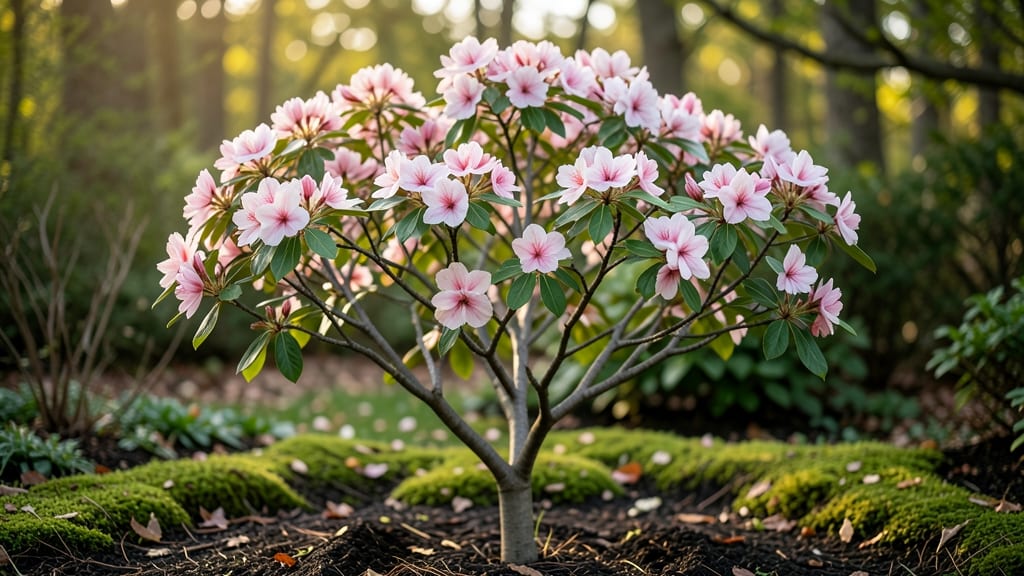
Pink-and-white dogwoods steal spring with their shockingly lush blooms that last weeks longer than most trees. 🌸 I planted mine near the patio after watching neighbors' dogwoods fade too fast—now it's the star of my shade garden, with blossoms that arrive right when azaleas are finishing.
The secret to their showstopping display? Placing them where they get morning sun and afternoon shade, paired with ferns and hostas that love the same conditions. Their horizontal branches create natural layers, while the pink-and-white bicolor blooms add depth that single-color dogwoods can't match.
You'll end up with a year-round garden anchor—spring flowers, summer shade, and fiery fall foliage that outshines most maples. The best part? They thrive in partial shade, making them perfect for understory plantings or woodland garden edges.
📚 In This Guide
- What you need
- Instructions
- Tips and common mistakes
- Wrapping up and next steps
What you need
- ● Garden gloves (2 pairs, nitrile-coated for durability)
- ● Pruning shears (1 pair, sterilized and sharp)
- ● Hand pruners (1 pair, for smaller branches)
- ● Loppers (1 pair, for thicker branches, 20-24" reach)
- ● Fungicide (1 quart, copper-based or neem oil-based)
- ● Insecticide (1 quart, horticultural oil or pyrethrin-based)
- ● Spray bottle (1, 16 oz with a fine mist nozzle)
- ● Garden hose with adjustable nozzle (1, for rinsing and watering)
- ● Disinfectant (1 bottle, 70% isopropyl alcohol or bleach solution)
- ● Plastic bags or containers (2-3, for collecting diseased leaves or pests)
- ● pH test kit (1, to monitor soil acidity)
- ● Soil amendments (1 bag, sulfur or peat moss for acid-loving dogwoods)
- ● Tree banding (1 roll, to protect trunks from pests like borers)
- ● Beneficial nematodes (1 packet, for organic pest control)
- ● Reflective mulch (1 roll, to deter pests like deer)
- ● Tree growth regulator (1 bottle, to manage overgrowth)
- ● Digital thermometer/hygrometer (1, to monitor microclimate)
- ● Camera or smartphone (1, to document pest/disease progression)
Step-by-Step guide for planting and caring for pink-and-white dogwood trees
Here’s how I ensure these stunning trees thrive and bloom spectacularly every season.
🌱 Step 1: Choose the Right Planting Location
Pink-and-white dogwoods (Cornus florida) need partial shade to full sun—at least 4-6 hours of morning sunlight and afternoon shade in hotter climates. I always plant mine where they’ll receive dappled light through nearby trees or on the eastern side of the house. Avoid deep shade; it weakens blooms and encourages leggy growth.
Check the soil pH before planting—dogwoods prefer slightly acidic to neutral soil (pH 5.0-7.0). Test your soil with a simple kit, and amend with sulfur or peat moss if needed. The root system thrives in well-draining, moist but not soggy soil, so avoid low-lying areas where water pools after rain.
🪴 Step 2: Plant at the Correct Depth and Spacing
Dig a hole twice as wide as the root ball but no deeper—this encourages roots to spread horizontally rather than settle too low. Loosen the sides of the hole with a shovel to prevent soil compaction around the roots. Place the tree so the top of the root ball sits just above ground level; dogwoods hate having their trunk buried, which can cause rot.
Space trees 15-25 feet apart for mature size, depending on the variety. I always plant mine 10-12 feet from structures or sidewalks to allow for future growth without crowding. Backfill the hole with the original soil, tapping gently to remove air pockets, and water deeply to settle everything.
☀️ Step 3: Water and Mulch for Healthy Establishment
Water the tree deeply once a week for the first two years, providing 1-2 inches of water each time. Dogwoods are drought-sensitive, so I check soil moisture by sticking my finger 2 inches down—if it’s dry, it’s time to water. Avoid overhead sprinkling, which can spread fungal diseases like powdery mildew.
Apply 3 inches of organic mulch (like shredded bark or wood chips) around the base, keeping it 6 inches away from the trunk to prevent rot. Mulch retains moisture and regulates soil temperature, but never pile it against the bark. Replenish mulch annually to maintain its protective layer.
✂️ Step 4: Prune Strategically for Optimal Blooms
Prune dogwoods right after flowering, around late May to early June, to avoid cutting off next year’s blooms. Remove dead, diseased, or crossing branches first, then thin out crowded areas to improve airflow. I never prune more than 25% of the canopy in one season—this keeps the tree strong and encourages vigorous blooming.
Watch for suckers (shoots growing from the base) and remove them immediately—they drain energy from the main tree. If a branch grows too large or becomes misshapen, prune it back to a healthy lateral branch just outside the branch collar. Sterilize pruning tools with rubbing alcohol between cuts to prevent disease spread.
⏰ Step 5: Monitor for Pests and Seasonal Care
Dogwoods are prone to borers and anthracnose fungus, so I inspect trees monthly during growing season. Look for sawdust-like frass (borer droppings) or dark spots on leaves (fungus). Treat borers with beneficial nematodes and fungal issues with copper fungicide as needed. Healthy trees are less susceptible, so proper watering and mulching go a long way.
In late fall, apply a 2-3 inch layer of mulch and water deeply before the first frost. Dogwoods enter dormancy in winter, but consistent moisture helps roots establish before cold sets in. Avoid heavy pruning in winter—it stresses the tree and invites disease.
Tips & tricks for perfect pink-and-white dogwood blooms
These insider secrets will help you coax spectacular spring blossoms from your dogwood trees year after year.
Lighting Strategy: The 4-6 hours of morning sunlight mentioned in Step 1 is non-negotiable for vibrant blooms. I've found that positioning your dogwood on the eastern side of your property gives it that perfect balance of morning sun and afternoon shade, which is especially crucial in hotter climates. If you're planting near existing trees, look for those with open canopies that allow dappled light to filter through—this creates the ideal growing conditions.
Soil Preparation Secret: Before planting, I always go the extra mile by testing my soil's moisture retention capacity. Dogwoods hate soggy roots, so if your soil drains too quickly, mix in 20% compost by volume when backfilling the hole. This creates a perfect moisture balance that supports both root health and floral development. The slightly acidic to neutral pH range (5.0-7.0) is crucial—if your test shows lower than 5.0, add sulfur gradually over time rather than all at once.
Pruning Precision: When it comes to the late May to early June pruning window in Step 4, timing is everything. I mark my calendar for the first week after flowering when buds for next season are already forming. Watch for the blooms to fully fade and drop—this is your cue to prune. For larger branches, I make my cuts just outside the branch collar at a 45-degree angle, which promotes faster healing and prevents disease entry points. Sterilizing tools between cuts with rubbing alcohol is a small step that prevents fungal spread during the entire process.
Seasonal Care Calendar: The monthly inspections during growing season mentioned in Step 5 are where you catch problems early. I've created a simple checklist: 1) Check for sawdust-like frass on branches (borer sign), 2) Examine leaves for dark spots (anthracnose), 3) Look for web-like structures (mites). By late fall, I increase my mulch layer to 2-3 inches—this extra insulation helps protect roots during winter temperature fluctuations. The deep watering before frost is particularly important as it helps establish root systems for next year's growth spurt.
Pro Tips for Dogwood Tree Pink And White
- These insider secrets will help you coax spectacular spring blossoms from your dogwood trees year after year.
- Lighting Strategy: The 4-6 hours of morning sunlight mentioned in Step 1 is non-negotiable for vibrant blooms. I've f...
- Soil Preparation Secret: Before planting, I always go the extra mile by testing my soil's moisture retention capacity...
Frequently asked questions
Got questions about your pink and white dogwood trees? You’re not alone! Here are answers to the most common concerns—from timing to troubleshooting—so you can keep those stunning blooms thriving.
When do pink and white dogwood trees bloom?
Dogwoods typically bloom in late winter to early spring, with peak season varying by region. In the South, expect blooms as early as February, while Northern areas may see them in April or May. Early bloomers (like Cornus florida) often open first, followed by later varieties. Check your local frost dates to time pruning and pest control for optimal results!
Why are my dogwood leaves yellowing or curling?
Yellowing or curling leaves can signal pests (like dogwood borers or spider mites) or diseases (powdery mildew or anthracnose). Start by inspecting the undersides of leaves for webbing or spots. Prune affected branches, apply neem oil for pests, and ensure 6+ hours of sunlight to prevent fungal issues. If problems persist, test soil pH (ideal: 5.0–6.0) or consult a local arborist.
Can I plant a pink and white dogwood in full shade?
Dogwoods tolerate partial shade (4–6 hours of sun daily) but thrive best with morning sun and afternoon shade. Full shade may reduce blooms and weaken the tree over time. If planting in shady spots, choose ‘Cherokee Brave’ or ‘Rutledgemaster’ varieties, which are more shade-adaptive. Amend soil with compost to improve drainage—dogwoods hate soggy roots!
How long does it take for a dogwood tree to bloom after planting?
Patience is key! Young dogwoods (1–2 years old) may take 2–3 years to bloom after planting. Mature trees (5+ years) typically produce abundant flowers annually. To speed things up, plant bare-root saplings in early spring, water deeply 1–2 times weekly, and avoid heavy fertilizers (they prioritize foliage over flowers). Mulch with wood chips to retain moisture.
Are there alternatives to dogwoods with similar pink/white blooms?
If dogwoods aren’t your style, consider these low-maintenance, shade-tolerant bloomers:
- Serviceberry (Amelanchier): White/pink spring flowers, edible berries, and fall color.
- Fothergilla (Fothergilla gardenii): Fragrant white blooms and fiery fall foliage.
- Viburnum (Viburnum dentatum): Clusters of pink/white flowers and wildlife-friendly berries.
- Japanese Pieris (Pieris japonica): Early spring pink bells (great for acidic soil).
Wrapping up and next steps
The pink and white dogwood is a stunning centerpiece in any landscape, and with the right care, you can unlock its full potential! 🌸 By understanding its ideal bloom timing, soil needs, and pest prevention strategies, you’ll ensure vibrant, healthy blossoms year after year.
Whether you’re a seasoned gardener or just starting, these secrets make the process simple and rewarding.
Ready to transform your yard? Start by planting your dogwood in early spring—then monitor its progress with love and attention. Happy gardening! 🌱