
Pruning
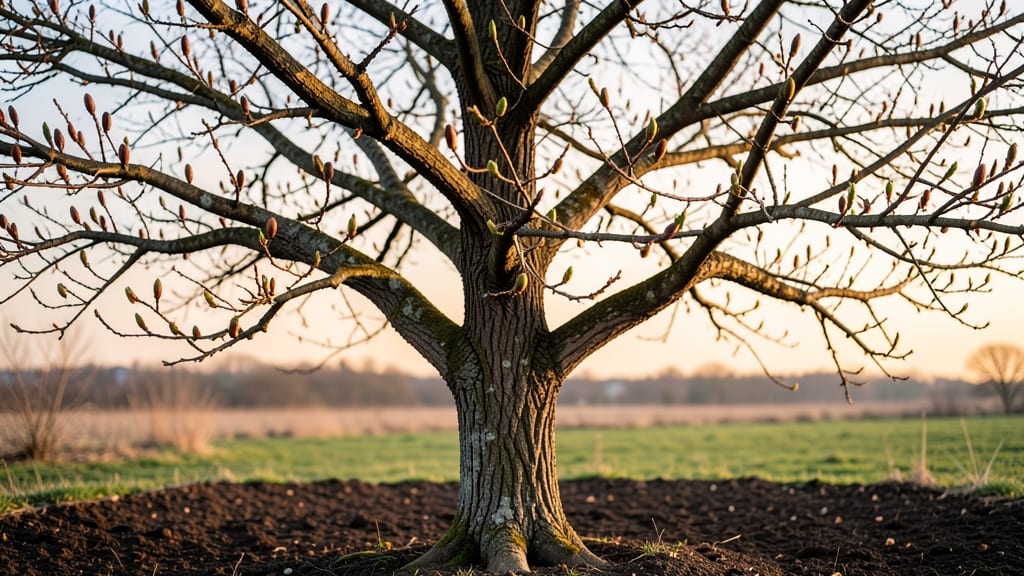
Those fuzzy walnut tree buds are the secret to next year's harvest. ✨ I’ve watched them transform from tight clusters to leafy canopies, and the dormant season is when you shape their future—before they even know spring’s coming.
Pruning now isn’t about cutting back; it’s about opening the canopy to sunlight and air, which turns those little buds into vigorous growth. The key is timing—wait until the tree’s fully dormant but before the sap starts rising in early spring.
One wrong cut, and you’ll stress the tree for months. You’ll see buds plump up by late winter, signaling it’s time to step back. A properly pruned walnut tree rewards you with thicker branches, more nuts, and fewer pests.
The buds themselves become sturdier, ready to burst into life when temperatures warm. Works for both young trees and mature giants—just adjust the tools. Here’s how to do it right without overcomplicating things.
📚 In This Guide
- What you need
- Instructions
- Tips and common mistakes
- Wrapping up and next steps
What you need
- ● Pruning shears: Bypass pruners (sharp, 6–8" blades) for cuts up to ½" thick.
- ● Loppers: Bypass or anvil type (18–24" handles) for branches ½"–2" in diameter.
- ● Pruning saw: Curved-tooth saw for branches 2"–4" thick (avoid bolt-cutters—they crush wood!).
- ● Ladder: Aluminum extension ladder (20–30 ft, rated for your tree’s height + 3 ft extra). Safety first!
- ● Gloves: Heavy-duty leather gloves (protect against splinters and sap).
- ● Disinfectant: 70% isopropyl alcohol or bleach solution (1 part bleach to 9 parts water) to sterilize tools between cuts.
- ○ Sealing wax or pruning paint: Optional but helpful for large cuts (>2" diameter) to prevent disease entry.
- ● Timing: Prune during dormant season (late fall/winter, before buds swell). Ideal temps: 40–50°F.
- ● Weather check: Avoid pruning if rain is forecasted within 24 hours (wet wood splinters easily).
- ● Safety gear: Safety glasses and ear protection (if using a chainsaw for very large branches).
- ● Cleanup supplies: Heavy-duty trash bags (for debris) and disposable rags (to wipe tools).
- ● Tree health assessment: Inspect for diseased or dead branches (brown, brittle wood) before starting.
- ● 🔥 Sharpen tools first! Dull blades tear wood, inviting pests and disease.
- ● ✨ Mark your cuts: Use chalk or tape to outline where you’ll prune before making the cut.
- ● 🌡️ Work in layers: Remove up to 25% of the tree’s canopy in one session to avoid stress.
How to prune walnut tree buds for healthier spring growth
Dormant season is the perfect time to shape your walnut tree—here’s how to do it right.
🌱 Step 1: Assess the Tree and Identify Target Branches
Start by examining your walnut tree while it’s dormant, between late winter and early spring before buds swell. Look for branches that cross or rub against each other, grow inward, or are dead, diseased, or broken. These are your priority targets for removal. I also check for branches thinner than a pencil—these often won’t produce strong growth.
Use a sharp pair of pruning shears to make small cuts on the branches you’ve identified. This lets you test their strength and see if they’re still alive inside (green indicates healthy wood). Mark the branches you’ll remove with a piece of twine or tape to avoid confusion later. Walnut trees respond best to gradual pruning, so never remove more than 25% of the canopy in one season.
✂️ Step 2: Make Clean Cuts at the Right Angle
When pruning walnut trees, always cut just outside the branch collar—the swollen area where the branch meets the trunk or another branch. This ensures the tree can seal the wound properly and prevents decay. Use a clean, sharp pruning saw for thicker branches (over 2 inches in diameter) and bypass pruners for smaller ones. Cut at a 45-degree angle just outside the branch collar to guide water runoff away from the wound.
Never leave stubs—this invites disease and weakens the tree. If you’re unsure where to cut, look for the slight swelling at the base of the branch. That’s your guide. For branches larger than 4 inches, make a second cut slightly above the first to avoid tearing the bark. This two-step method keeps the tree stable while you work.
☀️ Step 3: Thin the Canopy for Better Airflow and Sunlight
Walnut trees need good airflow and sunlight to produce strong buds and nuts. Focus on removing branches that block light from reaching the center of the tree. Start from the bottom and work your way up, removing branches that grow straight upward or inward. These branches compete for resources and can lead to weak, crowded growth. Aim to open up the canopy so light reaches at least 6 feet into the center of the tree.
If you’re pruning a young walnut tree, prioritize removing suckers—those vigorous shoots that grow from the base or along the trunk. These drain energy from the main structure. Use a clean cut at the base to remove them completely. For mature trees, focus on thinning out 10-20% of the smallest branches first. This encourages stronger bud development in spring.
🪴 Step 4: Clean Up and Protect the Tree
After pruning, collect all the debris and dispose of it properly—do not compost walnut tree branches, as they contain juglone, a chemical that can harm other plants. Burn or trash the clippings to prevent spreading disease or pests. Next, apply a tree sealant to larger wounds (over 2 inches wide) to protect the tree from decay and insects. For smaller cuts, the tree’s natural healing process will take over within a few weeks.
Water the base of the tree deeply after pruning to help it recover. Mulch around the drip line (the edge of the tree’s canopy) with 2-3 inches of organic mulch, like wood chips, to retain moisture and regulate soil temperature. Keep the mulch 6 inches away from the trunk to prevent rot. This step sets your walnut tree up for strong bud development once spring arrives.
Tips & tricks for pruning walnut tree buds
Between us, pruning walnut trees feels like giving them a fresh start—here's how to do it right without stressing the tree.
Timing is Everything: I can't emphasize this enough—prune during late winter or early spring while the tree is still dormant but before buds begin to swell. This timing lets the tree heal before the growing season kicks in. If you miss this window, you risk stressing the tree when it's already gearing up for new growth.
Tool Selection Matters: Using the right tools makes all the difference. For branches over 2 inches thick, a clean, sharp pruning saw is non-negotiable—it prevents tearing that can introduce disease. For smaller branches, bypass pruners create cleaner cuts than anvil pruners. I always sterilize my tools with rubbing alcohol between cuts to prevent spreading any potential pathogens.
Visual Cues for Healthy Cuts: When making your cuts, look for the branch collar—the swollen area where the branch meets the trunk. This is your guidepost. Cut just outside this collar at a 45-degree angle to direct water away from the wound. For branches larger than 4 inches, making a second cut slightly above the first prevents bark from tearing, which can expose the tree to pests and disease.
Gradual Pruning Strategy: Never remove more than 25% of the canopy in one season—this is critical for tree health. Spread out heavier pruning over multiple years if needed. I like to focus on removing dead, diseased, or crossing branches first, then thin out the canopy gradually. This approach ensures your tree has the energy to recover and produce strong buds for next season's harvest.
Pro Tips for Walnut Tree Buds
- Between us, pruning walnut trees feels like giving them a fresh start—here's how to do it right without stressing the...
- Timing is Everything: I can't emphasize this enough—prune during late winter or early spring while the tree is still ...
- Tool Selection Matters: Using the right tools makes all the difference. For branches over 2 inches thick, a clean, sh...
Frequently asked questions
Got questions about pruning walnut tree buds during dormancy?
Here are the most common ones—plus clear, actionable answers to help you prep for a thriving spring.
When is the best time to prune walnut tree buds?
The ideal window is late winter or early spring before buds swell (typically January–February in most U.S. zones). Pruning at this stage minimizes stress and disease risk while encouraging vigorous new growth. Avoid pruning in fall—it can leave wounds vulnerable to fungal infections.
Can I prune walnut tree buds if they’re already swollen?
Pruning swollen buds (late winter/early spring) is riskier but sometimes necessary for safety or structural fixes. If you must, do it early in the season and keep cuts clean. However, swollen buds signal the tree is waking up—delay pruning until next dormant season if possible.
What’s the difference between pruning walnut buds vs. mature branches?
Bud pruning focuses on selective thinning to improve air circulation, while mature branches require structural cuts to remove deadwood or reshape the canopy. For buds: target water sprouts or crowded clusters. For branches: use the 3-cut method for larger limbs to avoid bark tearing.
Why are my walnut tree buds dying after pruning?
Bud dieback often stems from over-pruning (removing >25% of foliage), poor timing (pruning too late), or disease (like bacterial blight). If buds blacken, check for fungal signs (moldy growth). Sterilize tools with rubbing alcohol and avoid pruning wet buds to prevent spread.
Are there alternatives to pruning walnut buds?
If pruning feels overwhelming, try selective thinning (removing only the worst offenders) or natural shaping by guiding growth with strategic branch removal. For young trees, focus on removing competing leaders to strengthen the main trunk. Mulching and deep watering also support bud health without tools!
Wrapping up and next steps
Pruning your walnut tree buds during dormancy isn’t just about aesthetics—it’s a power move for next year’s harvest!
By removing dead wood, shaping the canopy, and encouraging air flow, you’re setting the stage for healthier, more productive growth. 🌱 With the right tools, timing, and technique, you’ll turn winter prep into spring success.
Ready to take action? Grab your pruners and schedule that pruning session before buds swell in late winter. Watch your walnut tree thrive—and maybe even reward you with extra nuts! 🌳✨