
How To
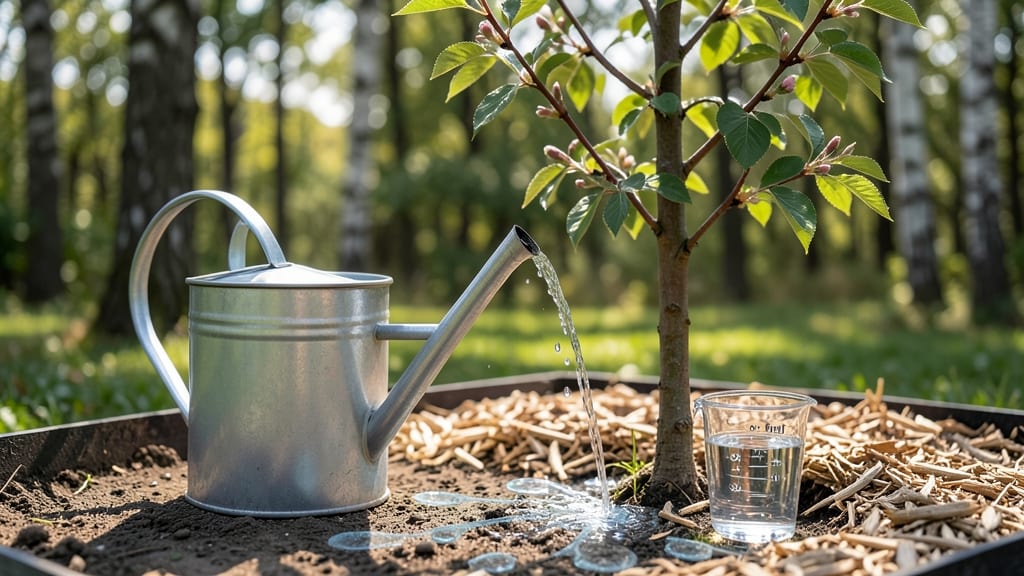
A cherry tree 🍒 needs 1 to 2 inches of water per week once established, but young trees and hot summers demand far more precision to avoid stress or disease.
Picture this: you’ve spent months nurturing your 🍒 cherry tree, only for it to wilt under the summer sun or develop fungal spots from soggy soil. The key isn’t just how much water—it’s when and how you deliver it.
From deep watering in spring to light touches in winter, your tree’s needs shift with the seasons. Below, I’ll break down the exact schedule for young vs. mature trees, plus how to spot over- or under-watering before it’s too late.
You’ll leave here with a seasonal watering plan tailored to your climate, soil type, and tree age—so you can enjoy healthy growth and sweet harvests every year.
Seasonal watering requirements for cherry trees by age and type
Watering your cherry tree correctly is the key to thriving growth and bountiful harvests. Unlike drought-hardy trees, cherries need consistent moisture—especially when young—but overwatering can suffocate roots. The challenge?
Balancing seasonal needs while accounting for tree age and whether you're growing sweet cherries (like Bing or Rainier) or sour cherries (like Montmorency). Let's break it down by stage and variety so you can tailor your watering schedule like a pro.
Young cherry trees (1-3 years old) are the most vulnerable to water stress. Their shallow root systems can't reach deep moisture, making them prone to wilting or root rot if watered improperly.
Mature trees (4+ years old) are more drought-tolerant but still need regular deep watering during dry spells. Meanwhile, sour cherries tend to tolerate drier conditions slightly better than sweet cherries, which crave consistent moisture for optimal fruit development.
Here's the game-changer: a seasonal watering guide that adapts to your tree's age and type. Use this as your blueprint to avoid the two biggest mistakes—underwatering (which causes leaf scorch) and overwatering (which leads to fungal diseases like canker).
Spring is the most critical season for watering young cherry trees. As soon as buds swell in early spring, increase watering to 15-20 gallons weekly for sweet cherries and 10-15 gallons for sour varieties.
This encourages root expansion and supports flower development. I like to use a soaker hose placed at the tree's drip line to deliver water slowly and evenly, preventing runoff that wastes water.
Summer demands the most attention, especially in USDA Zones 7-9 where heat and drought stress trees. Mature sweet cherries need 30-40 gallons every 10-14 days, while young trees require more frequent watering (20-25 gallons every 5-7 days).
The key is deep watering—aim for moisture 12-18 inches deep. Stick a screwdriver into the soil; if it comes out clean, water again. If it's damp, wait.
Sour cherries are slightly more drought-tolerant than sweet varieties, but that doesn't mean they
Signs your cherry tree is overwatered or underwatered (and how to fix it)
Getting your cherry tree's watering just right can feel like walking a tightrope—too much or too little, and you'll see clear signs of distress. I've learned the hard way that yellowing leaves or wilting branches aren't just random bad luck; they're your tree's way of screaming for help.
The key is understanding the subtle differences between overwatered and underwatered stress, so you can adjust before permanent damage sets in.
Most gardeners make the mistake of assuming cherry trees love water, but these trees actually prefer consistent moisture rather than soggy roots. A mature cherry tree needs about 15-20 gallons of water every 7-10 days during peak growing season, but young trees (under 3 years) need even more frequent attention.
The real challenge? Your soil type and local climate can drastically change these numbers—sandy soil drains fast, while clay holds moisture for days.
⚠️ callout warning💧 How Much Water Does a Cherry Tree Need?
Young Trees (1-3 years): 20-30 gallons every 5-7 days in summer. Mature Trees: 15-20 gallons every 7-10 days. Always check soil moisture 2 inches deep—if dry, water deeply. Never let water pool at the base.
Warning: Overwatering causes root rot in just 3-5 days of saturation, while underwatering leads to leaf scorch and fruit drop within weeks.
One of the first visual signs of overwatering is mushy, dark brown roots when you gently dig near the base. If you notice yellow leaves that stay soft even when dry, or if the soil smells sour, your tree is drowning.
I once had a sweet cherry tree with leaves curling at the edges—turns out, the container had no drainage holes, and the roots were suffocating. The fix?
I repotted it immediately into well-draining soil with perforated pots and adjusted to watering only when the top 2 inches of soil felt dry.
Underwatered cherry trees, on the other hand, show crispy leaf edges and drooping branches that don't bounce back after watering. The leaves might also curl upward like a taco, and the fruit will shrivel on the branch.
I once saw a sour cherry tree's leaves turn brown and papery—a classic sign of thirst. The solution? Deep watering early in the morning (before 10 AM) to let the roots soak up moisture without evaporation.
For established trees, use a soaker hose to deliver water slowly to the root zone.
Don't forget to adjust your watering schedule based on weather patterns. During hot, dry summers, I water my mature cherry tree every 5 days, but in cool, rainy springs, I cut back to once every 10 days.
A simple soil moisture meter ($10 at any garden center) can save you from guesswork—just stick it 2 inches deep in the soil. If it reads dry, water; if it's damp, hold off. Mulching with 3-4 inches of wood chips also helps retain moisture and regulate soil temperature.
If you catch the problem early, most cherry trees bounce back surprisingly well. For overwatered trees, prune any mushy, blackened branches and improve drainage by adding coarse sand or perlite to the soil.
For underwatered trees, a deep soak followed by consistent watering (every 5-7 days in summer) will revive them. Remember, cherry trees are resilient—they'd rather be slightly thirsty than waterlogged.
With the right balance, you'll see vibrant green leaves, plump cherries, and a tree that thrives for decades. 🌱