
Pruning
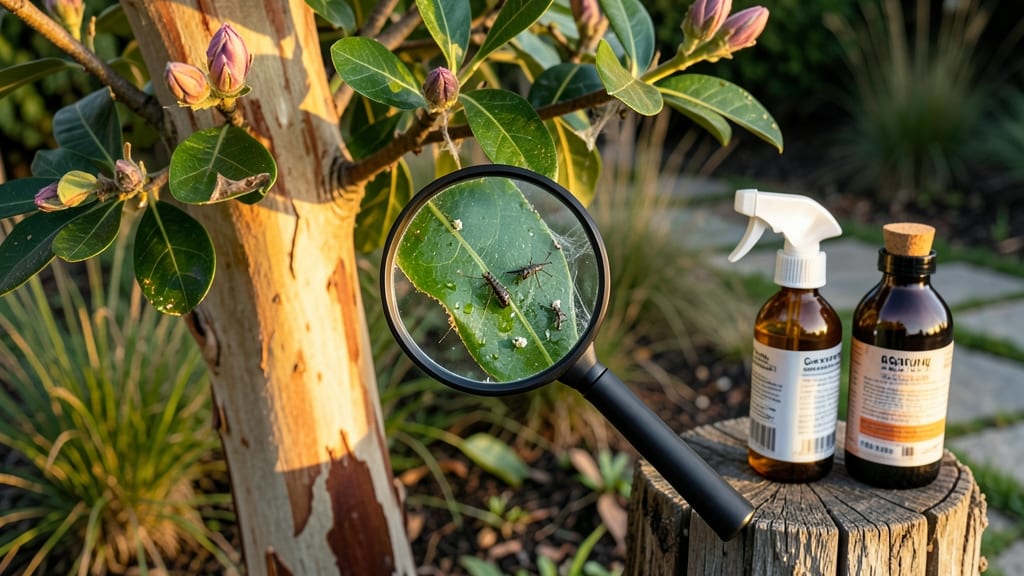
Your crepe myrtle’s sticky leaves and wilting branches aren’t just bad luck—they’re a sign of tree lice (likely scale insects) sucking the life out of your plant. 🌿 I’ve battled these pests on my own crepe myrtle, and the key is acting fast with the right treatment to revive that lush foliage before the damage spreads.
These tiny invaders leave behind a shiny, honeydew residue that attracts ants and promotes sooty mold, turning your tree’s leaves black and brittle. The good news?
You don’t need harsh chemicals to tackle them—simple, natural methods like neem oil sprays or horticultural oil can work just as effectively when applied correctly. My tree went from nearly bare branches to vibrant green in just a few weeks after treatment.
What you’ll achieve is a crepe myrtle that stays healthy, blooms prolifically, and resists future infestations. The process is straightforward: identify the pests, apply targeted treatments, and monitor your tree’s progress. With the right approach, you’ll see those leaves perking up and new growth emerging within 4-6 weeks.
Whether you’re dealing with a small patch of pests or a full-blown infestation, this guide covers organic and conventional solutions tailored specifically for crepe myrtles. Let’s get your tree back to its stunning, pest-free self!
Root Causes Of Tree Sap Suckers
Crepe myrtles are beloved for their vibrant blooms and lush foliage—but when tiny pests like aphids, scale insects, or whiteflies (often mistakenly called "lice") invade, they can turn your tree into a buffet of sticky sap and weakened growth.
Understanding why these sap-sucking insects target your crepe myrtle is the first step to reclaiming its health. Below, we break down the science-backed reasons behind these infestations, so you can address the root causes (literally and figuratively) and protect your tree long-term.
Healthy trees are like well-built fortresses—strong bark, plentiful leaves, and a robust immune system keep pests at bay. But when crepe myrtles face stress, they become prime targets for sap-sucking insects. Here’s why:
- Poor Soil Nutrition: Trees deprived of essential nutrients (like nitrogen, phosphorus, or potassium) produce weaker sap, which is easier for pests to access. Soil tests often reveal deficiencies in crepe myrtles planted in urban areas with compacted or nutrient-poor soil.
- Water Stress: Underwatering causes leaves to wilt and lose turgor pressure, making them more attractive to aphids and scale. Conversely, overwatering can create soggy roots, weakening the tree’s defenses. Aim for 1–1.5 inches of water per week, adjusting for rainfall.
- Competition for Resources: Overcrowded trees (from poor spacing or nearby structures) struggle to photosynthesize efficiently. This stress signals pests that the tree is vulnerable, prompting infestations.
- Drought or Heat Shock: Crepe myrtles are drought-tolerant but still suffer when temperatures spike above 90°F (32°C) for prolonged periods. Heat stress reduces sap flow, forcing pests to work harder—and making them more aggressive in their feeding.
💡 Pro Tip: Mulch around the base of your tree with 2–4 inches of organic mulch (like wood chips) to retain moisture, regulate soil temperature, and improve root health. Keep mulch 6 inches away from the trunk to prevent rot.
Once pests like aphids or scale insects arrive, they don’t just feed—they reproduce rapidly and create a feedback loop that worsens the problem. Here’s how their behavior turns your crepe myrtle into a pest magnet:
| Pest Type | How They Attract More Pests | Visible Signs |
|---|---|---|
| Aphids | Excrete honeydew (a sugary waste), which attracts ants, wasps, and sooty mold fungi. The mold coats leaves, blocking sunlight and further stressing the tree. | Sticky residue on leaves, black sooty mold, curled or yellowing foliage. |
| Scale Insects | Secrete wax-like coverings that protect them while disrupting the tree’s nutrient flow. Their honeydew also feeds secondary pests like mealybugs. | White, brown, or black bumps on stems/leaves, sticky leaves, ants "farming" them. |
| Whiteflies | Cluster on undersides of leaves, weakening photosynthesis. Their honeydew promotes sooty mold, creating a cycle of decline. | Tiny white moths fluttering when leaves are shaken, yellowing leaves, sticky film. |
🔥 Key Insight: These pests don’t just feed on your tree—they create an ecosystem that makes future infestations more likely. Breaking this cycle requires both removing the pests and restoring the tree’s health.
Not all crepe myrtles in your neighborhood suffer from pests—some thrive. The difference often comes down to local environmental factors that make your tree particularly appealing. Here’s what’s likely happening in your landscape:
- Lack of Beneficial Predators: Birds, ladybugs, and parasitic wasps naturally control sap-sucking pests. If your yard lacks diverse plantings (like marigolds, dill, or native wildflowers), these predators have fewer food sources and may avoid your crepe myrtle.
- Urban Heat Islands: Cities and suburbs often have higher temperatures than rural areas, accelerating pest reproduction. Crepe myrtles in paved or concrete-heavy areas experience more heat stress, making them easier targets.
- Watering Practices: Overhead irrigation (like sprinklers) can spread honeydew and pests to uninfested trees. Drip irrigation delivers water directly to roots, reducing pest spread.
- Previous Infestations: Pests like scale insects lay dormant eggs on tree bark or in soil. If your crepe myrtle was infested last year, those eggs may have hatched this season, explaining a sudden outbreak.
🌡️ Climate Connection: In southern states (where crepe myrtles thrive), warm winters mean pests don’t die off—they multiply year-round. If you’re in Zone 7–10, proactive monitoring in early spring is critical.
By identifying which of these factors apply to your crepe myrtle, you can target the root cause—not just the symptoms. The next step? Learn how to disrupt their life cycle naturally before they strip your tree of its vitality.
Natural Ways to Remove Tree Pests
If your crepe myrtle tree is under siege by tiny invaders, don’t panic—there are effective, eco-friendly ways to restore its health without harsh chemicals. Below, we’ve mapped out practical solutions tailored to the root causes of infestation, from physical removal to organic sprays.
Each method is designed to be easy to implement and gentle on your tree (and the planet!).
When pests are visible or clustered, manual intervention can make a big difference.
🍳 Prune Infested Branches
- Inspect first: Look for sticky residue (honeydew), curled leaves, or visible bugs (often black, gray, or white).
- Cut strategically: Use sterilized pruners to trim heavily infested branches at a 45-degree angle, just above a leaf node.
- Bag and dispose: Seal pruned branches in a plastic bag and toss them in the trash (not compost)—this prevents reinfestation.
> 💡 Pro Tip: Focus on new growth first, as pests often target tender leaves.
👨🍳 Blast Off with Water
- Garden hose attack: On a sunny day, spray the tree with a strong stream of water (use a nozzle) to dislodge pests.
- Repeat weekly: This works best for soft-bodied insects like aphids or scale, but may need 2–3 treatments for full eradication.
For stubborn infestations, natural sprays can break the pest cycle without harming beneficial insects.
🔪 Neem Oil: The All-Purpose Repellent
Neem oil disrupts insect life cycles and deters new arrivals.
Here’s how to use it: - Mix: 1 tbsp neem oil + 1 tsp horticultural oil + 1 tsp mild soap (like castile) per quart of water. - Apply: Spray thoroughly (top and bottom of leaves) in the early morning or evening (avoid direct sun). - Reapply: Every 7–10 days until pests are gone.
> ✨ Bonus: Neem oil also prevents fungal diseases, giving your tree double protection!
🌿 Soap Spray: A Simple Homemade Fix
A gentle soap solution suffocates pests on contact.
- Recipe: 1 tbsp dish soap (like Dawn) + 1 quart water.
- Test first: Spray a small leaf to ensure it doesn’t cause leaf burn.
- Apply: Focus on undersides of leaves where pests hide.
> 🎯 Warning: Avoid high-concentration soaps—they can damage foliage.
🍎 Diatomaceous Earth: The Silent Guardian
This powdery mineral dehydrates insects without harming plants.
- How to use: Lightly dust infested areas (especially branch crevices) on a dry, windless day.
- Reapply after rain: It loses effectiveness when wet.
The best defense is a strong, healthy tree with minimal pest attractants.
| Prevention Tip | How to Do It |
|---|---|
| Prune regularly | Remove dead/diseased branches in late winter to reduce hiding spots. |
| Encourage predators | Plant companion plants like marigolds or lavender to attract ladybugs and lacewings. |
| Water deeply | Deep, infrequent watering (1–2x/week) reduces stress, making trees less vulnerable. |
| Fertilize wisely | Use a balanced, slow-release fertilizer in early spring to boost resilience. |
| Monitor early | Check for honeydew or ants (they “farm” pests)—act fast if you spot them! |
If your tree is severely damaged (50%+ leaf loss) or pests keep returning, consult a certified arborist.
They can assess whether: - The infestation is beyond DIY fixes. - Your tree needs systemic treatment (like beneficial nematodes for soil-dwelling pests). - There’s an underlying issue (like root rot) making the tree susceptible.
Remember: Patience is key—consistent treatment (even 1–2 weeks) will revive your crepe myrtle’s vibrancy! 🌿💚
Frequently asked questions
What are those tiny white bugs on my crepe myrtle?
Those are likely scale insects or whiteflies, often mistaken for "tree lice." Scale insects appear as small white or brown bumps on leaves and stems, while whiteflies are tiny moth-like insects that flutter when you shake the tree. Both suck sap and leave behind sticky honeydew that attracts ants and promotes sooty mold.
How do I know if my crepe myrtle has a serious infestation?
Look for these red flags: sticky residue (honeydew) on leaves, black sooty mold coating foliage, yellowing or curling leaves, and visible pests (especially on new growth). If you see ants "farming" the pests or 50%+ leaf loss, it's a severe case requiring immediate treatment.
Will neem oil harm my crepe myrtle?
No, when used correctly, neem oil is safe for crepe myrtles. Always mix it with horticultural oil and mild soap (1 tbsp neem + 1 tsp each oil/soap per quart of water) and apply in the early morning or evening to avoid leaf burn from direct sunlight. Test a small area first to confirm your tree's tolerance.
Can I use chemical pesticides on my crepe myrtle?
Chemical pesticides can work but should be a last resort. If you choose this route, opt for systemic insecticides like imidacloprid (applied to soil) or horticultural oils (like dormant oil in winter). Always follow label instructions precisely and avoid spraying during blooming season to protect pollinators.
How often should I check my crepe myrtle for pests?
Inspect your tree every 2 weeks during growing season (spring-fall) and monthly in winter. Focus on new growth, undersides of leaves, and branch crevices where pests hide. Early detection makes treatment much easier and prevents infestations from spreading.