
Trees
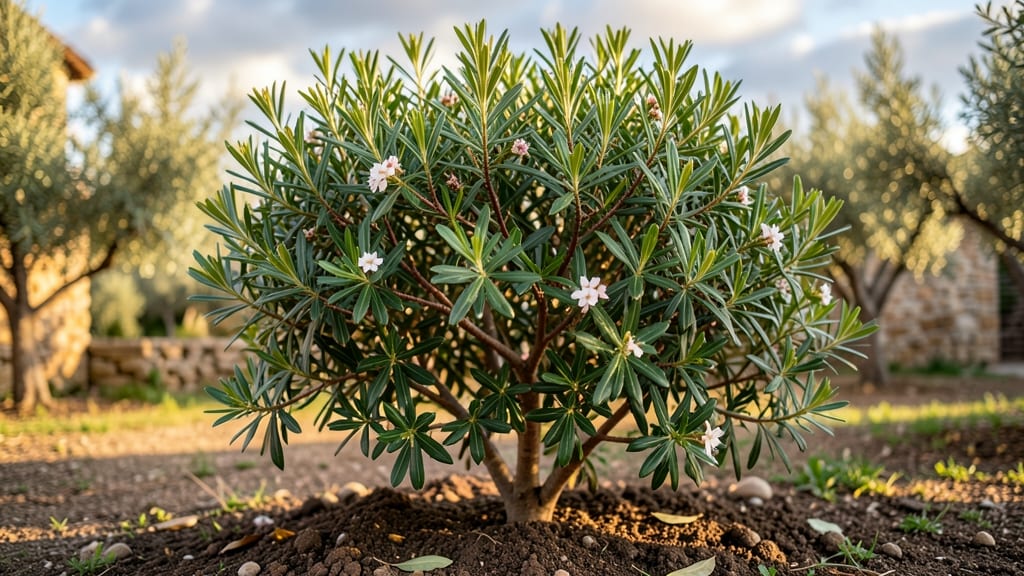
Myrtle tree leaves turn from lush green to a sad, patchy mess when you ignore their basic needs—water, light, and pruning. 🌿 I’ve seen healthy myrtles turn brown overnight because of one overlooked detail, and I’m here to fix that.
Start by checking your watering routine: too much or too little causes stress that shows up as yellowing or crispy edges. Then, inspect for pests like spider mites (tiny webs on undersides) or scale insects (brown bumps).
A simple spray of neem oil or insecticidal soap can turn things around fast.
Pruning isn’t just about shaping—it’s about airflow. Cut back dead or crowded branches in early spring, and you’ll see fresh, vibrant growth within weeks. The key is consistency: myrtles reward regular care with thick, glossy leaves that stay stunning all year.
📚 In This Guide
- What you need
- Instructions
- Tips and common mistakes
- Wrapping up and next steps
What you need
- ● Pruning shears: Bypass pruners (sharp, clean, and sterilized with rubbing alcohol). Size: 6-8" for medium branches.
- ● Loppers: For thicker branches (¼"–1" diameter). Look for: Ratcheting or bypass-style for precision.
- ● Hand saw: Curved-tooth pruning saw for stubborn branches (>1" diameter). Bonus: Lubricate blades for smooth cuts.
- ● Gloves: Heavy-duty gardening gloves (cut-resistant for safety). Pro tip: Waterproof if working in damp conditions!
- ● Disinfectant: 70% isopropyl alcohol or bleach solution (1 part bleach to 9 parts water) to sterilize tools between cuts.
- ○ Pruning sealant: Optional but helpful for large cuts (>½") to prevent disease. Recommended: Tree wound pruning paste.
- ● Extension pole: 6–10 ft telescoping pole with pruners for high branches.
- ● Ladder: Sturdy, non-slip ladder (rated for your height + tree height). Safety first: Always have a spotter!
- ● Trash bags: Heavy-duty bags (13-gallon or larger) for pruned leaves/branches.
- ● Notebook & pen: To sketch your tree’s shape or note pruning goals.
- ● Compost bin: For repurposing pruned leaves (great for mulch!).
- ● Timing: Prune in late winter or early spring (before new growth) for best results. Avoid pruning in extreme heat or cold.
- ● Weather: Choose a dry, overcast day to reduce stress on the tree and prevent fungal spread.
- ● Tree health check: Inspect for pests/diseases (e.g., spider mites, fungal spots) before pruning. Act fast: Treat issues pre-pruning if needed!
- ● Safety gear: Safety glasses (to shield from debris) and closed-toe shoes.
How to prune myrtle trees for healthy, year-round foliage
Pruning myrtle trees isn't just about shaping—it's about unlocking their natural beauty. Here's how to keep your plants lush and thriving through every season.
✂️ Step 1: Time Your Pruning for Optimal Growth
Prune your myrtle tree in early spring, just as new growth begins to emerge. This timing ensures you're cutting back before the plant puts its energy into flowering and leaf production. Avoid pruning in late fall or winter, as cold stress can weaken the plant. You'll know it's the right time when you see fresh, bright green buds forming along the branches.
If your myrtle needs light maintenance, you can also trim lightly in late summer to encourage a fresh flush of growth before fall. Just avoid heavy pruning then—it can stress the plant before winter. For most myrtles, a single early spring session is all you need to maintain shape and health.
✂️ Step 2: Use the Right Tools for Clean Cuts
Grab a pair of sharp, clean pruning shears—dull blades tear the bark and invite disease. I always disinfect my tools with rubbing alcohol between cuts to prevent spreading any hidden pathogens. For thicker branches, use bypass pruners or a small handsaw to avoid crushing the wood.
Make your cuts at a 45-degree angle, about ¼ inch above a leaf node or outward-facing bud. This angle helps water run off the cut and prevents rot. Avoid leaving stubs—myrtles heal better with clean, precise cuts. If you're shaping, step back occasionally to check your progress from all angles.
✂️ Step 3: Shape for Airflow and Light Penetration
Start by removing dead, diseased, or crossing branches first—these are your priorities. Dead wood is easy to spot: it's brittle, dark, and doesn't bend when you test it. Next, thin out the interior to let light reach the center of the plant. Myrtles can get leggy if they're too shaded, so aim for an open, airy structure.
For a natural look, prune to maintain the tree's natural shape rather than forcing a rigid form. You'll see the best results when you prune gradually—never take more than ⅓ of the foliage in one session. If you're unsure, err on the side of caution and leave a little more than you think you need.
💧 Step 4: Post-Pruning Care for Strong Recovery
After pruning, give your myrtle a deep watering to help it recover. Focus on the root zone, not the foliage, to encourage root growth. Mulch around the base with 2-3 inches of organic mulch (like wood chips) to retain moisture and regulate soil temperature. Keep the mulch a few inches away from the trunk to prevent rot.
Watch for new growth in 4-6 weeks—this is your sign that the pruning was successful. If you see yellowing leaves or wilting, it might mean you pruned too aggressively. Myrtles are tough, but they still need time to bounce back. Avoid fertilizing right after pruning; wait until new growth appears before adding nutrients.
☀️ Step 5: Monitor and Maintain Seasonal Health
Check your myrtle monthly during the growing season for signs of stress, pests, or disease. Myrtles are generally low-maintenance, but spider mites or scale can sometimes appear on the undersides of leaves. Treat infestations early with neem oil or insecticidal soap for best results.
In fall, remove any dead or diseased branches that may have accumulated over the year. This keeps the plant tidy and prevents overwintering pests. With proper pruning, your myrtle will reward you with vibrant, glossy leaves and a strong structure for years to come.
Tips & tricks for pruning myrtle trees like a pro
Transforming your myrtle into a lush, year-round beauty takes more than just wielding pruners—it's about timing, technique, and a little plant intuition. Here's what I've learned after years of shaping my own myrtles.
Timing is Everything: Those bright green buds in early spring are your signal to prune. I've learned the hard way that waiting until summer means you're cutting back just as the plant is putting energy into new growth. For light maintenance, late summer works too—but never more than ⅓ of the foliage at once. Think of it like a haircut: you wouldn't shave your head bald in one session, right?
Tool Prep Prevents Problems: Before you make a single cut, disinfect your pruners with rubbing alcohol. I've seen too many gardeners skip this step and end up with infected branches. For thicker branches, bypass pruners are your best friend—they make clean cuts that heal faster. And remember, that 45-degree angle isn't just for looks—it helps water run off properly, preventing rot at the cut site.
Shape with Purpose: When thinning the interior, step back every few cuts to check your progress. Myrtles can get that "Christmas tree" look if you don't let light reach the center. Aim for an open, airy structure—this isn't about forcing a rigid shape, but maintaining the plant's natural form while encouraging airflow. You'll know you've done it right when you can see sunlight reaching all the way to the trunk.
Recovery Matters Most: That deep watering after pruning isn't optional—it's crucial for root growth. I always add 2-3 inches of organic mulch (wood chips work great) to help retain moisture. The key is keeping that mulch a few inches away from the trunk to prevent rot. Watch for new growth in 4-6 weeks—if you don't see fresh buds, you might have pruned too aggressively. Myrtles are resilient, but they still need time to recover.
Pro Tips for Myrtle Tree Leaves
- Transforming your myrtle into a lush, year-round beauty takes more than just wielding pruners—it's about timing, tech...
- Timing is Everything: Those bright green buds in early spring are your signal to prune. I've learned the hard way tha...
- Tool Prep Prevents Problems: Before you make a single cut, disinfect your pruners with rubbing alcohol. I've seen too...
Frequently asked questions
Got questions about harvesting, using, or caring for myrtle tree leaves? You’re not alone! Here are answers to the most common queries—from pruning tips to creative uses—so you can make the most of your myrtle tree year-round.
When is the best time to harvest myrtle leaves?
The ideal time to harvest myrtle tree leaves is just before flowering in early spring or after the first flush of new growth in late spring. Avoid harvesting during extreme heat or frost, as this can stress the plant. For culinary or medicinal use, younger leaves are more tender and flavorful!
How do I prune myrtle trees without harming them?
Prune myrtle trees in late winter or early spring before new growth begins. Use clean, sharp pruners to make cuts just above a leaf node or bud. Avoid over-pruning—remove no more than one-third of the foliage at a time. Always sterilize your tools with rubbing alcohol to prevent disease.
Can I use myrtle leaves as a substitute for bay leaves?
Myrtle leaves
make a fantastic substitute for bay leaves in cooking—they’re aromatic, slightly citrusy, and add depth to soups, stews, and marinades. Use them whole (remove before serving) or finely chopped for a stronger flavor. Just remember: myrtle is not the same as bay, so adjust quantities to taste!
Why are my myrtle leaves turning yellow or brown?
Yellowing or browning leaves can signal overwatering, underwatering, or nutrient deficiencies. Check the soil moisture—myrtle trees prefer well-draining soil and hate soggy roots. Brown edges often mean low humidity or salt buildup. Fertilize lightly in spring with a balanced, slow-release fertilizer if growth seems sluggish.
Are myrtle leaves toxic to pets or children?
While myrtle tree leaves are generally non-toxic, they can cause mild stomach upset if ingested in large quantities. Keep pets and kids away from chewing on fresh leaves. If you’re using them in cooking, ensure they’re cooked thoroughly to avoid any irritation. When in doubt, consult your vet or a healthcare professional.
Wrapping up and next steps
Mastering the art of pruning myrtle tree leaves isn’t just about keeping your garden tidy—it’s about nurturing year-round beauty and health for your tree. From understanding the right tools to timing your cuts, every step plays a role in shaping a thriving, picturesque myrtle.
With patience and practice, you’ll transform pruning from a chore into a rewarding ritual that enhances your outdoor space.
Ready to give your myrtle the care it deserves? Grab your tools, roll up your sleeves, and start pruning today! 🌿✂️ Your tree—and your garden—will thank you.