
Blooming
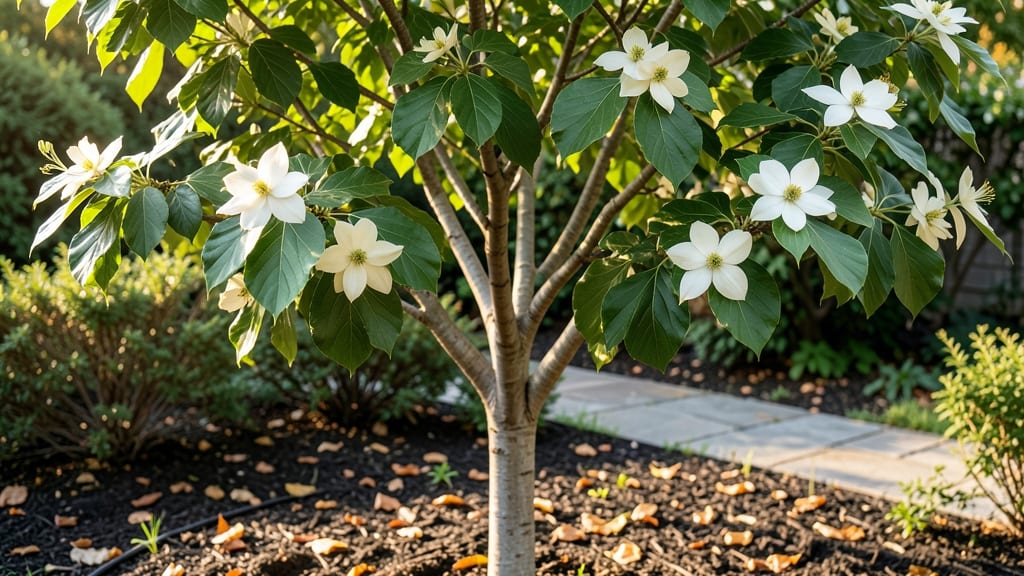
The dogwood tree blooming season unfolds in early spring 🌳, but the exact timing depends on your climate zone and the specific variety you’re growing.
If you’ve ever admired the stunning pink or white blossoms of a dogwood tree, you know timing is everything—miss the bloom, and you’ll wait another year for that breathtaking display. But when exactly should you expect those show-stopping flowers to appear?
The answer varies by region: in USDA Zone 6a, like much of the Midwest, blooms typically arrive in late April or early May, while warmer zones like Florida see them as early as February. Even within a single state, microclimates can shift the window by weeks.
Below, I break down the month-by-month blooming schedule for your zone, plus the care tips that ensure your dogwood puts on its best show year after year.
Dogwood tree blooming season by USDA climate zones: month-by-month guide
Dogwood trees are famous for their springtime spectacle, but the exact timing of those showy blossoms varies dramatically depending on your USDA climate zone. In cold zones (3-5), blooms may wait until late April or May, while warmer zones (8-9) can enjoy flowers as early as February.
Understanding these patterns helps you plan your garden and avoid disappointment when the blooms don’t appear on schedule.
Temperature plays a critical role in triggering flowering. Most dogwoods need chill hours (below 45°F) to set buds, but heat spikes can force early blooming in mild winters. For example, Pacific Northwest dogwoods often bloom weeks earlier than those in the Southeastern US due to cooler maritime climates.
Microclimates—like urban heat islands or sheltered valleys—can also shift bloom windows by 1-2 weeks.
In USDA zones 3-4, dogwoods often bloom in late May or June when daytime temperatures consistently reach 50°F or higher. These late bloomers are adapted to shorter growing seasons and may produce smaller flowers compared to their southern counterparts.
If you live in these zones, protect young trees from late spring frosts, which can damage delicate buds.
Zones 5-6 experience the most predictable bloom windows, typically between mid-April and mid-May. This range aligns with the average last frost dates in most temperate regions.
For example, Chicago (Zone 5) dogwoods often bloom around April 20th, while Atlanta (Zone 7) trees may start as early as March 15th. Pacific Northwest varieties in Zone 6 can bloom 2-3 weeks earlier due to cooler, wetter springs.
Warmer zones like 7-8 see dogwoods burst into bloom as early as March, sometimes even in late February in Zone 8. These trees thrive in mild winters and may produce larger, more abundant flowers.
However, heat waves before blooming can stress the tree, reducing flower quality. In Southeastern US climates, dogwoods often bloom alongside redbuds and magnolias, creating a stunning spring display.
In the deep south (Zone 9), dogwoods may bloom as early as February, sometimes even in January in coastal areas. These trees are often heat-tolerant varieties like ‘Cherokee Brave’, which can handle hotter summers better than traditional cultivars.
However, prolonged heat during bloom can cause flowers to wilt or drop prematurely. Mulching and consistent watering help maintain bloom health in these climates.
Microclimates can shift bloom times by 1-2 weeks. For example, a dogwood in a sheltered valley may bloom 2 weeks earlier than one on a sun-exposed hillside. Urban areas with heat islands can also advance bloom times by 10-14 days.
To account for these variations, observe local dogwoods in your neighborhood or consult your local cooperative extension service for precise bloom forecasts.
If your dogwood isn’t blooming on schedule, check these common issues: insufficient chill hours, over-fertilizing with nitrogen, or poor pruning practices. Young trees may take 3-5 years to bloom after planting, so patience is key.
For established trees, late winter pruning (just after bloom) encourages stronger flower production the following year.
To extend your dogwood’s bloom season, choose varieties with staggered flowering, like ‘White Winterhawk’ (which blooms in late winter) or ‘Florida Pink’ (which blooms in
How to predict your dogwood’s exact blooming window (without guessing)
Predicting when your dogwood tree will bloom isn’t just luck—it’s science. By tracking last frost dates, cumulative chill hours, and your tree’s maturity stage, you can narrow down the bloom window to within a few weeks.
This method works for both flowering dogwoods (Cornus florida) and Pacific dogwoods (Cornus nuttallii), so let’s break it down step by step.
Start by checking your USDA hardiness zone. Dogwoods typically bloom in late April to early May in zones 6-7, but in warmer zones like 8-9, blooms may appear as early as March or stretch into June.
The key is understanding how cold temperatures trigger dormancy and when your tree “wakes up” to bloom.
5 Key Factors to Predict Bloom Time
- 🌡️ Cumulative Chill Hours: Dogwoods need 500-1,000 hours below 45°F to bloom. Track winter lows using a weather station or local Cooperative Extension Service data.
- ❄️ Last Frost Date: Blooms usually appear 2-4 weeks after the last 32°F frost. Use the National Oceanic and Atmospheric Administration (NOAA) frost maps for your area.
- 🌱 Tree Maturity: Young dogwoods (under 5 years old) may bloom 2-3 weeks later than mature trees. Prioritize well-established trees for reliable blooms.
- ☀️ Spring Warming Trend: Consistent 50°F+ days signal blooming. Monitor daily highs—blooms often follow 3 consecutive warm days.
- 🌳 Pruning Timing: Prune after blooming (late May-June) to avoid cutting next year’s flower buds, which form in summer.
A common mistake is planting dogwoods too late in cold zones. If you’re in USDA zone 5 or colder, plant in early fall (September) to give roots time to establish before winter. In zones 7-9, spring planting (March-April) works best, but avoid summer heat stress.
To extend the bloom season, prune lightly in late summer (August-September) to encourage new growth. Avoid heavy pruning—it can reduce next year’s flowers. Mulch with 3 inches of organic matter (like shredded bark) to regulate soil temperature and moisture, which helps sustain blooms longer.
Pro tip: Use a garden journal to log bloom dates yearly. Over time, you’ll spot patterns—like how early spring rains might delay blooms by a week or how late frosts can damage buds. With these tools, you’ll go from guessing to predicting your dogwood’s bloom window like a pro.