
Pests and Diseases
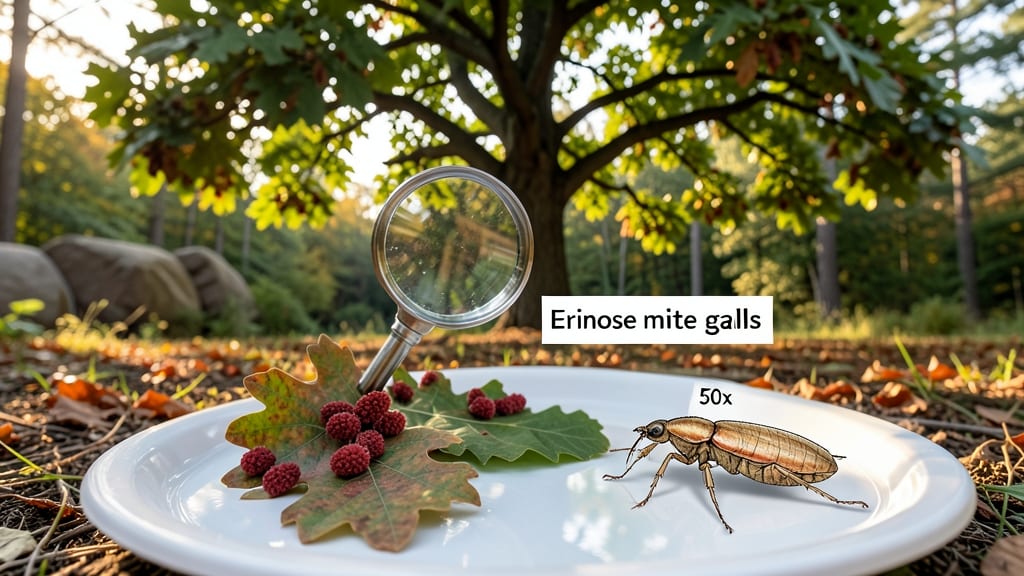
Those pesky red bumps on your tree leaves aren't just unsightly—they're a sign your tree is fighting something serious. 🌳 I've spent years diagnosing these spots, and I can tell you most gardeners panic before they even know the cause.
The good news? Most red bump issues have simple fixes once you identify the culprit—whether it's fungal spots, gall wasps, or environmental stress.
First, don't grab the strongest chemical spray yet. Many red bumps start as fungal infections (like anthracnose or cedar-apple rust) that thrive in damp conditions. Others could be gall wasps laying eggs or spider mites creating tiny feeding sites.
The key is examining the bumps closely—are they raised, powdery, or oozing? That tells you exactly what you're dealing with and which organic treatment will work fastest.
Once you know the cause, the fixes are surprisingly straightforward. For fungal spots, a 2% neem oil spray applied in the early morning stops the spread within 7-10 days.
Gall wasps? Prune out affected branches in late winter when they're dormant. And if it's environmental (like sun scald), simply watering deeply during dry spells prevents new bumps from forming.
Here's the thing—most red bump problems won't kill your tree if you catch them early. The worst mistake is ignoring them, thinking they'll go away. With the right approach, your tree can bounce back stronger than ever by next growing season. Let's get those leaves healthy again.
Root Causes Of Leaf Bumps
When you spot tiny red bumps on tree leaves, it’s usually a sign that something’s disrupting the plant’s normal growth—whether from microscopic invaders or environmental stress. Understanding the why behind these bumps is the first step to treating them effectively.
Below, we break down the most common culprits, their science-backed mechanisms, and how they manifest on foliage.
Fungi are the #1 reason for red bumps on leaves, often appearing as rust-colored pustules or scab-like lesions. These pathogens thrive in moist conditions and can spread rapidly if left unchecked.
- How it works: Fungal spores land on leaves, germinate, and penetrate the leaf surface. Inside the leaf tissue, they form specialized structures called haustoria, which suck nutrients from the plant. The red bumps you see are actually spore-producing pustules that burst open to release more spores.
- Key identifiers:
- Bumps often appear yellow-orange when young, turning rust-red or dark brown as they mature.
- Common on underleaves (the underside of leaves) before spreading to the top.
- Severe cases cause leaf curling, distortion, or premature drop.
- Most likely fungi:
- Rust fungi (Puccinia spp.) – Targets specific host plants (e.g., cedar-apple rust jumps between junipers and apples).
- Leaf rust (Hemileia vastatrix) – Affects coffee plants but can also infect shade trees.
- Powdery mildew (Erysiphe spp.) – While usually white, some strains develop reddish discoloration in severe infections.
💡 Pro Tip: Fungal bumps often ooze spores when wet—check leaves after rain for sticky residue.
Not all red bumps are fungal—some are plant galls, abnormal growths triggered by insects, mites, or even bacteria. These bumps are essentially the tree’s overreaction to irritants, creating a protective (but unsightly) barrier.
- How it works: Insects like gall wasps, aphids, or mites inject saliva or lay eggs into leaf tissue. The tree responds by producing extra cells around the intrusion, forming a hard, raised bump. The red color comes from increased anthocyanin production (a plant pigment triggered by stress).
- Key identifiers:
- Bumps are hard to the touch (unlike soft fungal pustules).
- Often round or irregular, sometimes with a central opening (where the insect emerged).
- Common on oak, maple, or willow trees.
- Common culprits:
- Oak apple gall (Amphibolips confluens) – Caused by a tiny wasp; bumps are woolly and red-brown.
- Rose rosette virus (RRV) – Spread by mites; causes red, thorny galls and stunted growth.
- Aphid galls – Small, reddish lumps on new shoots (often on fruit trees).
🔥 Warning: Some galls (like those from rose rosette virus) are highly contagious—prune infected branches immediately and sterilize tools.
Extreme heat, cold, or nutrient deficiencies can also trigger red bumps—not because of pests, but because the tree is under duress. These bumps are usually less defined than fungal or insect-related ones.
- How it works:
- Heat stress: High temperatures cause oxidative stress, leading to anthocyanin buildup (the same pigment that turns leaves red in fall).
- Cold damage: Freeze-thaw cycles can create ice crystal formation in leaf cells, rupturing them and causing reddish necrotic spots.
- Nutrient deficiency (especially magnesium or potassium): Leaves may develop interveinal reddening or bumpy texture as a stress response.
- Key identifiers:
- Bumps are patchy and irregular, not uniform.
- Often accompanied by yellowing (chlorosis) or wilting.
- New growth is stunted or deformed.
- Quick fixes:
- Adjust watering (drought-stressed trees are more vulnerable).
- Apply a balanced fertilizer (test soil first!).
- Mulch to regulate soil temperature and retain moisture.
✨ Key Difference: Environmental bumps don’t spread like fungal or insect galls—they’re a symptom, not an infection.
Overzealous use of pesticides, herbicides, or even well-meaning fertilizers can cause red bumps as a toxic reaction. These bumps are often crusty, scab-like, or blistered.
- How it works: Chemicals disrupt the cuticle layer (the leaf’s protective waxy coating), causing cell damage. The tree’s response? Overproduction of protective pigments (hence the red bumps).
- Common offenders:
- Excessive copper-based fungicides (can cause reddish-brown scabs).
- Misapplied glyphosate (drift can burn leaves, leading to bumpy necrosis).
- Over-fertilizing with high-salt or urea-based products.
- How to confirm:
- Bumps appear soon after treatment (within days).
- Symptoms are localized to sprayed areas.
- Leaves may crisp or drop prematurely.
🚨 Critical Action: If chemical injury is suspected, stop all treatments immediately and
Simple Fixes for Leaf Bumps
Now that you’ve identified the culprit behind those pesky red bumps on your tree leaves—whether it’s a stubborn fungal infection, a hungry pest, or environmental stress—it’s time to take action! The good news?
Most of these issues can be tackled with organic, budget-friendly solutions that restore your tree’s health without harsh chemicals. Below, we’ve mapped out cause-specific fixes and prevention tips to keep your greenery thriving.
If red bumps are part of a fungal infection (like anthracnose or rust), act fast to prevent spread.
🔥 Step 1: Remove the Problem Leaves
- How: Use sterilized pruners (wipe with rubbing alcohol) to snip off infected leaves and branches.
Dispose of them in a sealed bag or trash—do not compost to avoid reinfection. - Why: Fungi spread via spores, so removing the source stops the cycle.
🍳 Step 2: Apply a Fungicide Spray (Organic Options)
Choose one of these DIY or store-bought treatments: - Neem oil spray: Mix 1 tbsp neem oil + 1 tsp mild soap + 1 quart water.
Spray early morning or evening (avoid direct sun) every 7–10 days until symptoms fade. - Baking soda solution: Stir 1 tbsp baking soda + 1 tsp oil (to help it stick) + 1 gallon water.
Spray leaves undersides too (where spores hide). - Commercial organic fungicides: Look for copper-based sprays or potassium bicarbonate (like Safer® Garden Fungicide).
🌡️ Step 3: Improve Airflow and Light
- Thin out dense branches to let air circulate.
- Water at the base (not overhead) to keep leaves dry.
- Space trees properly (follow spacing guidelines for your species).
✨ Prevention Pro Tips
- Mulch correctly: Use 2–4 inches of organic mulch (wood chips, straw) but keep it away from the trunk to prevent moisture buildup.
- Water deeply but less often—fungi love soggy leaves!
- Clean up fallen leaves regularly to remove spore sources.
If red bumps are from mites, aphids, or scale insects, here’s how to evict them.
👨🍳 Step 1: Blast Off Pests with Water
- How: Use a strong hose spray (40–60 PSI) to dislodge pests from leaves. Do this early in the day so leaves dry quickly.
- Why: Many soft-bodied pests (like aphids) can’t survive a good soaking.
🔪 Step 2: Introduce Natural Predators
- Ladybugs, lacewings, or parasitic wasps eat pests like mites and aphids. Buy them online or attract them with native plants (like dill or yarrow).
- Birds help too! Install a bird feeder near your tree to encourage pest-eating birds.
🥘 Step 3: Spray Insecticidal Soap or Oil
- Insecticidal soap: Mix 2.5 tbsp castile soap + 1 quart water.
Spray directly on pests (avoid hot sun—it can burn leaves). - Horticultural oil: Apply dormant oil in late winter or summer oil in early morning to smother eggs and adults.
🎯 Prevention Pro Tips
- Inspect new plants before bringing them home (quarantine for a week if possible).
- Avoid over-fertilizing—soft new growth attracts pests.
- Use reflective mulch (like aluminum foil) around young trees to deter mites.
If red bumps are from heat, drought, or nutrient deficiency, tweak your tree’s environment.
💡 Step 1: Check Soil and Water
- Test soil moisture: Stick your finger 2 inches deep—if dry, water deeply. Drip irrigation is best for even moisture.
- Amend soil: If leaves are pale or stunted, add compost or a slow-release organic fertilizer (like fish emulsion).
🌿 Step 2: Shield from Harsh Conditions
- Heat stress? Provide afternoon shade with a lightweight cloth or plant heat-tolerant species nearby.
- Cold damage? Mulch heavily in winter and water before freeze to protect roots.
📊 Prevention Pro Tips
- Mulch properly: Use 3–4 inches of mulch (not against the trunk) to regulate soil temp.
- Monitor weather: Cover young trees during extreme heat waves or late frosts.
- Choose the right tree: Pick species native to your climate for natural resilience.
Remember: Consistency is key! Most fixes take 2–4 weeks to show results. Keep an eye on your tree, and don’t hesitate to consult a local arborist if problems persist. With a little TLC, your tree will be back to its lush, bump-free self in no time! 🌳💚
Frequently asked questions
Are red bumps on tree leaves always caused by pests or diseases?
Not necessarily! While fungal infections and insect galls are common causes, red bumps can also result from environmental stress like extreme heat, cold damage, or nutrient deficiencies. These stress-related bumps are usually less defined and often appear alongside yellowing or stunted growth. Always check for other symptoms like leaf curling or oozing to determine the true cause.
How can I tell if red bumps are fungal or caused by insects?
Fungal bumps are typically soft and often appear as rust-colored pustules that may ooze spores when wet, while insect galls are hard to the touch and may have a central opening where the pest emerged. Fungal spots often spread quickly, while insect galls tend to stay localized. Use a magnifying glass to examine the texture and structure of the bumps closely.
Will pruning infected branches help stop the spread of red bumps?
Pruning is one of the most effective ways to control fungal infections and insect galls. Always use sterilized tools and remove infected branches at least 6 inches below the visible damage to ensure you're cutting out the entire affected area. Dispose of pruned material in a sealed bag to prevent spores or pests from spreading to other plants.
Can I use store-bought fungicides on my trees?
Yes, but choose organic options like neem oil, copper-based sprays, or potassium bicarbonate to avoid harming beneficial insects and the environment. Always follow the instructions carefully, and consider mixing your treatment with a mild soap to help it stick better. For severe cases, consult an arborist to determine the best course of action for your specific tree species.
How long does it take to see improvement after treating red bumps?
With proper treatment, you should start seeing improvement within 2-4 weeks. Fungal infections often respond quickly to consistent spraying, while insect galls may take longer to resolve as the tree recovers. Monitor your tree regularly and continue treatments until the bumps disappear completely. Patience and consistency are key to restoring your tree's health!