
Trees
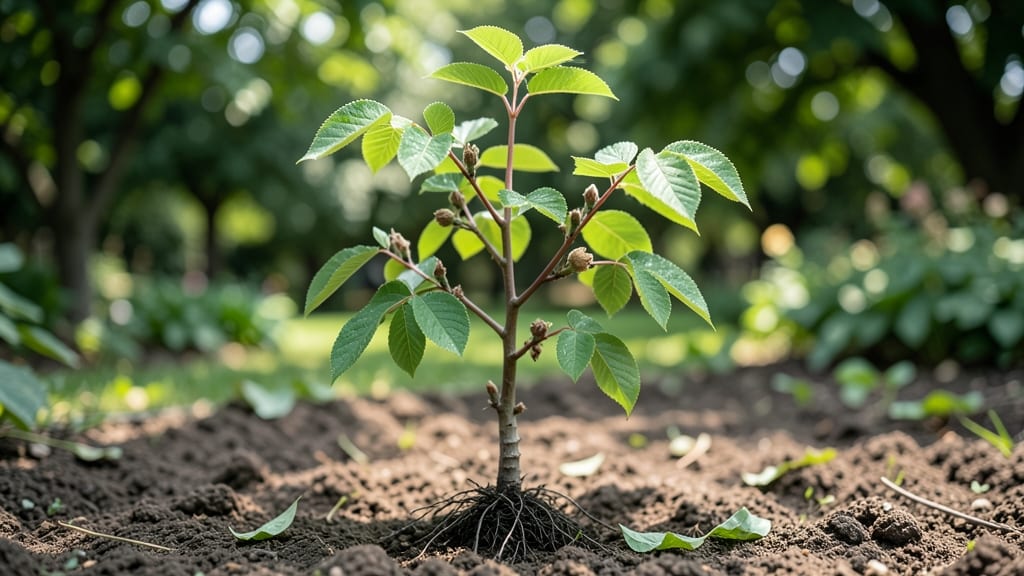
Those first delicate walnut tree leaves are your tree's future—handle them right, and you'll get a healthy, sturdy tree for decades. 🌱 I've pruned young walnut trees for years, and the key is timing: prune in late winter or early spring before new growth starts, and you'll encourage strong, disease-resistant branches.
Look for leaves that are vibrant green and free of spots or curl—they're a sign your tree is thriving. If you notice yellowing or stunted growth, it could mean overwatering or poor drainage. Walnut trees are tough once established, but young leaves need gentle care to avoid stress.
📚 In This Guide
- What you need
- Instructions
- Tips and common mistakes
- Wrapping up and next steps
What you need
- ● Pruning shears: Bypass pruners (sharp, 6-8" blades) for small branches (under ½ inch thick).
- ● Loppers: 16-24" bypass loppers for branches ½ to 1½ inches thick.
- ● Pruning saw: Hand saw with 8-10" blade for thicker branches (1½+ inches).
- ● Gloves: Heavy-duty, cut-resistant gloves (walnut sap can irritate skin!).
- ● Disinfectant: 70% isopropyl alcohol or bleach solution (1 part bleach : 9 parts water) to sterilize tools between cuts.
- ○ Tree wound sealant: Optional but helpful (e.g., Tanglefoot Tree Wound Pruning Sealer).
- ● Ladder or step stool: Sturdy, extendable (12-16 ft reach) for higher branches.
- ● Trash bags: Heavy-duty, 30-gallon size for debris disposal.
- ● Safety gear: Safety glasses, long sleeves, and closed-toe shoes.
- ● Marking twine or flags: For tagging branches to remove later.
- ● Mulch: Shredded bark or wood chips (2-3 inches deep) to protect roots post-pruning.
- ● Camera/phone: To document your tree’s progress before/after!
Instructions: pruning young walnut trees for lush, healthy leaves
Here's my go-to method for keeping young walnut trees strong and leafy—no guesswork, just clear steps.
🌱 Step 1: Time Your Pruning for Maximum Leaf Growth
Prune your young walnut tree in late winter or early spring, just as buds begin to swell but before new growth starts. This timing ensures you're not removing leaves the tree needs for photosynthesis during its active growing season. Walnut trees are sensitive to heavy pruning later in the year, so avoid cutting after June—you'll risk stunting new leaf development.
Look for tight, plump buds along the branches as your signal. These buds will become your new leaves, so you want to preserve as many as possible. If you miss this window, wait until fall (after leaves drop) for minimal stress on the tree.
✂️ Step 2: Remove Dead or Damaged Branches First
Start by scanning the tree for dead, diseased, or crossing branches—these are your top priorities. Dead branches are easy to spot: they're brown, brittle, and snap when you bend them. Diseased branches may have black spots, oozing sap, or unusual growths. Use clean, sharp pruning shears to make cuts just outside the branch collar (the swollen area where the branch meets the trunk).
Don't worry about removing leaves at this stage—focus on branches thicker than ¼ inch in diameter. Thinner branches can be pruned with hand pruners, while thicker ones need a pruning saw. Always cut at a 45-degree angle to prevent water from pooling and rotting the wound.
☀️ Step 3: Thin Out Crowded Branches for Better Leaf Exposure
Walnut trees grow best when their leaves get plenty of sunlight and air circulation. Look for branches that rub against each other or grow too close together—these compete for nutrients and leave gaps where leaves can't develop properly. Remove one of the two competing branches, cutting back to the branch collar. This opens up the canopy so light reaches the inner leaves.
Pay special attention to suckers (fast-growing, vertical shoots at the base of the tree). These drain energy from your main trunk. Snip them off at the base with pruners, but avoid tearing the bark. You'll see healthier leaf growth immediately after removing these energy thieves.
🌿 Step 4: Shape the Tree for Even Leaf Distribution
Step back and assess the tree's overall shape. Aim for a rounded, open canopy that allows sunlight to reach all leaves. Focus on reducing the height by no more than 25% in one season—walnut trees are slow to recover from heavy pruning. Remove branches that grow inward or downward, cutting them back to a lateral bud or branch that faces outward.
For young trees, prioritize removing water sprouts (thin, fast-growing shoots) and low-hanging branches that drag on the ground. These leave the tree vulnerable to disease and limit leaf production. After pruning, you should see a balance of horizontal and upward branches—this encourages even leaf distribution.
💧 Step 5: Clean Up and Monitor for New Leaf Growth
After pruning, collect and dispose of all cut branches (don't leave them on the ground—they can harbor pests). Sterilize your pruning tools with rubbing alcohol to prevent spreading disease. Water the tree deeply at the base to help it recover, but avoid wetting the fresh cuts—this can invite fungal infections.
Within 4-6 weeks, you'll see new leaves emerging from the pruned areas. Healthy growth looks like bright green, glossy leaves with no yellowing or browning. If leaves appear stunted or sparse, your tree may need additional nutrients—apply a balanced fertilizer in early spring to support new foliage.
Tips & tricks for pruning young walnut trees for healthy leaves
Here's what nobody tells you about pruning walnut trees—these tricks will help you avoid common mistakes and keep your tree thriving.
Timing is Everything: That late winter/early spring window is critical because walnut trees start their active growth cycle then. If you prune too early (when buds aren't swollen), you're cutting off potential leaves. If you wait until summer, you'll stress the tree and risk stunted growth. I always check for those tight, plump buds—when I see them, I know it's time. The 4-6 week recovery time mentioned is realistic, but you'll often see new leaves appearing in just 3-4 weeks if conditions are ideal.
Tool Prep Makes All the Difference: Before you even touch the tree, sterilize your pruning shears with rubbing alcohol. I learned this the hard way after transferring fungal spores from one branch to another. For branches thicker than ¼ inch, invest in a good pruning saw—it's worth the $20 to avoid tearing the bark. And here's a trick: wrap your pruning saw blade in a plastic bag before cutting thicker branches to catch resin and keep your tools clean.
Shape Matters More Than You Think: When shaping your tree, think of it like creating a dome. The goal is to let sunlight reach every leaf, not just the outer branches. I always remove branches that grow inward first—they block light and create dark, moist areas where diseases thrive. For young trees, don't be afraid to cut back water sprouts completely. These vertical shoots might look vigorous, but they're just stealing energy from your main trunk and leaves.
Post-Pruning Care Prevents Problems: After you're done, don't just leave the cut branches on the ground—they can harbor pests and diseases. I collect them in a heavy-duty trash bag and dispose of them immediately. The deep watering at the base is crucial, but here's the secret: water in the early morning so any excess moisture evaporates quickly, reducing the risk of fungal infections on your fresh cuts.
Pro Tips for Young Walnut Tree Leaves
- Here's what nobody tells you about pruning walnut trees—these tricks will help you avoid common mistakes and keep your tree thriving.
- Timing is Everything: That late winter/early spring window is critical because walnut trees start their active growth cycle then.
- Tool Prep Makes All the Difference: Before you even touch the tree, sterilize your pruning shears with rubbing alcohol.
Frequently asked questions
Got questions about young walnut tree leaves?
You’re not alone! Here are answers to the most common queries to help you keep your tree thriving.
When is the best time to prune young walnut tree leaves for optimal growth?
Prune young walnut trees in late winter or early spring (before new growth starts) or during late summer after harvest. Avoid pruning in fall—it can stimulate new growth that won’t harden off before winter. Pro tip: Focus on shaping in spring and light maintenance in summer to avoid stressing the tree.
Can I use regular pruning shears, or do I need special tools for walnut trees?
For small branches (up to 1-inch thick), sharp bypass pruners work fine. For thicker branches (1–3 inches), use loppers, and for anything larger, a pruning saw is best. Remember: Always sterilize tools with rubbing alcohol to prevent disease spread between cuts.
Why are the leaves on my young walnut tree turning yellow or brown?
Yellowing leaves often signal overwatering, nutrient deficiency (like zinc or iron), or fungal issues like anthracnose. Brown edges may mean underwatering or salt buildup. Check: Soil moisture, drainage, and inspect undersides of leaves for pests or spots. Adjust care accordingly!
Are walnut tree leaves edible, or should I avoid them?
While walnut leaves are edible (used in teas or salads for their astringent flavor), they contain juglone, a compound toxic to some plants. Avoid composting them near sensitive species like tomatoes or apples. Fun fact: Native Americans used them medicinally—just use sparingly!
How much of my young walnut tree’s foliage can I safely remove during pruning?
Never remove more than 25% of the canopy in one season—this prevents stress. For young trees, aim for 10–15% to encourage strong structure. Prioritize dead, diseased, or crossing branches first. Think: Less is more for long-term health!
What’s the difference between pruning walnut trees and other fruit trees?
Walnut trees are less tolerant of heavy pruning than fruit trees like apples or cherries. They also bleed sap less aggressively, but their wood is brittle—avoid topping or excessive thinning. Focus on open-center shaping to improve airflow and light penetration.
Wrapping up and next steps
Pruning young walnut tree leaves might seem tricky, but with the right tools, timing, and techniques, you’ll set your tree up for lifelong vitality! 🌱 Remember, patience and consistency are key—each careful cut encourages stronger branches and a healthier canopy.
Now that you’re armed with knowledge, why not grab those shears and give your walnut tree the tender love it deserves?
Next steps:
- 📅 Mark your calendar for late winter or early spring—ideal pruning season is just around the corner!
- 👀 Monitor your tree’s progress and adjust as needed, especially during its first few years.
- 🌿 Celebrate small wins—every trimmed branch is a step toward a thriving, fruit-bearing giant!