
How To
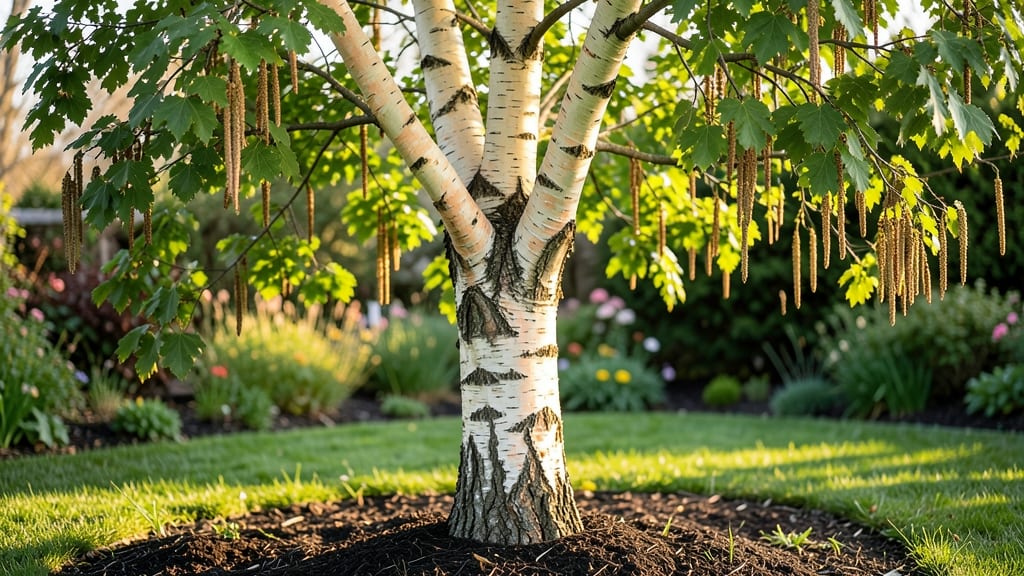
A River Birch Tree 🌳 grows how tall does a river birch tree grow between 30 and 50 feet at maturity, depending on the variety and growing conditions—so knowing its potential height is key before planting.
If you're dreaming of a graceful, peeling-bark beauty for your landscape, river birch trees offer stunning visual appeal—but their mature height can vary dramatically depending on the variety and growing conditions.
For example, some cultivars like 'Heritage' stay compact, while others stretch toward the sky. Sunlight exposure also plays a role, with full sun encouraging faster growth compared to partial shade.
In this guide, I’ll break down height ranges by variety, how sunlight affects growth, and practical tips to manage size in smaller gardens.


River birch tree height by variety: mature size ranges explained
When planning your landscape, knowing how tall river birch trees grow is essential for spacing and design. River birch (Betula nigra) varieties range from 30 to 50 feet at maturity, but some dwarf cultivars stay under 20 feet.
The variety you choose directly impacts your yard's layout, so let's explore the most popular types and their expected heights.
River birch trees are prized for their peeling bark and graceful form, but their growth rates vary. Some varieties grow 2 to 3 feet per year in ideal conditions, while others mature more slowly.
Understanding these differences helps you select the perfect tree for your space, whether you have a sprawling backyard or a cozy urban garden.
🌳 Mature Height Guide by Variety:
| Variety | Mature Height (ft) | Growth Rate (ft/year) | Best For |
|---|---|---|---|
| 'Heritage' | 40-50 | 2-3 | Large landscapes |
| 'White Frost' | 30-40 | 1.5-2.5 | Medium yards |
| 'Dura-Hel' | 35-45 | 2-3 | Urban areas (disease-resistant) |
| 'Crimson Frost' | 30-40 | 1.5-2.5 | Small to medium spaces |
| 'Fox Valley' | 20-25 | 1-2 | Small gardens (dwarf) |
| 'Little King' | 15-20 | 0.5-1.5 | Containers or tight spaces |
The 'Heritage' variety is one of the tallest, reaching 40 to 50 feet with a fast growth rate of 2 to 3 feet per year. This makes it ideal for large properties where you want a dramatic focal point.
Its multi-stemmed form also adds visual interest, making it perfect for naturalistic landscapes.
For medium-sized yards, the 'White Frost' cultivar is a fantastic choice. It typically matures between 30 and 40 feet and grows at a slightly slower pace, which can be easier to manage. Its white bark provides striking contrast, especially in winter when other trees lose their leaves.
If you're in an urban environment, consider the 'Dura-Hel' variety. This disease-resistant type grows 35 to 45 feet tall and thrives in polluted air, making it a resilient pick for city gardens. Its height and hardiness make it a low-maintenance option for busy homeowners.
Smaller spaces benefit from dwarf varieties like 'Fox Valley' or 'Little King'. The 'Fox Valley' stays between 20 and 25 feet, while the 'Little King' is even more compact at 15 to 20 feet.
These are excellent choices for containers or tight spaces where you still want the beauty of river birch without the height.
When planting, always consider your local climate and soil conditions. River birch trees thrive in USDA zones 4 to 9 and prefer moist, well-drained soil. In areas with poor drainage, their roots can suffer, leading to stunted growth or disease.
Amending clay soil with compost can improve drainage and encourage healthier, taller growth.
Proper spacing is crucial to avoid overcrowding. Standard varieties need at least 30 feet of space between them and other structures, while dwarf types require only 15 to 20 feet.
Plan ahead to ensure your river birch has room to grow without competing with nearby plants for nutrients and sunlight.
Regular pruning in late winter helps maintain shape and encourages strong growth. Remove dead or crossing branches to improve airflow, which reduces the risk of fungal diseases that can weaken the tree and slow its growth.
With the right care, your river birch will thrive and reach its full potential height.
🌱 Whether you choose a towering 'Heritage' or a compact 'Little King', river birch trees add year-round interest to any landscape. Their distinctive bark and graceful form make them a standout feature, and understanding their mature heights ensures your garden design stays balanced and beautiful.
How sunlight affects river birch growth: height differences in full sun vs. partial shade
River birch trees (Betula nigra) thrive when planted in full sun, but their mature height can shift dramatically based on light exposure. While these trees naturally reach 30–50 feet in ideal conditions, partial shade can stunt growth by up to 30%.
Understanding these differences helps you choose the right spot for your tree and set realistic expectations for its future size.
In full sun, river birches grow tallest and fastest, developing their signature peeling bark and lush foliage. However, even in optimal light, growth rates vary by variety. For example, the 'Heritage' cultivar may reach 40–50 feet, while 'White Frost' stays slightly shorter at 35–45 feet.
These differences are even more pronounced when light is limited.
| Light Condition | Mature Height | Growth Rate (Annual) | Bark Development | Care Adjustments |
|---|---|---|---|---|
| Full Sun (6+ hours) | 40–50 ft | 12–18 in/year | Vibrant peeling | Standard watering |
| Partial Shade (3–6 hours) | 25–35 ft | 6–12 in/year | Duller, slower peeling | Increase moisture |
| Deep Shade (<3 hours) | 15–25 ft | 3–6 in/year | Minimal peeling | Fertilize annually |
If your river birch is planted in partial shade, expect a 25–35 foot maximum height, with slower growth and less dramatic bark. To encourage healthier development, prune competing branches to improve airflow and light penetration.
Mulch around the base to retain moisture, which becomes critical in shadier environments where soil dries faster.
For deep shade conditions, growth can be stunted to just 15–25 feet, and the tree may develop weak, leggy branches. In these cases, fertilize lightly in spring with a balanced 10-10-10 formula to support root health. Avoid over-fertilizing, as this can stress the tree further in low-light conditions.
To maximize height and health, plant your river birch in a location with at least 6 hours of direct sunlight daily. If your yard only offers partial shade, choose a dwarf variety like 'Fastigata' (15–20 feet) to fit your space while still enjoying the tree’s unique charm.
Regularly monitor sunlight exposure and adjust care as needed to guide growth in the right direction.
Remember, even in full sun, river birches grow slowly—patience is key! With the right light and care, you’ll watch your tree mature into a stunning focal point for years to come. 🌳