
Pruning
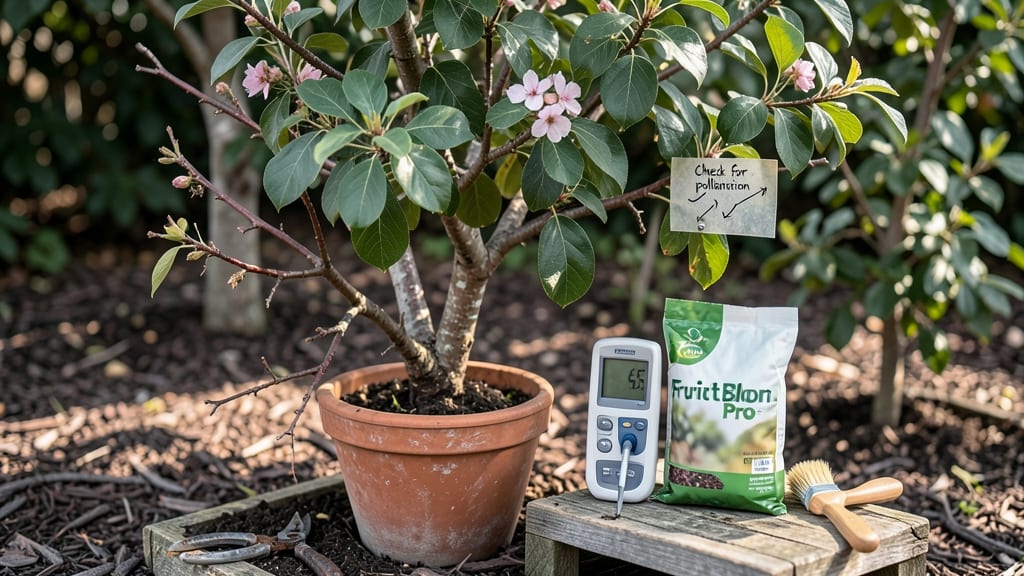
A plum tree not fruiting—even after years of care—can feel like a heartbreak, especially when you’ve nurtured it with hope. 🌳 I’ve watched my own plum tree go from promising blooms to bare branches, and I learned the hard way that fruiting issues often boil down to a few key problems: light, nutrients, or pollination.
The good news? Most of these fixes are simple, and once you address them, your tree can rebound with a harvest in just a few seasons.
First, check the basics: Is your tree getting 6-8 hours of sunlight daily? Plums need full sun to set fruit, and even a slight shade shift can stall blooms. Next, look at the soil—plum trees are heavy feeders, and poor nutrition (especially nitrogen or potassium) kills fruiting potential.
Finally, if your area lacks bees or other pollinators, hand-pollination with a paintbrush can work wonders. These fixes don’t take fancy tools, just observation and a little patience.
By spring, you’ll see the difference: stronger blooms, heavier fruit set, and a tree that finally lives up to its promise. The key is catching these issues early—before they become permanent.
Think of it as a reset button for your plum tree’s productivity. Let’s troubleshoot the most likely culprits and get those branches laden with fruit again.
Whether your tree is young or mature, the principles stay the same: light, food, and pollination. The best part? Once you solve the root cause, your plum tree will fruit reliably for years.
No more empty branches—just a bounty of sweet, juicy plums waiting to be picked. Here’s how to diagnose and fix the exact problem holding yours back.
Root Causes Behind No Fruit
Plum trees can be frustrating when they bloom beautifully but refuse to set fruit—especially after months of anticipation. Understanding the science behind why this happens is the first step to fixing the issue.
Below, we break down the most common reasons your plum tree might be skipping fruit production, complete with actionable insights to address each one.
Plum trees, like many fruit trees, need time to mature before they can reliably produce fruit. Younger trees focus their energy on establishing roots and foliage rather than fruit development.
- Why it happens: Plum trees typically require 3–5 years to reach full maturity, though some dwarf varieties may fruit sooner. During this time, they prioritize growth over reproduction. - How to check: If your tree is under 5 years old, it may simply need patience.
Look for strong, healthy growth—if the branches are elongating and leaves are lush, it’s likely still in its developmental phase. - Actionable fix: - Avoid heavy pruning in the first few years to encourage root and canopy growth. - Apply a balanced fertilizer (10-10-10 or similar) in early spring to support overall health. - Consider rootstock compatibility—some grafted trees take longer to fruit if the rootstock is slow-growing.
Plum trees are often self-pollinating, but some varieties benefit from cross-pollination for better fruit set. If your tree isn’t getting enough pollen—or if it’s an incompatible variety—it may drop blossoms without fruiting.
- Why it happens: - Wind or insect pollinators (like bees) may not be accessing the flowers efficiently. - Some plum varieties (e.g., European plums) require cross-pollination with another compatible tree within 50–100 feet. - Cold or rainy springs can hinder pollinator activity. - How to check: - Observe if bees or other pollinators visit the flowers.
If not, pollination may be the issue. - Research your plum variety—some (like Stanley or Santa Rosa) are self-fruitful, while others (like Italian prunes) need a partner. - Actionable fix: - Plant a second plum tree of a compatible variety nearby (e.g., European plums pair well with Japanese plums). - Hand-pollinate by gently transferring pollen with a small brush from one flower to another on a rainy day. - Avoid overusing pesticides—they can kill pollinators.
Opt for organic, bee-friendly sprays.
Plum trees are sensitive to extreme heat, cold, or inconsistent watering, which can disrupt flowering and fruiting cycles.
- Why it happens:
- Late frosts (below 28°F) can damage blossoms before pollination.
- Drought stress causes trees to drop flowers to conserve energy.
- Excessive heat (above 90°F) during bloom can also lead to flower drop.
- Poor drainage or waterlogging stresses roots, reducing fruit set.
- How to check:
- Look for wilting leaves, brown edges, or premature leaf drop—signs of water stress.
- Check if blossoms fall off shortly after opening (a classic sign of frost or heat damage).
- Actionable fix:
- Mulch heavily (3–4 inches of organic mulch) to retain moisture and regulate soil temperature.
- Water deeply 1–2 times per week during dry spells, ensuring the root zone stays moist but not soggy.
- Use frost cloth in late spring if late frosts are common in your area.
- Avoid overhead watering during bloom to prevent fungal diseases that weaken flowers.
Plum trees need specific nutrients at the right stages to produce fruit. Deficiencies or excesses in key elements can lead to poor fruiting.
- Why it happens:
- Nitrogen-heavy fertilizers encourage leafy growth but delay or reduce fruiting.
- Low phosphorus (critical for flowering) or low potassium (essential for fruit development) can stunt bloom production.
- Zinc or boron deficiencies are common in plum trees and directly impact fruit set.
- How to check:
- Yellowing leaves (especially older ones) may indicate nitrogen deficiency.
- Purple or red tinges on leaves can signal phosphorus deficiency.
- Small, deformed fruit or blossom drop often points to boron or zinc issues.
- Actionable fix:
- Soil test first! Know your pH (plums prefer 6.0–7.0) and nutrient levels before amending.
- Switch to a bloom-boosting fertilizer (e.g., 5-10-10 or 10-20-20) in late winter/early spring.
- Apply micronutrients:
- Zinc sulfate (follow package rates) for leaf sprays if deficiency is confirmed.
- Borax (sparingly) to address boron issues—too much can be toxic.
- Avoid synthetic fertilizers in summer; opt for compost or organic matter to prevent overstimulation.
Pruning is essential for plum trees, but wrong timing, excessive cuts, or poor technique can lead to reduced flowering and fruiting.
- Why it happens:
- Pruning in late winter/early spring (when buds are forming) can remove flower buds before they open.
- Over-thinning reduces the tree’s ability to photosynthesize, weakening fruit production.
- Not pruning at all leads to overcrowded branches, reducing air flow and light penetration.
- How to check:
- Look for sparse canopies or too many "water sprouts" (thin, vertical shoots).
- If your tree has fewer than 50% flower buds in late winter, pruning may be the culprit.
- Actionable fix:
- Prune in late winter/early spring (just before buds swell) to open the canopy and improve light.
- Remove only dead, diseased, or crossing branches—avoid heavy cuts.
- Encourage fruiting wood by pruning to maintain an open vase shape (plums fruit on spurs and short branches).
- Avoid topping or heading back—this reduces flowering sites.
Pests and diseases can damage flowers, leaves, or roots, preventing the tree from setting fruit.
- Why it happens:
- Plum curculio (a beetle) lays eggs in fruit and flowers, causing them to drop.
- Silver leaf disease (a fungal infection) wilts leaves and flowers, reducing fruit set.
- Aphids or mites suck sap from blossoms, weakening them.
- Root-knot nematodes or crown rot stress the tree, diverting energy from fruiting.
- How to check:
- Look for chewed blossoms, webbing, or sticky residue (honeydew) on leaves.
- Discolored or curled leaves may indicate fungal or bacterial issues.
- Poor root growth (probed with a trowel) suggests underground pests.
- Actionable fix:
- Prevent pests early:
- Spray dormant oil in late winter to kill overwintering pests.
- Use row covers during bloom to protect from curculios.
- Treat fungal diseases with copper fungicide (follow label rates).
- Improve drainage to prevent root rot—plums hate soggy soil.
- Apply beneficial nematodes (like Steinernema feltiae) for soil-dwelling pests.
- Prevent pests early:
Plum trees have specific temperature requirements for flowering and fruiting. If seasons are off, the tree may not align its cycles correctly.
- Why it happens:
- Unusually warm winters can break dormancy too early, followed by a late frost that kills blossoms.
- Cool springs delay pollination, leading to poor fruit set.
- Heat waves during bloom can cause flower drop before pollination occurs.
- How to check:
- If your area had unseasonable temperature swings, this could be the reason.
- **Few
Revitalize Your Plum Tree’s Fruit Bearing
If your plum tree is struggling to produce fruit, don’t panic—most issues are fixable with the right care. Below, we’ve mapped out practical solutions tailored to the root causes, from nutrient deficiencies to environmental stress.
Follow these steps to coax your tree back into action, and keep it thriving for years to come.
Plum trees need a balanced diet to set fruit. If your tree is blooming but dropping flowers or producing sparse fruit, it’s likely starving for key nutrients.
🔥 Boost Nitrogen for Leaf Growth (Early Season)
Nitrogen is the foundation for strong foliage, which supports fruit production. If your tree’s leaves are pale or stunted:
- Apply a balanced fertilizer (10-10-10 or 12-12-12) in early spring, just as buds swell.
- Avoid overdoing it—too much nitrogen late in the season can delay fruiting.
- Use organic options like composted manure or blood meal for slow-release benefits.
🍳 Add Phosphorus for Flower & Fruit Formation (Pre-Bloom)
Phosphorus (the middle number in fertilizer ratios) is critical for blooming and fruit set. If your tree has weak flowers or poor fruit development:
- Switch to a phosphorus-rich fertilizer (e.g., 5-10-5 or bone meal) 4-6 weeks before flowering.
- Work it into the soil around the drip line (not too close to the trunk) for best absorption.
- Pair with compost to improve soil structure and nutrient retention.
👨🍳 Potassium for Disease Resistance & Fruit Quality (Mid-Season)
Potassium helps trees resist stress and improves fruit size and sweetness. If your plums are small, misshapen, or prone to cracking:
- Use a potassium sulfate or wood ash mid-season (June-July) for a quick boost.
- Foliar spray with seaweed extract can also enhance potassium uptake.
- Monitor soil pH—potassium absorbs best in slightly acidic soil (pH 6.0–6.5).
💡 Pro Tip:
Test your soil every 2–3 years! A simple DIY soil test kit (or lab test) reveals exact deficiencies. Over-fertilizing can harm your tree, so less is more—follow package instructions closely.
Poor pruning habits can lead to crowded branches, which block sunlight and air circulation—both enemies of fruit production. If your tree is overgrown or has dense canopies:
🔪 Thin Out Overlapping Branches (Dormant Season)
Prune in late winter or early spring (before buds break) to:
- Remove “water sprouts” (fast-growing vertical shoots) and crossing branches.
- Open the center of the tree to let sunlight reach inner branches.
- Cut back suckers (shoots growing from the base) to redirect energy upward.
🌿 Shape for Sunlight Access (Annual Maintenance)
After the first flush of growth in spring, do a light pruning to:
- Shorten overly vigorous branches by 1/3 to encourage bushier growth.
- Avoid heavy pruning after June—this can stimulate new growth that won’t harden off before winter.
- Use sharp, clean tools and seal cuts with pruning paste to prevent disease.
⏰ Timing Matters:
Prune after the tree fruits in summer to avoid stressing it before the next blooming cycle. Never prune in fall—this invites pests and fungal infections.
Plum trees are sensitive to temperature swings, water stress, and pollination issues. If your tree blooms but drops fruit early, these fixes may help:
💧 Water Deeply & Consistently (Drought or Overwatering)
Inconsistent moisture is a top reason for poor fruiting:
- Water deeply 1–2 times per week (1–2 inches per session) during dry spells.
- Avoid wetting leaves to prevent fungal diseases like brown rot.
- Use mulch (wood chips or straw) to retain moisture and regulate soil temperature.
🌿 Protect from Late Frosts (Critical for Pollination)
Plum trees bloom early, making them vulnerable to frost damage:
- Install a frost cloth or row covers when night temps drop below 32°F (0°C).
- Choose late-blooming varieties if your area has unpredictable springs.
- Avoid overhead sprinklers—they can freeze and damage blossoms.
🐝 Ensure Proper Pollination (Hand-Pollinate if Needed)
If your tree has flowers but no fruit, it may need help with pollination:
- Plant a second plum variety nearby (different but compatible types attract more bees).
- Hand-pollinate on calm days: Use a soft brush to transfer pollen from one flower to another.
- Avoid pesticides—they kill bees! Opt for neem oil or horticultural soap instead.
Once you’ve revived your plum tree, keep these habits to maintain healthy fruit production:
- 🌡️ Monitor soil temperature—plum trees thrive in USDA zones 5–9; adjust care for extreme climates.
- 🍃 Rotate fertilizers annually to avoid nutrient imbalances (e.g., alternate nitrogen-heavy with phosphorus-rich).
- 🐛 Control pests early—aphids, plum curculio, and borers stress trees. Use beneficial nematodes or kaolin clay as prevention.
- 📅 Prune strategically—stick to the 3 D’s rule: Dead, Diseased, or Damaged branches first.
- 🔄 Renew mulch annually to prevent compaction and improve soil health.
With patience and the right adjustments, your plum tree will rebound—and next season’s harvest could be bountiful. Start with one or two fixes, observe changes, and tweak as needed. Happy growing! 🌿🍑
Frequently asked questions about plum trees not fruiting
Why does my plum tree have flowers but no fruit?
This usually means one of three issues: pollination problems (especially if you have only one tree), nutrient deficiencies (like low phosphorus or potassium), or environmental stress (like late frosts or drought). Check for bees visiting flowers—if not, hand-pollination or planting a compatible variety may help.
How long should I wait before expecting fruit from a young plum tree?
Most plum trees need 3–5 years to mature enough for reliable fruiting, though dwarf varieties may produce fruit sooner. Focus on healthy growth first—strong roots and branches mean better fruit production later. Avoid heavy pruning in the first few years.
Can overwatering cause my plum tree to stop fruiting?
Yes! Poor drainage or soggy soil stresses roots, preventing the tree from setting fruit. Water deeply but only 1–2 times per week during dry spells, and always check for proper drainage. Mulch helps regulate moisture and keeps roots healthy.
What’s the best fertilizer to encourage fruiting in plum trees?
Use a balanced fertilizer (like 10-10-10) in early spring, then switch to a phosphorus-rich formula (5-10-5) 4–6 weeks before blooming. Avoid nitrogen-heavy fertilizers late in the season—they promote leaves over fruit. Always test your soil first!
Will pruning my plum tree help it fruit more?
Yes, but timing matters! Prune in late winter/early spring to open the canopy and improve sunlight. Avoid heavy cuts after June—this can stimulate weak growth that won’t survive winter. Focus on removing dead branches and thinning crowded areas.