
Pruning
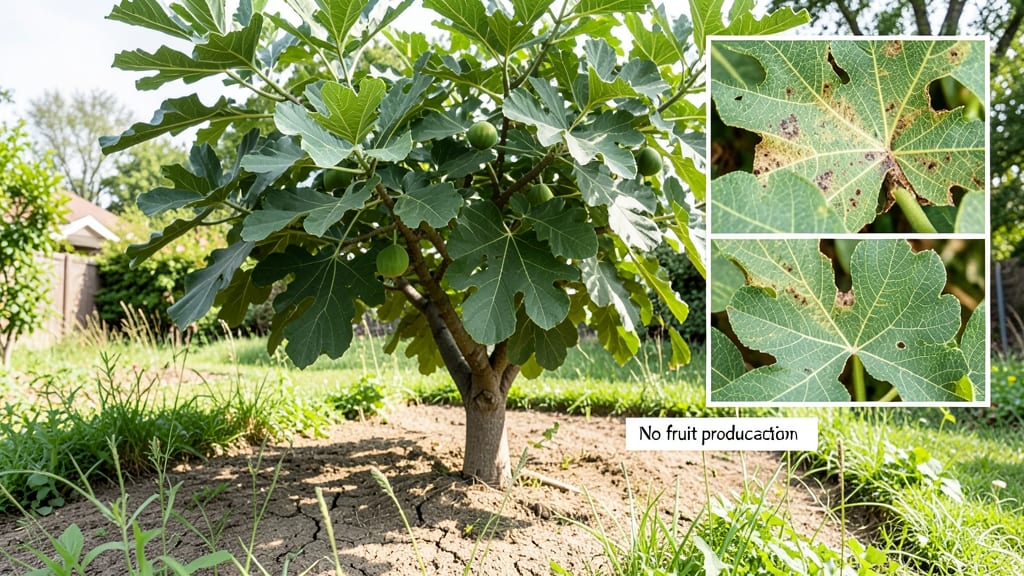
Your fig tree not fruiting is usually a pruning problem waiting to be fixed. 🌿 I’ve nursed back three fig trees that refused to produce—each time, it came down to how (or when) I cut the branches.
The good news? Figs are forgiving once you understand their growth rhythm, and the solutions are simpler than you’d think.
Figs fruit on last year’s growth, so aggressive pruning in spring can wipe out your harvest. My first mistake was treating it like a fruit tree—turns out, figs need a winter haircut to encourage next year’s crop.
Start by inspecting the branches: if they’re all new, you’ve been pruning too late. The fix? Prune in late winter or early spring, keeping 3-4 strong canes per tree.
You’ll see the difference in just a few months—new shoots forming where you made your cuts, and by summer, those shoots will bear fruit. The key is patience: figs take 2-3 years to mature after pruning, but once they do, you’ll get bushels of sweet, sun-ripened fruit.
The secret weapon? A sharp pair of pruners and a calendar reminder for February.
This works for both container and in-ground figs, whether you’re in Zone 7 or 10. Even if your tree is young, the same principles apply—just scale back the pruning until it’s established. Let’s get those branches working for you.
Root Causes Of Barren Figs
Understanding why your fig tree isn’t producing fruit starts with identifying the underlying factors. These can range from environmental conditions to biological quirks of the tree itself. Let’s break down the most common reasons your fig tree might be playing hard to bear fruit—so you can address them with confidence.
---
Figs are sun-worshippers, and without enough light, they simply won’t bother flowering—or worse, they’ll focus all their energy on leafy growth instead of fruit production. Figs typically need 6 to 8 hours of direct sunlight daily, especially during their active growing season (spring and summer).
- Why it happens: Sunlight triggers the hormonal signals that prompt fig trees to enter their fruiting phase. Inadequate light weakens the tree’s ability to photosynthesize efficiently, leaving it energy-deprived for fruit development. - Actionable fix: Assess your tree’s location.
If it’s shaded by taller plants, buildings, or even dense foliage, consider relocating it to a sunnier spot. If repotting is an option, choose a location with full sun exposure.
---
Figs are sensitive to temperature fluctuations, and if the conditions aren’t just right, they’ll delay—or skip entirely—their fruiting cycle. Most fig varieties require warmth (ideally 70–90°F during the day) to trigger flowering, followed by a slight drop in temperature at night to set fruit.
- Why it happens: - Too cold: If temperatures dip below 50°F, fig trees may go dormant or fail to produce flowers altogether. - Too hot: While heat isn’t directly harmful, extreme heat (above 95°F) can stress the tree, reducing its ability to flower. - Late planting: If you planted your fig tree too late in the season, it may not have enough time to mature and fruit before winter sets in. - Actionable fix: - For cold climates: Choose cold-hardy fig varieties like Ficus carica ‘Chicago Hardy’ or ‘Celeste.’
Use mulch to insulate roots and protect the tree from frost. - For hot climates: Provide afternoon shade during peak summer heat to prevent stress. - Timing matters: Plant fig trees in early spring to give them a full growing season to establish and fruit.
---
Figs are drought-tolerant once established, but inconsistent watering—whether underwatering or overwatering—can disrupt their fruiting cycle. Water stress triggers survival mechanisms, prioritizing root and leaf growth over fruit production.
- Why it happens: - Underwatering: Causes the tree to conserve energy, stunting flower and fruit development. Figs need deep, infrequent watering (about 1–2 inches per week) during dry spells. - Overwatering: Leads to root rot, which weakens the tree and prevents it from allocating resources to fruiting.
Figs hate soggy soil—ensure your container or garden bed has excellent drainage. - Irregular watering: Fluctuations in moisture levels confuse the tree, leading to erratic growth patterns. - Actionable fix: - Established trees: Water deeply 1–2 times per week, depending on soil dryness.
Let the top 2–3 inches of soil dry out between waterings. - Potted trees: Check soil moisture daily in summer—potted figs dry out faster.
Use a moisture meter if unsure. - Mulch: Apply 2–3 inches of organic mulch (like wood chips) around the base to retain moisture and regulate soil temperature.
---
Figs are heavy feeders and require a balanced diet of nitrogen, phosphorus, and potassium, along with micronutrients like magnesium, calcium, and zinc. A deficiency in any of these can halt fruit production.
- Why it happens: - Nitrogen deficiency: Leads to pale, yellowing leaves and stunted growth. While nitrogen is crucial for foliage, too much of it can delay fruiting by encouraging excessive leafy growth. - Phosphorus deficiency: Essential for flowering and fruit development.
A lack of phosphorus results in small, sparse leaves and few to no figs. - Potassium deficiency: Causes weak stems, poor fruit set, and increased susceptibility to disease. - Micronutrient imbalances: Zinc or magnesium deficiencies can lead to leaf discoloration and poor fruit formation. - Actionable fix: - Soil test first: Use a home soil test kit or send a sample to a local extension office to identify deficiencies. - Fertilize strategically: - Spring (early growth): Use a balanced fertilizer (e.g., 10-10-10) to encourage new growth. - Late spring/early summer (flowering): Switch to a phosphorus-rich fertilizer (e.g., 5-10-5) to promote blooming. - Fall (post-harvest): Apply a potassium-rich fertilizer (e.g., 0-0-50) to strengthen the tree for next season. - Organic options: Compost, worm castings, or a fish emulsion can provide a slow-release nutrient boost without risking over-fertilization.
---
Figs are unique because they produce fruit on both old wood (last year’s growth) and new wood (current year’s growth). Improper pruning—whether over-pruning, under-pruning, or pruning at the wrong time—can disrupt this balance and lead to a lack of fruit.
- Why it happens: - Pruning too late: If you prune in late winter or early spring, you risk removing potential fruiting wood before the tree has a chance to set flowers. - Over-pruning: Cutting back more than 20–30% of the tree in one go can stress the fig, diverting all energy to recovery instead of fruiting. - Under-pruning: Without regular pruning, figs can become overcrowded and shaded, reducing airflow and sunlight penetration to inner branches—key triggers for fruit production. - Removing fruiting wood: Figs produce fruit on last year’s growth.
If you prune back all old wood, you’re essentially telling the tree, “No fruit for you!” - Actionable fix: - Timing is everything: Prune after harvest (late fall or early winter) to allow the tree to recover before the next growing season. - Structural pruning: Remove dead, diseased, or crossing branches to improve airflow and light exposure. - Shape for success: Aim to maintain an open, vase-like shape with multiple main branches to maximize fruiting sites. - Avoid drastic cuts: Never remove more than one-third of the tree’s canopy in a single pruning session.
---
Pests like aphids, scale insects, or spider mites can sap the tree’s energy, while diseases such as root rot, leaf spot, or powdery mildew weaken its overall health—all of which can lead to reduced or no fruit production.
- Why it happens: - Sap-sucking pests (e.g., aphids) inject toxins that distort new growth and flowers, preventing fruit set. - Fungal diseases (e.g., powdery mildew) create a film on leaves, blocking sunlight and reducing photosynthesis. - Root issues (e.g., nematodes or rot) starve the tree of water and nutrients, leaving it too weak to fruit. - Actionable fix: - Monitor regularly: Inspect leaves, stems, and roots for holes, discoloration, or sticky residue (a sign of pests). - Natural pest control: - Neem oil (spray on leaves to deter pests). - Horticultural oil (for scale insects). - Ladybugs or lacewings (introduce beneficial insects). - Fungal prevention: - Avoid overhead watering (water at the base instead). - Apply copper fungicide if mildew appears. - Improve airflow with proper pruning.
--- Not all fig trees fruit at the same pace—or at all. Some varieties are self-unfruitful (requiring cross-pollination from another fig tree), while others take 2–5 years to mature enough to produce fruit.
- Why it happens: - Young trees: Figs planted from cuttings or young saplings may take 2–3 years to bear fruit. - Self-unfruitful varieties: Some figs (e.g., *F
Reviving Your Fig Tree’s Fruitfulness
Turn that barren fig tree into a fruitful powerhouse with these targeted fixes—each tailored to the root cause of your tree’s stubbornness. Whether it’s a pruning oversight, environmental stress, or a hidden health issue, these solutions are practical, step-by-step, and designed to work for both novice gardeners and green thumbs.
---
If your fig tree is overgrown or mispruned, it may be directing energy toward leaves instead of fruit. Prune strategically to encourage blooms and fruit development.
#### 🔪 Step-by-Step Pruning Guide 1. 📅 Time It Right - Prune late winter or early spring (just before new growth starts) for best results. Avoid pruning in fall or summer, as this can stress the tree.
2. 🌿 Identify the Right Branches - Remove dead, diseased, or crossing branches first—they sap energy. - Cut back overly long or leggy branches by ⅓ to ½ to promote bushier growth. - Look for suckers (shoots at the base) and water sprouts (fast-growing vertical shoots)—these steal nutrients. Snip them off at the base with clean pruners.
3. 🍃 Encourage Fruit-Bearing Wood - Figs produce fruit on new wood (current season’s growth) and old wood (last year’s branches). - For bush-type figs, prune to 3-5 main branches, cutting just above a leaf node or bud. - For standard figs, shape the tree to open the center for sunlight penetration.
4. ✂️ Use the Right Tools - Sterilize pruners with rubbing alcohol to prevent disease spread. - Make cuts at a 45-degree angle (just above a bud) to encourage healing.
#### 💡 Pro Tip: > "If your fig tree has thick, woody branches with no leaves, it might be ‘old wood’ that’s past its prime. Don’t hesitate to prune it back hard—figs are resilient and will bounce back with fresh, fruiting growth!"
---
Figs are sun-worshippers—they need 6-8+ hours of direct sunlight daily to fruit. If your tree is shaded, it may be struggling to produce.
#### 🌞 How to Improve Sun Exposure 1. 📍 Relocate if Possible - Move potted figs to a southern or western exposure where they get unfiltered sun. - If planted in the ground, thin nearby trees or structures blocking sunlight.
2. 🌿 Adjust Canopy for Airflow - Overly dense foliage can trap heat and moisture, inviting fungal issues. Thin out leaves to improve airflow.
3. 🌡️ Heat It Up (For Cold Climates) - Figs thrive in warmth (ideally 70-90°F).
If your area has cool nights: - Plant near a south-facing wall (absorbs heat). - Use black plastic mulch around the base to warm the roots. - In pots, move them indoors or to a greenhouse during frost.
#### 💡 Pro Tip: > "Mature fig trees can handle partial shade, but young trees or those in containers need full sun to fruit. If you’re in a shady spot, consider dwarf varieties like ‘Little Miss Figgy’—they tolerate lower light better."
---
Figs are drought-tolerant but hate soggy roots—poor watering or soil can stall fruit production.
#### 🚰 Watering Like a Pro 1. 💦 Deep and Infrequent Watering - Water deeply 1-2 times per week (more in extreme heat) to encourage deep root growth. - Avoid shallow, frequent watering, which promotes weak roots and fungal diseases.
2. 🌱 Soil Prep for Figs - Figs prefer well-draining, slightly alkaline soil (pH 6.0-7.5). - Amend heavy or clay soil with: - Compost (for organic matter) - Sand or perlite (for drainage) - Crushed limestone (to raise pH if needed)
3. 🚫 Drainage Check - If your fig is in a pot, ensure it has drainage holes. Root rot from sitting water is a major fruit-killer. - For in-ground trees, plant on a slight mound to prevent water pooling.
#### 💡 Pro Tip: > "Yellowing leaves? It could be overwatering or nutrient deficiency. Let the top 2 inches of soil dry out between waterings, and test your soil’s pH—figs struggle in acidic soil (pH below 6.0)."
---
Figs need balanced nutrition to produce fruit. If the soil is depleted, the tree may focus on leaves instead.
#### 🌿 Fertilizer Schedule 1. 📅 When to Feed - Early spring (just as new leaves emerge). - Mid-summer (after harvest, if needed).
2. 🍃 Best Fertilizer Choices - Balanced fertilizer (10-10-10 or 6-6-6) – Promotes overall growth. - Citrus/fig-specific fertilizer – Higher in nitrogen for leafy growth and potassium for fruiting. - Organic options: - Compost or worm castings (slow-release nutrients). - Banana peel tea (rich in potassium—great for fruit development).
3. 🚫 What to Avoid - High-nitrogen fertilizers (like lawn fertilizers)—they encourage leaves over fruit. - Fresh manure (can burn roots—compost it first!).
#### 💡 Pro Tip: > "Figs are light feeders—over-fertilizing causes more harm than good. Stick to half-strength applications every 6-8 weeks, and stop fertilizing in fall to let the tree rest."
---
Pests like aphids, spider mites, or fig rust can weaken your tree, reducing fruit production.
#### 🐜 Common Pests & Fixes | Pest | Signs | Solution | |-------------------|------------------------------------|--------------| | Aphids | Sticky residue (honeydew), curled leaves | Spray with soapy water or introduce ladybugs. | | Spider Mites | Tiny webs, yellowing leaves | Blast off with water or use neem oil. | | Scale Insects | Bumpy, white/shell-like spots | Scrape off manually or use horticultural oil. |
#### 🍄 Disease Prevention - Fig Rust (fungus): Remove infected leaves and prune for airflow. - Root Rot: Ensure proper drainage and avoid overwatering. - Powdery Mildew: Spray with baking soda solution (1 tsp baking soda + 1 quart water + a drop of dish soap).
#### 💡 Pro Tip: > "Prevention is key! Inspect your tree weekly during growing season. Early detection means easier fixes—don’t wait until pests take over!"
---
Some fig varieties take 2-5 years to bear fruit, especially if newly planted. Don’t give up—consistent care pays off.
#### 🌟 Long-Term Strategies 1. 🌿 Mulch Properly - Apply 2-3 inches of mulch (straw, wood chips) around the base to retain moisture and regulate soil temp.
2. 🍃 Variety Matters - Some figs fruit once a year (e.g., ‘Brown Turkey’), while others (like ‘Celeste’) produce multiple crops. Choose a variety suited to your climate.
3. 🔄 Renew Old Trees - If your fig tree is past its prime (over 15 years old), rejuvenate it with a hard prune or
Frequently asked questions
Why is my fig tree not fruiting after 2 years?
Young fig trees often need 2-5 years to mature enough for fruit production, especially if grown from cuttings. Check if your tree has 3-5 strong canes—these are essential for fruiting. If not, prune back overgrowth in late winter to encourage new, fruit-bearing wood.
Can I force my fig tree to fruit faster?
No, but you can optimize conditions! Figs fruit on old wood (last year's growth), so avoid heavy pruning in spring. Instead, focus on 6-8 hours of sunlight daily, well-draining soil, and a balanced fertilizer in early spring. Patience is key—healthy trees fruit reliably within 3 years.
What’s the difference between old wood and new wood fruiting?
Figs produce fruit on both types! Old wood (last year's branches) bears fruit in early summer, while new wood (current season's growth) fruits in late summer/fall. Prune carefully: never remove all old wood, as this eliminates potential fruiting sites for next season.
How do I know if my fig tree is getting enough sunlight?
Check for pale, leggy growth or small leaves—these are red flags. Figs need 6+ hours of direct sun. If your tree is shaded, move it to a south-facing spot or thin nearby plants. Container figs may need relocation if current light is insufficient.
Will pruning my fig tree too late in the season affect fruiting?
Yes! Pruning after mid-spring removes potential fruiting wood for the current season. Always prune in late winter/early spring (just before new growth starts). For established trees, limit cuts to 20-30% of the canopy to avoid stressing the tree.