
Plants
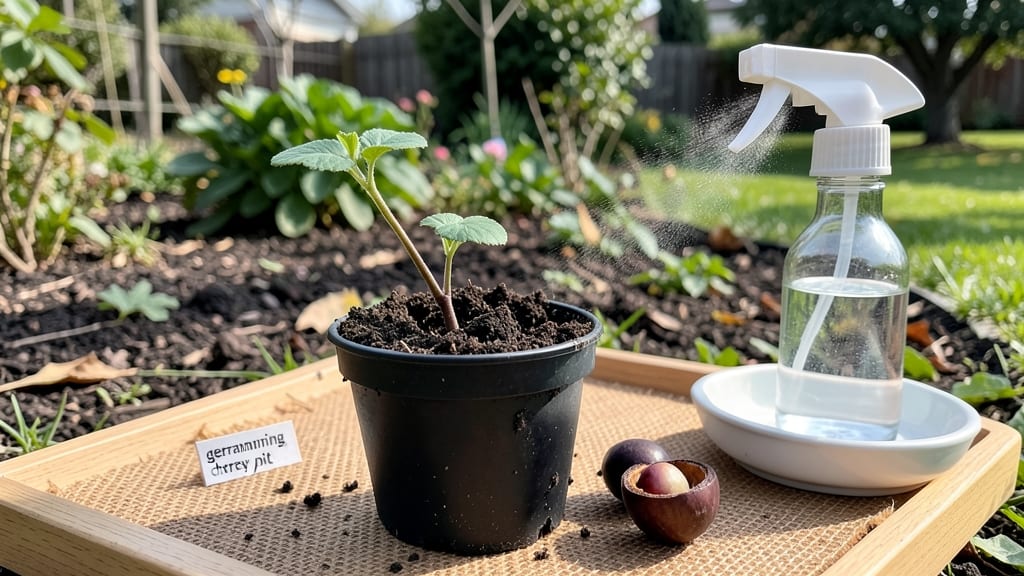
Planting a cherry tree from a cherry pit is possible, but it rarely produces fruit-bearing trees like the parent plant. Most pits grow into wild, bitter varieties with low germination rates unless you use proper cold treatment and care.
Growing a cherry tree from a pit is more about patience than skill—it's a long shot that requires understanding how nature works. 🌱 The pit must first undergo stratification (a cold treatment period) to break dormancy, typically 6-8 weeks in the fridge.
Even then, only about 10-20% of pits will sprout, and the resulting tree will likely take 10-15 years to mature. The real challenge? Most homegrown cherry trees produce small, tart fruit rather than the sweet, juicy varieties you'd expect from a grocery store pit.
If you're determined to try, start with fresh, unwashed pits from organic cherries—they have the highest germination potential. Plant them just beneath the soil surface (about 1 inch deep) in well-draining potting mix, and keep the soil consistently moist.
The key is persistence: even if the first few attempts fail, the process is fascinating to observe.
💡 In This Article
- How Cherry Pit Germination Works and Success Factors
- Step-by-Step Guide to Growing a Cherry Tree from a Pit
How cherry pit germination works and success factors
Cherry pits enter a state called dormancy to survive harsh conditions, which means they won’t sprout until they experience specific triggers. The primary mechanism is stratification, a cold treatment that mimics winter. During this phase, the pit absorbs moisture and undergoes biochemical changes that break down growth inhibitors.
Without this step, the embryo inside remains inactive—even if planted in ideal soil. Most gardeners overlook this critical 6-8 week cold period at 34-40°F, which is why germination rates hover around just 10-20%.
The science gets even more interesting when you consider genetic variability. Cherry trees reproduce sexually, meaning the seedling won’t inherit identical traits from the parent plant. For example, a sweet Bing cherry pit might grow into a tart, wild variety with smaller fruit.
This explains why homegrown cherry trees often produce bitter, inedible cherries—what you see in stores is the result of decades of selective breeding. The flesh color alone can shift from deep red to almost black, and the pit size may shrink by 30-50% compared to the parent.
Soil conditions play a surprisingly delicate role too. Cherry pits need well-draining, slightly acidic soil (pH 6.0-6.5) to prevent rot while providing enough moisture for the embryo to activate.
The ideal planting depth is 1 inch below the soil surface, where temperatures remain stable and roots can anchor without competition. Too deep, and the pit suffocates; too shallow, and it dries out.
Think of it like a tiny seedling’s first breath—it needs just the right balance of air, water, and warmth to take that first step.
What most people don’t realize is how light exposure affects germination. While some seeds need darkness to sprout, cherry pits require a brief period of light to trigger the final growth hormones.
This is why some gardeners recommend planting pits in a clear plastic bag with moist paper towels before transferring them to soil—it mimics the natural light cycle they’d experience in a forest floor. Without this light cue, the embryo may never break through the hard shell, even after stratification.
Timing is another critical factor. Plant pits in early spring, just as natural temperatures begin to rise. The ground should be workable but not frozen, and daytime highs should consistently reach 60°F or above.
This aligns with the pit’s internal clock, which has been counting down through its cold dormancy. Rush the process by planting too early, and the cold snap will kill the tender sprout. Wait too long, and the pit may lose viability, especially if stored improperly.
Finally, the hard shell of the cherry pit isn’t just protective—it’s a physical barrier that regulates oxygen flow. When you plant a pit, the shell must stay intact until the root breaks through, which can take 2-4 weeks.
If the shell cracks or degrades too soon (often from improper handling or fungal attack), the embryo inside dries out or rots.
This is why some gardeners soak pits in water for 24 hours before planting—they’re mimicking a natural rain event that softens the shell just enough to allow roots to emerge without compromising the embryo.