
Pruning
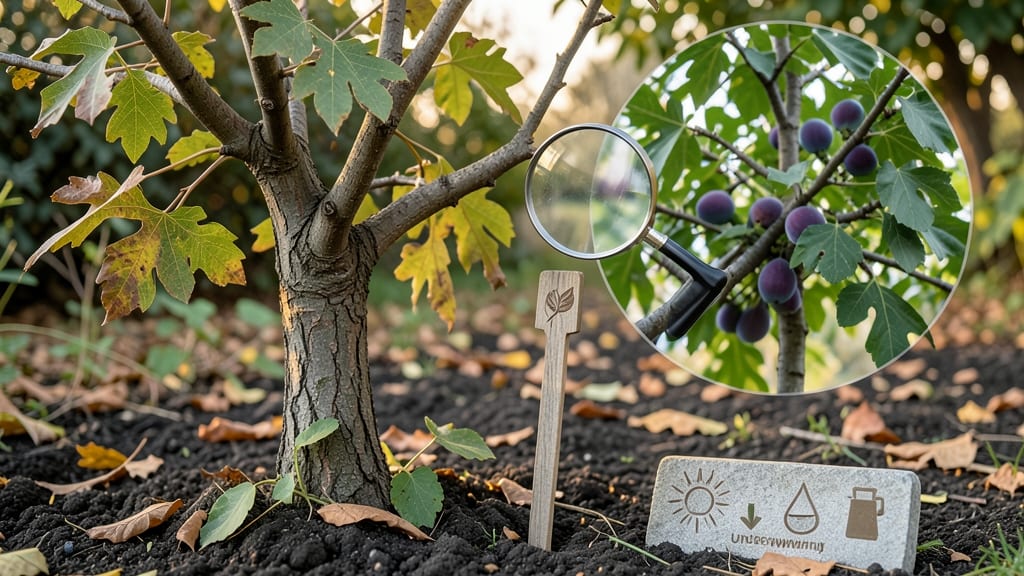
Why is my fig tree not producing fruit?—and it’s probably not what you think. 🌿 The most common reasons are hidden in plain sight: poor pollination, overpruning, or even the wrong kind of sunlight. I’ve nursed back three fig trees from zero fruit to overflowing branches, and the fixes are simpler than you’d expect.
First, check your tree’s location—figs need 6+ hours of direct sun daily, but too much afternoon heat can stress them. Then look at the branches: if they’re bare or overcrowded, pruning may have gone too far.
Even the soil matters: figs thrive in well-draining, slightly alkaline soil (pH 6.5-7.5), but compacted or waterlogged dirt stunts growth.
Here’s the game-changer: hand-pollination doubles harvests. Brush fig flowers with a soft brush or shake branches gently when bees are active. Combine this with a balanced fertilizer in spring, and you’ll see fruit buds within weeks. The first harvest will taste sweeter than store-bought—and you’ll never second-guess your tree again.
Works for both container and in-ground figs, from Mediterranean climates to hotter zones. Let’s troubleshoot step by step—your tree’s best years are ahead.
Underlying Reasons Behind Fruitless Figs
Fig trees are generous givers—when they’re happy! But if your tree is throwing a one-fruit party instead of a full harvest, the blame often lies in one (or more) of these key factors.
Let’s break down the science behind why your fig tree might be playing hard to bear fruit, so you can troubleshoot like a pro.
---
Figs are patient plants, and they won’t rush into fruiting if they’re not ready. Here’s the timeline you need to know:
- Too Young to Fruit Most fig varieties (like ‘Brown Turkey’ or ‘Celeste’) take 3–5 years to mature enough to produce fruit after planting. If your tree is still in its teens, it’s simply focusing on growing leaves and roots—not yet on reproductive energy. - Actionable Fix: Be patient!
Provide consistent care (water, sunlight, and nutrients) to speed up maturity. Dwarf varieties may fruit faster (sometimes in 1–2 years), but standard trees need time.
- Past Its Prime Older fig trees (15+ years) may slow down fruit production due to declining vigor.
This is especially true if the tree has been neglected or overpruned. - Actionable Fix: Rejuvenate with light pruning to encourage new growth, and fertilize with potassium-rich (like banana peel tea or wood ash) to support fruiting energy.
---
Figs are sun-worshippers, but they’re also divas when it comes to conditions. Even small imbalances can trigger a dormancy-like state, halting fruit development.
- Insufficient Sunlight Figs need 6–8 hours of direct sunlight daily to set fruit. Shady spots (like under tall trees or north-facing walls) signal the tree to conserve energy for survival, not reproduction. - Actionable Fix: Move potted figs to sunnier locations or thin nearby trees to improve light exposure.
If in-ground, consider transplanting to a sunnier spot.
- Water Woes - Underwatering: Causes stress, leading to aborted figs (they’ll start forming but drop early). Figs need deep, consistent watering (1–2 inches per week), especially during fruit set (spring/summer). - Overwatering: Soggy soil leads to root rot, starving the tree of nutrients.
Figs hate “wet feet”! - Actionable Fix: Water at the base (not leaves) and ensure well-draining soil. Mulch with straw to retain moisture without suffocating roots.
- Temperature Extremes Figs thrive in USDA Zones 7–10 but can handle brief dips to 20°F if mature.
However: - Cold Snaps: Early frosts can kill flower buds before they open, preventing fruit. - Heatwaves: Temperatures above 95°F can cause figs to drop or fail to develop properly. - Actionable Fix: Protect young trees with frost cloth in winter.
In extreme heat, provide afternoon shade (but morning sun is non-negotiable).
---
Figs are self-pollinating, but they love a little help from wasps (specifically Blastophaga psenes in Mediterranean varieties) or bees for optimal fruit set. Without proper pollination, figs may form but stay small, hard, or seedless.
- Lack of Pollinators - Urban/Suburban Gardens: Fewer native wasps or bees mean poor pollination, leading to blind figs (fruit that looks normal but is hollow inside). - Greenhouse-Grown Figs: Even if self-pollinating, humidity and isolation can reduce pollination success. - Actionable Fix: - Hand-pollinate by gently shaking branches during bloom (early morning) to release pollen. - Plant pollinator-friendly flowers nearby (lavender, marigolds, or basil). - For greenhouse figs, release a few fig wasps (if in a warm climate) or use a soft paintbrush to transfer pollen between figs.
- Wrong Fig Variety for Your Climate Some figs (like ‘Chicago Hardy’) are bred for cold climates and may not rely on wasps.
Others (like ‘Black Mission’) need wasp pollination to produce sweet, edible fruit. - Actionable Fix: Research your fig’s pollination requirements and choose varieties suited to your region.
---
Figs are heavy feeders, and a lack of key nutrients can halt fruit development or cause poor-quality figs. Here’s what to watch for:
| Nutrient | Deficiency Signs | Why It Stops Fruiting | Quick Fix | |-------------|----------------------|--------------------------|---------------| | Nitrogen (N) | Yellowing leaves (older leaves first) | Weak growth = fewer flower buds | Apply balanced fertilizer (10-10-10) in early spring | | Phosphorus (P) | Purple stems, slow growth | Poor root development = less energy for fruit | Use bone meal or rock phosphate | | Potassium (K) | Brown leaf edges, weak stems | Reduces sugar transport to figs | Feed with banana peel tea or greensand | | Calcium | Blossom-end rot (figs crack and drop) | Weak cell walls in developing fruit | Sprinkle crushed eggshells or use lime | | Magnesium | Yellowing between leaf veins | Chlorosis = less photosynthesis = fewer figs | Apply Epsom salt (1 tbsp/gallon water) |
- Actionable Fix: - Soil Test First! Use a DIY test kit or send a sample to a lab to identify deficiencies. - Organic Boost: Mix compost, worm castings, and wood ash into the soil annually. - Avoid Over-Fertilizing: Too much nitrogen = leafy growth, no fruit (like a tree on a caffeine binge).
---
Figs fruit on new wood (current year’s growth) and old wood (last year’s branches), depending on the variety. If you prune at the wrong time or too aggressively, you’re essentially telling the tree to take a break from reproducing.
- Pruning Too Late - Figs set fruit in spring, so pruning after bud break (late winter/early spring) removes potential fruit-bearing branches. - Actionable Fix: Prune in late winter (before buds swell) to encourage spring growth for summer fruit.
- Over-Pruning - Removing more than 20–30% of the canopy in one go stresses the tree, diverting energy to recovery instead of fruiting. - Actionable Fix: Prune lightly (10–15% per year) to maintain shape without shocking the tree.
- Wrong Technique - Cutting too close to the trunk or leaving stubs invites disease and weakens the tree. - Actionable Fix: Use clean, sharp pruners and cut at a 45-degree angle just outside the branch collar.
--- Hidden invaders can sap energy or damage flower buds, leading to no fruit—or tiny, deformed ones.
| Pest/Disease | How It Affects Fruiting | Signs to Watch For | Solution | |------------------|---------------------------|-----------------------|--------------| | Fig Rust (Cerotelium fici) | Weakens leaves, reducing photosynthesis | Orange pustules on undersides of leaves | Remove infected leaves; spray copper fungicide | | Root-Knot Nematodes | Stunts growth, starves roots | Wilting, yellowing leaves; galls on roots | Plant marigolds (natural nematicide) or use neem oil | | Aphids/Scale Insects | Suck sap, weaken tree | Sticky residue (honeydew), curled leaves | Blast with water spray or use insecticidal soap | | Fig Beetles | Chew leaves and fruit | Holes in leaves/figs; adult beetles | Handpick or use
Revive Your Fig Tree’s Fruitfulness
---
If your fig tree has been playing hide-and-seek with its fruit, don’t panic—there’s hope! 🌱 The key is identifying the root cause and taking targeted action. Below, we’ve mapped out practical fixes for each common issue, along with pro tips to prevent future disappointments. Let’s get your tree back on track to a bountiful harvest.
---
Figs are tricky—they rely on blastophaga psenes wasps for pollination, but even without them, you can trick the tree into fruiting.
🔥 Step 1: Hand-Pollinate Like a Pro - When: Early morning (when figs are sticky and receptive). - How: Use a soft paintbrush or cotton swab to gently transfer pollen from one fig’s syconium (the flower head) to another. Focus on female figs (they’re larger and have a tiny hole at the base). - Pro Tip: 💡 If you’re growing parthenocarpic varieties (like ‘Celeste’ or ‘Brown Turkey’), they don’t need pollination—just give them consistent care!
🍳 Step 2: Attract Pollinators Organically - Plant companion plants like lavender, rosemary, or marigolds nearby to lure bees and wasps. - Avoid pesticides—even natural ones can harm pollinators. 🚫🐝
🌡️ Step 3: Optimize Temperature & Humidity - Figs pollinate best in 75–85°F (24–29°C) with moderate humidity. If your climate is too hot or dry, mist the tree lightly in the morning.
---
Over-pruning or cutting at the wrong time can stunt fruit production. Let’s fix that!
🔪 Step 1: Prune for Productivity - When: Late winter or early spring (before new growth starts). - How: - Remove dead, diseased, or crossing branches first. - Thin out 1/3 of the oldest wood to encourage new, fruiting branches. - Avoid heavy pruning in summer—it stresses the tree and delays fruit.
👨🍳 Step 2: Shape for Sunlight Access - Figs need 6–8 hours of direct sun daily. Open up the canopy to ensure light reaches the center. - Pro Tip: ✨ If your tree is in a container, prune to maintain an open vase shape—this prevents overcrowding and improves air circulation.
---
Figs are drought-tolerant but need consistent moisture and the right nutrients to fruit well.
🥗 Step 1: Water Wisely - How Much: 1–1.5 inches (2.5–4 cm) of water per week, especially during fruit development. - When: Water deeply in the morning to prevent fungal issues. - Avoid: Overwatering—soggy roots = root rot = no fruit.
📊 Step 2: Fertilize for Fruit Production - Use a balanced fertilizer (10-10-10 or 6-6-6) in early spring. - Boost Potassium: Figs love potassium for fruit development. Add a banana peel tea or wood ash occasionally. - Pro Tip: 💪 Skip high-nitrogen fertilizers (like lawn food)—they promote leafy growth but delay fruiting.
---
Figs are resilient, but heatwaves, frost, or sudden temperature swings can halt fruit production.
🔥 Step 1: Shield from Heat Stress - If temps exceed 95°F (35°C), provide afternoon shade with a lightweight cloth or shade cloth. - Pro Tip: 🌡️ Mulch with straw or wood chips to keep roots cool.
❄️ Step 2: Frost Protection - If frost is forecast, cover young trees with burlap or frost cloth. - Mature trees can handle light frost, but new growth is vulnerable.
---
Some figs take years to fruit, while others are naturally low-yielders.
🎯 Step 1: Patience with Young Trees - Figs can take 2–5 years to bear fruit. Keep pruning and fertilizing—rewards come with time!
🍇 Step 2: Pick the Right Variety - High-yielding types: ‘Brown Turkey,’ ‘Celeste,’ ‘Violette de Bordeaux’ - Dwarf varieties: ‘Little Miss Figgy’ (great for containers) - Pro Tip: ✨ If your tree is old, consider grafting a new variety onto it for a quick harvest boost.
---
To avoid future fruitless seasons, follow this simple routine: ✅ Pollination: Hand-pollinate if wasps are scarce. ✅ Pruning: Trim in late winter, not summer. ✅ Watering: Deep and consistent, not sporadic. ✅ Fertilizing: Balanced feed + potassium boosts. ✅ Protection: Shield from extreme heat/frost. ✅ Patience: Give young trees time to mature.
---
With these fixes, your fig tree should be bursting with fruit in no time. 🍈🍇 Keep an eye on progress, and don’t hesitate to tweak your approach—every tree is unique! For persistent issues, consider consulting a local arborist or fig-growing forum for tailored advice.
Frequently asked questions about fig trees not producing fruit
Why does my fig tree have leaves but no fruit?
Your tree might be too young (most varieties need 3-5 years to fruit) or overfocused on leafy growth from excess nitrogen. Check your fertilizer—high-nitrogen feeds (like lawn fertilizer) promote leaves but delay fruiting. Switch to a balanced 10-10-10 or potassium-rich fertilizer instead.
Can I force my fig tree to fruit faster?
Yes! Hand-pollination works wonders—use a soft paintbrush to transfer pollen between figs early in the morning when they're sticky. For container-grown trees, move them to full sun (6+ hours daily) and prune lightly in late winter to encourage new fruiting branches. Patience helps too—dwarf varieties may fruit in 1-2 years while standard trees take longer.
What's causing my figs to form but then drop?
This usually means water stress (either underwatering or overwatering) or temperature extremes. Water deeply at the base 1-2 times per week (1-1.5 inches total) and avoid soggy soil. If temps exceed 95°F, provide afternoon shade. Check for pests like aphids too—they sap energy needed for fruit development.
Are some fig varieties better for low-pollination areas?
Parthenocarpic varieties like 'Celeste' or 'Brown Turkey' don't need pollinators to produce fruit. For urban gardens, these are ideal. If you have wasps, Mediterranean varieties like 'Black Mission' will thrive. Always check your specific variety's pollination needs before planting.
How do I know if my fig tree is getting enough sunlight?
Figs need 6-8 hours of direct sunlight daily—if your tree's leaves are small, sparse, or yellowing, it's likely not getting enough. Move potted trees to sunnier spots or thin nearby trees to improve light. For in-ground trees, consider transplanting to a south-facing location if possible.