
Trees
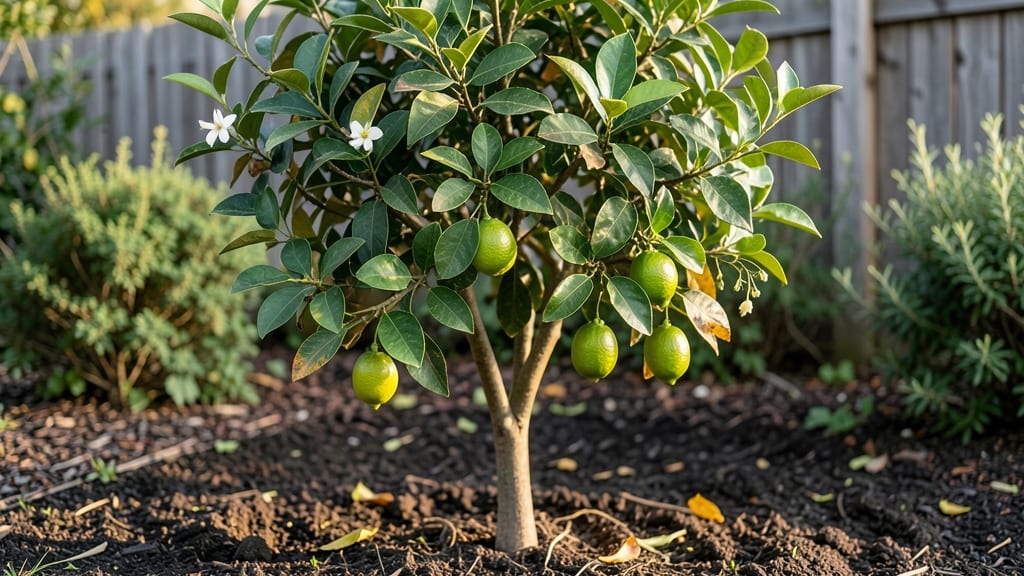
Your Meyer lemon tree dropping leaves isn’t a death sentence—it’s a wake-up call your tree is sending. 🌿 I’ve nursed back more than my share of these citrus divas, and the fix is almost always simpler than you’d think.
Overwatering, underwatering, pests, or sudden temperature swings could all be the culprit, but the good news? Each has a straightforward solution.
The first step is figuring out what’s really going wrong. Are the leaves yellowing with brown edges? That’s often overwatering. Yellowing with crispy edges? Underwatering. Tiny holes or sticky residue?
Pests. And if the leaves just wilted overnight, it’s probably heat or cold stress. I’ll walk you through each scenario and the exact fix—no guesswork needed.
Once you identify the problem, reviving your tree takes just a few adjustments: tweaking your watering schedule, checking soil moisture, or applying a targeted treatment. Within weeks, you’ll see fresh green leaves pushing out, and your tree will be back to producing those sweet, fragrant blooms you love.
The best part? These fixes work for container-grown trees too.
We’ll also cover how to prevent future drop-offs so you can enjoy your Meyer lemon tree’s bounty for years. Think of this as your tree’s second chance—let’s get it growing again.
Understanding Leaf Drop Triggers
If your Meyer lemon tree is shedding leaves unexpectedly, the culprit is almost always one of several environmental or care-related stressors. Unlike deciduous trees, citrus like Meyer lemons are evergreen—they shouldn’t drop leaves seasonally.
When they do, it’s a signal that something is disrupting their natural balance. Below, we break down the most common reasons, backed by science, so you can pinpoint the issue and take action.
Meyer lemon trees thrive in USDA Zones 9–11, where frost is rare. Even a brief dip below 30°F (-1°C) can trigger leaf drop as the tree prioritizes protecting its core (roots, trunk) over foliage. Cold damage isn’t always obvious—leaves may turn black, wilt, or simply detach without warning.
Why it happens:
- Cell membrane rupture: Cold temperatures cause ice crystals to form in leaf cells, rupturing their membranes and disrupting nutrient flow. The tree “abandons” damaged leaves to conserve energy.
- Hormonal response: Abscisic acid (ABA), a stress hormone, spikes in cold conditions, signaling leaves to detach via specialized cells called abscission zones.
- Root stress: Cold soil (below 50°F/10°C) slows root activity, starving the tree of water and nutrients—leaves fall as a last resort.
Actionable fix:
- Move potted trees to a protected, sunny spot (e.g., against a south-facing wall) before temps drop.
- Use burlap wraps or frost cloth to shield leaves from wind chill.
- For outdoor trees, mulch heavily (3–4 inches) with straw or wood chips to insulate roots.
Meyer lemons hate “wet feet.” While they need consistent moisture, soggy soil suffocates roots, leading to anaerobic conditions (lack of oxygen) that trigger leaf drop. Overwatering is the #1 killer of potted citrus—yet many gardeners assume more water = better growth.
Why it happens:
- Root rot: Fungi like Phytophthora thrive in waterlogged soil, blocking nutrient uptake. The tree sheds leaves to reduce water demand.
- Nutrient lockout: Excess water flushes away essential minerals (e.g., nitrogen, potassium), causing deficiency stress.
- Physiological drought: Even in wet soil, roots can’t absorb water efficiently, mimicking drought conditions.
Actionable fix:
- Check soil moisture with your finger—water only when the top 1–2 inches are dry.
- Ensure pots have drainage holes and use a well-draining mix (50% potting soil, 30% perlite, 20% sand).
- For outdoor trees, raise beds or plant on slopes to improve drainage.
- Add gypsum (calcium sulfate) to heavy clay soil to break up compaction.
Meyer lemons love sun—but too much direct exposure (especially after transplanting or in hot climates) can scorch leaves, causing them to yellow, crisp, and fall off. High temperatures (>90°F/32°C) also increase transpiration rates, drying out leaves faster than roots can replenish water.
Why it happens:
- UV damage: Direct sunlight breaks down chlorophyll, leading to photooxidation (leaf tissue death).
- Water loss imbalance: Leaves lose moisture faster than roots can supply it, triggering abscission.
- Heat shock proteins: Extreme heat causes the tree to produce stress proteins, which can disrupt normal growth hormones.
Actionable fix:
- Gradually acclimate trees to full sun (start with 2–3 hours/day, increasing over 2 weeks).
- Use shade cloth (30–50%) during peak afternoon sun (12–4 PM).
- Mulch around the base to keep soil cool and reduce evaporation.
- Water deeply in the morning to prevent midday stress.
Even a “gentle” move can stress a Meyer lemon tree. Root damage disrupts the tree’s ability to absorb water and nutrients, forcing it to shed leaves to survive. This is especially common with potted trees or newly planted specimens.
Why it happens:
- Root pruning response: Cutting roots (even accidentally) triggers a defense mechanism where the tree prioritizes regrowing roots over maintaining foliage.
- Microbiome disruption: Beneficial soil bacteria (like mycorrhizae) are destroyed during transplanting, reducing nutrient uptake.
- Hormonal shift: Ethylene gas, released during root trauma, accelerates leaf drop.
Actionable fix:
- Repot only in spring/early summer (active growth phase).
- Use the “slip-and-slide” method: Gently loosen roots from the pot’s edges before removing the tree.
- Water thoroughly before and after transplanting to reduce shock.
- Avoid fertilizing for 4–6 weeks post-transplant.
💡 Pro Tip: If your tree is dropping leaves after repotting, don’t panic—it’s often temporary. Focus on consistent care (water, light, warmth) while roots recover (usually 4–6 weeks).
Reviving Your Meyer Lemon Tree
Your Meyer lemon tree is shedding leaves, but don’t panic—most causes have simple, effective fixes! Below, we’ve mapped the most common reasons for leaf drop to actionable solutions, so you can nurse your tree back to health.
Remember, prevention is key—once you’ve addressed the issue, adjust your care routine to keep your citrus tree thriving.
---
Signs: Yellowing leaves, soggy soil, or roots sitting in water.
How to Fix It: 🔥 Stop Watering Immediately – Let the top 2–3 inches of soil dry out before watering again. Stick your finger in the soil—if it’s damp, wait. 🍳 Improve Drainage – If your pot lacks drainage holes, repot your tree into one with holes (or add a layer of gravel at the bottom). For in-ground trees, amend the soil with perlite or coarse sand to prevent compaction. 👨🍳 Check the Pot Size – If roots are circling or the pot is too small, upgrade to a container 2–4 inches larger with fresh, well-draining potting mix. 🥘 Repot if Needed – If roots are rotting, trim away mushy sections with sterilized scissors, then repot in fresh soil.
Prevention Tips: ✨ Water deeply but infrequently—Meyer lemons hate "wet feet." Aim for 1–2 times per week in summer (less in winter). 💡 Use a moisture meter to track soil dampness accurately. 🌡️ Avoid saucers that trap water—empty excess water from saucers after 30 minutes.
---
Signs: Crispy, brown edges on leaves, dry soil pulling away from the pot.
How to Fix It: 🔥 Water Thoroughly – Soak the soil until water drains from the bottom, then wait until the top inch is dry before watering again. 🍳 Mulch to Retain Moisture – Apply 2–3 inches of organic mulch (like straw or wood chips) around the base (keep it 4 inches away from the trunk to prevent rot). 👨🍳 Provide Afternoon Shade – If temperatures exceed 90°F (32°C), move potted trees to partial shade or use shade cloth (30–50% coverage). 🥘 Mist Leaves Gently – In extreme heat, mist leaves early in the morning to boost humidity (avoid evening misting to prevent fungal issues).
Prevention Tips: ✨ Group potted trees together to create a microclimate with higher humidity. 💡 Use self-watering pots or drip irrigation for consistent moisture. 🎯 Avoid cold drafts—Meyer lemons prefer 60–85°F (15–29°C); protect from sudden temperature drops.
---
Signs: Yellowing between leaf veins (iron deficiency), stunted growth, or leaf burn (fertilizer salt buildup).
How to Fix It: 🔥 Flush the Soil – If over-fertilized, leach excess salts by watering the tree with plain water for 10–15 minutes until it runs clear from the drainage holes. 🍳 Test Soil pH – Meyer lemons thrive in slightly acidic to neutral soil (pH 6.0–7.0). Adjust with lime (to raise pH) or sulfur (to lower pH) if needed. 👨🍳 Fertilize Correctly – Switch to a balanced citrus fertilizer (6-6-6 or 8-3-9) and apply every 4–6 weeks in growing season (spring–fall). Stop fertilizing in winter. 🥘 Use Slow-Release Fertilizer – Granular or spike fertilizers reduce the risk of overfeeding.
Prevention Tips: 💡 Follow label instructions—more fertilizer ≠ better results. 🌡️ Use organic options like fish emulsion or compost tea for a gentler nutrient boost. 🎯 Monitor leaf color—yellowing? It’s time to check iron or nitrogen levels.
---
Signs: Holes in leaves (spider mites), sticky residue (aphids), or black spots (fungal infection).
How to Fix It: 🔥 Isolate the Tree – Move it away from other plants to prevent spread. 🍳 Spray with Neem Oil – Mix 1 tsp neem oil + 1 tsp mild soap + 1 quart water, then spray every 7–10 days until pests are gone. 👨🍳 Prune Infected Leaves – Cut off yellow, spotted, or chewed leaves with sterilized pruners. 🥘 Treat Fungal Issues – For powdery mildew or black spot, spray with baking soda solution (1 tsp baking soda + 1 quart water + a drop of soap).
Prevention Tips: ✨ Inspect leaves weekly—catch pests early! 💡 Encourage beneficial insects like ladybugs or lacewings. 🌡️ Avoid overhead watering—water at the base to keep foliage dry.
--- Final Pro Tip: 🎯 Patience is key! Meyer lemon trees are resilient. With the right care, you’ll see new growth in 4–6 weeks. Keep an eye on your tree’s progress and adjust as needed—your citrus companion will thank you with juicy lemons in no time!
Frequently asked questions
Why does my Meyer lemon tree drop leaves in winter?
Meyer lemon trees are evergreen and shouldn't naturally drop leaves in winter. If you see leaf loss during cold months, it's likely due to temperature stress below 50°F (10°C) or drafts from windows/doors. These trees thrive in USDA Zones 9-11—any colder and they'll prioritize protecting their core over keeping leaves. Move potted trees indoors near sunny windows or use frost cloth for outdoor plants.
How can I tell if my tree is overwatered vs. underwatered?
Check the leaves: Overwatered trees show yellowing leaves with green veins and may have mushy stems. Underwatered trees have crispy brown edges and dry soil pulling away from the pot. For both, stick your finger 1-2 inches deep—if damp (overwatered) or bone-dry (underwatered), adjust your schedule immediately. Meyer lemons prefer soil that's consistently moist but never soggy.
Will my Meyer lemon tree recover from dropping all its leaves?
Yes! These trees are remarkably resilient. If the root system is healthy, new leaves will sprout within 4-6 weeks once you correct the issue (water, temperature, or pests). Focus on consistent care—keep soil lightly moist, provide 6-8 hours of sunlight daily, and protect from extreme temps. Avoid fertilizing during recovery, as stressed trees can't process nutrients well.
Can I save my Meyer lemon tree if it's been dropping leaves for months?
It depends on the root health. If the trunk feels soft or roots are mushy (signs of rot), the tree may not recover. However, if the trunk is firm and you can see green growth at the base, prune all dead leaves, repot in fresh soil, and adjust care. For chronic issues, consider root inspection—healthy roots should be white/firm, not brown/mushy. If roots are compromised, you may need to propagate from healthy stems.
How do I prevent leaf drop in my Meyer lemon tree?
Prevention starts with consistent conditions: maintain 60-85°F (15-29°C) temperatures, water when the top 1-2 inches of soil dry, and use well-draining pots with holes. Fertilize lightly (balanced citrus formula every 6-8 weeks in growing season), and avoid sudden changes. For potted trees, rotate them weekly to ensure even sunlight exposure—uneven light causes stress and leaf drop.