
Trees
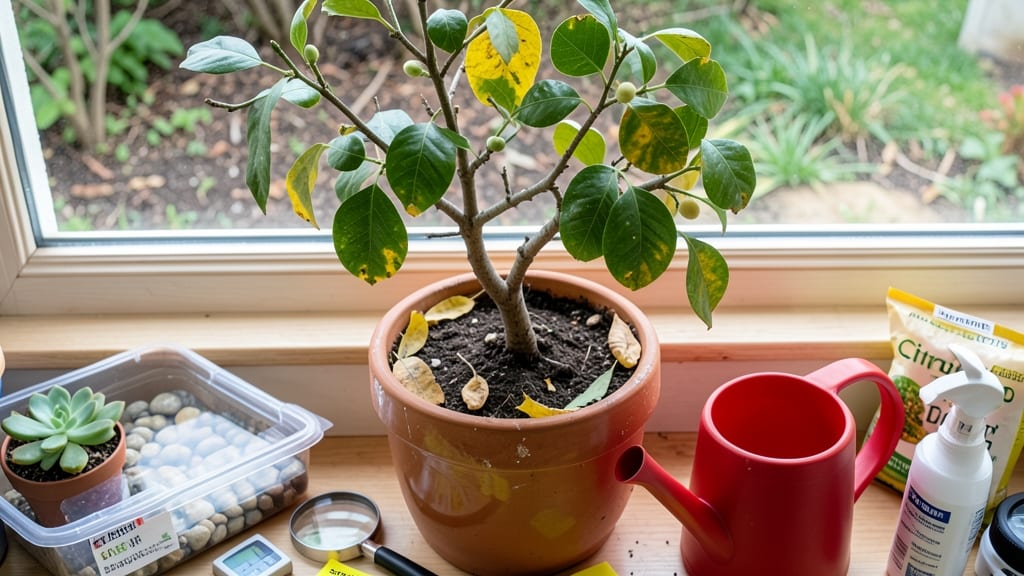
Your indoor lemon tree losing leaves? 🌿 That sad sight doesn’t mean it’s time to say goodbye—it’s usually a clear signal your citrus friend just needs a little TLC.
Most leaf loss stems from three common issues: watering mistakes, light struggles, or hidden pests, and fixing them is simpler than you’d think. I’ve nursed back several lemon trees from this exact situation, and the key is diagnosing the real problem first.
Start by checking the soil—it’s either too dry or too soggy. Stick your finger an inch deep: if it’s bone-dry, you’ve been underwatering; if it’s damp, you’re overwatering. Then inspect the leaves for tiny webs, sticky residue (aphids), or yellow spots (fungus).
Once you spot the issue, the fix takes just minutes—no fancy tools needed. What you’ll end up with is a perky tree pushing out fresh, glossy leaves within weeks. The secret is consistency: adjust your watering, move it to brighter light (but not direct sun), and keep it pest-free.
Your lemon tree will bounce back faster than you expect.
Here’s the thing—most people panic and overcorrect, which makes things worse. Instead, focus on one fix at a time. If the soil’s too wet, let it dry out completely before watering again; if it’s bone-dry, water thoroughly until it drains from the bottom.
For pests, a simple spray of soapy water (1 tsp dish soap per quart of water) does the trick in most cases.
Prevent future leaf loss by sticking to a routine: water when the top inch of soil feels dry, rotate the pot weekly for even light exposure, and wipe leaves monthly with a damp cloth.
Your tree will reward you with new growth—and maybe even a lemon or two—sooner than you think.
Root Causes Of Leaf Drop
When your indoor lemon tree starts shedding leaves, it’s often a cry for help—your citrus friend is telling you something’s off. Understanding the why behind the leaf loss is the first step to saving it.
Below, we break down the most common culprits, backed by science, so you can diagnose the issue like a pro.
Lemon trees (Citrus limon) are native to Mediterranean climates, where water is scarce but consistent. When overwatered, their roots suffocate from lack of oxygen, leading to root rot (a fungal infection caused by Pythium or Phytophthora). This disrupts nutrient uptake, causing leaves to yellow, wilt, and drop.
🔍 Signs to watch for:
- Wilting despite wet soil
- Mushy, black roots when inspected
- Stagnant water in the saucer or pot
💡 Why it happens:
- Waterlogged soil cuts off oxygen to roots, triggering anaerobic bacteria that release toxic compounds.
- Poor drainage (e.g., plastic pots without holes) traps excess moisture, accelerating rot.
- Overzealous watering—especially in cooler months—when the tree’s growth slows and roots absorb less.
✨ Fix it: Let the top 2–3 inches of soil dry out between waterings. Repot in well-draining soil (like a cactus/succulent mix) and ensure the pot has drainage holes. If root rot is suspected, trim affected roots with sterilized scissors and treat with a hydrogen peroxide (3%) solution.
While overwatering is a common killer, chronic underwatering stresses the tree just as severely. Lemon trees need consistent moisture to transport nutrients via their xylem vessels. When soil dries out completely, leaves curl, brown at the edges, and fall off as the tree prioritizes survival over foliage.
🔍 Signs to watch for:
- Crispy, dry leaf edges
- Leaves that feel papery or brittle
- Soil pulling away from the pot’s sides
💡 Why it happens:
- Low humidity (common in homes with central heating or AC) causes transpiration to outpace water absorption, drying leaves from the edges inward.
- Small pots with limited soil volume dry out faster, especially in bright, warm spots.
- Neglecting watering during growth spurts (spring/fall) when the tree demands more hydration.
✨ Fix it: Water thoroughly until it drains from the bottom, then wait until the top inch of soil is dry. Increase humidity with a pebble tray, humidifier, or by misting leaves (avoid over-misting in low light). Group plants together to create a microclimate.
Lemon trees thrive in bright, indirect light (6–8 hours daily) and prefer temperatures between 60–80°F (15–27°C). Extreme shifts—whether too cold, too hot, or sudden drafts—disrupt photosynthesis and cause leaf drop.
🔍 Signs to watch for:
- Leaves dropping near windows (light burn) or in drafty spots (cold stress)
- Yellowing between leaf veins (chlorosis from insufficient light)
- Wilting or drooping in hot, dry air (e.g., near heaters)
💡 Why it happens:
- Cold drafts (from AC vents, open windows, or doors) shock the tree, causing physiological drought—even if soil is moist, roots can’t absorb water efficiently.
- Direct sunlight (especially south-facing windows) scalds leaves, turning them brown and crispy.
- Heat stress (above 90°F/32°C) increases transpiration faster than roots can replace water, leading to wilting.
✨ Fix it:
- Move the tree to a bright, east-facing window or use sheer curtains to diffuse light.
- Avoid placing it near vents, doors, or air conditioning units. Use a thermometer to monitor temperature swings.
- In winter, use a grow light (12–14 hours/day) if natural light is insufficient.
Lemon trees are heavy feeders, and deficiencies in key nutrients—like nitrogen, magnesium, or iron—can cause leaves to yellow, drop, or develop abnormal spots. Pests like spider mites, scale, or aphids also sap sap, leading to premature leaf loss.
🔍 Signs to watch for:
- Nitrogen deficiency: Pale green or yellow leaves (starting with older ones)
- Magnesium deficiency: Yellow patches between leaf veins (interveinal chlorosis)
- Iron deficiency: New leaves stay yellow while veins remain green
- Pests: Sticky residue (honeydew), tiny webs, or insects on stems/undersides of leaves
💡 Why it happens:
- Poor soil quality or lack of fertilization depletes nutrients over time. Lemon trees need balanced NPK (e.g., 10-10-10) plus micronutrients like magnesium and iron.
- Overwatering leaches nutrients from the soil, making deficiencies worse.
- Pests pierce leaves to feed, disrupting nutrient transport and inviting fungal/bacterial infections.
✨ Fix it:
- Fertilize every 4–6 weeks in spring/summer with a citrus-specific fertilizer. For deficiencies:
- Nitrogen: Use a fish emulsion or blood meal
- Magnesium: Apply Epsom salt (1 tbsp/gallon of water, monthly)
- Iron: Use a chelated iron supplement
- For pests: Wipe leaves with neem oil or insecticidal soap. Isolate the tree if infestation is severe.
🌿 Pro Tip: Keep a plant journal to track watering, light, and fertilizer schedules. Noticing patterns (e.g., leaf drop after moving the tree) helps pinpoint future issues faster!
How to Revive Your Lemon Tree
Your indoor lemon tree’s drooping leaves don’t mean it’s a lost cause—with the right care, you can nurse it back to health and even prevent future leaf loss. Below, we’ve matched common causes to practical fixes, so you can act fast and keep your citrusy companion thriving.
Signs: Yellowing leaves, mushy stems, or soil that smells sour.
Fix It: 🔥 Step 1: Let It Dry Out
- Stop watering immediately and allow the top 2–3 inches of soil to dry completely before watering again. Stick your finger in the soil—if it’s damp past 1 inch, wait longer.
- Pro Tip: 🌡️ Use a moisture meter for accuracy, especially in humid climates.
🍳 Step 2: Check the Pot - Ensure your pot has drainage holes (if not, repot into one ASAP).
If holes are clogged, soak the pot in a bucket of water to flush out debris. - Upgrade Tip: 🔥 Switch to a terracotta pot—it breathes better than plastic and helps prevent root rot.
👨🍳 Step 3: Repot if Needed
- If roots are circling or black/mushy, trim the affected roots with sterilized scissors, then repot in fresh, well-draining potting mix (like a cactus or citrus blend).
- Prevention: ✨ Use a mix with perlite or sand to improve aeration.
Signs: Crispy, brown edges or leaves wilting despite dry soil.
Fix It: 🔥 Step 1: Water Deeply but Less Often
- Water thoroughly until it drains from the bottom, then wait until the top 1–2 inches of soil are dry. Lemon trees prefer dry spells between waterings.
- Pro Tip: 💡 Use the "lift-and-check" method—pick up the pot; if it’s light, it’s time to water.
🍳 Step 2: Adjust Light Exposure - Move your tree to a spot with bright, indirect light (east or west windows are ideal).
South-facing windows may cause sunburn—use a sheer curtain to diffuse harsh rays. - Fix for Low Light: 🌿 Supplement with a grow light (12–14 hours/day) if natural light is lacking.
👨🍳 Step 3: Trim Damaged Leaves
- Snip off crispy or brown leaves with clean scissors to redirect energy to healthy growth. Avoid cutting into green tissue—only remove fully dead foliage.
Signs: Leaf drop near vents, drafts, or sudden temperature swings.
Fix It: 🔥 Step 1: Stabilize Temperatures
- Keep your lemon tree in a consistent 60–75°F range. Avoid placing it near AC vents, heaters, or drafty windows.
- Pro Tip: 🎯 If temps drop below 50°F, move it away from cold spots or use a space heater with a thermostat nearby.
🍳 Step 2: Boost Humidity - Lemon trees love 40–60% humidity.
If your home is dry (common in winter), try: - A pebble tray (fill a tray with water and pebbles, place the pot on top). - A humidifier near the tree (but not dripping on leaves). - Misting leaves lightly (avoid soggy leaves to prevent fungal issues).
👨🍳 Step 3: Protect from Sudden Changes
- If moving the tree, acclimate it gradually over a week. Avoid placing it near open windows or doors where cold drafts sneak in.
Signs: Sticky residue, holes in leaves, white webbing, or black spots.
Fix It: 🔥 Step 1: Identify the Culprit
- Spider mites? Look for tiny webs and speckled leaves.
- Scale insects? Check for brown bumps on stems/leaves.
- Fungal issues? Black/yellow spots mean overwatering + poor airflow.
🍳 Step 2: Treat Gently but Effectively
- For pests:
- Wipe leaves with a soapy water solution (1 tsp mild dish soap + 1 quart water).
- Use neem oil spray (1 tsp neem oil + 1 quart water, spray every 5–7 days).
- For fungus:
- Prune infected leaves immediately.
- Apply copper fungicide or a baking soda spray (1 tsp baking soda + 1 quart water + a drop of soap).
👨🍳 Step 3: Prevent Future Infestations
- Inspect new plants before bringing them home.
- Keep leaves dry—water at the base, not overhead.
- Quarantine new plants for a week to monitor for pests.
Signs: Yellowing between leaf veins (chlorosis), stunted growth, or pale leaves.
Fix It: 🔥 Step 1: Test the Soil
- Use a citrus-specific soil test kit to check pH (ideal: 6.0–7.0) and nutrient levels.
- Quick Fix: 💡 If soil is depleted, flush it with water to remove excess salts, then repot with fresh mix.
🍳 Step 2: Fertilize Smartly
- Use a balanced citrus fertilizer (e.g., 6-6-6 or 8-3-9) every 4–6 weeks in spring/summer.
- Avoid fertilizing in winter—your tree is dormant!
- Pro Tip: 🌿 For a natural boost, mix compost or worm castings into the soil.
👨🍳 Step 3: Micronutrient Boost
- If leaves are yellowing (iron deficiency), use an iron chelate supplement or Epsom salt spray (1 tbsp per gallon of water, spray leaves monthly).
Signs: Roots circling the pot, slow growth, or leaves falling despite good care.
Fix It: 🔥 Step 1: Check the Roots
- Gently remove the tree from its pot. If roots are dense and circling, it’s time to upgrade.
- Trim any gnarled roots with sterilized scissors before repotting.
🍳 Step 2: Repot Correctly
- Choose a pot 1–2 inches larger in diameter (no bigger—lemon trees hate excess soil).
- Use a well-draining mix (citrus blend + perlite).
- Pro Tip: 🔥 Place gravel or broken pottery at the bottom for extra drainage.
👨🍳 Step 3: Post-Repot Care
- Water lightly for the first week, then resume normal care.
- Avoid fertilizing for 4–6 weeks to let roots recover.
🎯 Prevention Checklist: ✅ Water only when the top 1–2 inches of soil are dry. ✅ Place in bright, indirect light (avoid direct sun or deep shade). ✅ Keep temps steady (60–75°F) and humidity moderate. ✅ Inspect leaves weekly for pests/disease. ✅ Fertilize seasonally (spring–fall) with citrus-specific nutrients. ✅ Repot every 2–3 years or when roots outgrow the container.
Frequently asked questions
Why are my lemon tree leaves turning yellow before falling?
Yellowing leaves before dropping usually signal nutrient deficiencies or overwatering. Check for yellowing between leaf veins (magnesium deficiency) or pale green leaves (nitrogen deficiency). If the soil stays soggy for days, roots may be suffocating—let the top 2 inches dry out between waterings. Test soil pH (ideal: 6.0–7.0) and fertilize with citrus-specific nutrients every 4–6 weeks in growing seasons.
Can I save my lemon tree if all the leaves are falling?
Yes! If the tree still has green stems and roots, it can regrow leaves. First, stop watering and let the soil dry completely. Repot in fresh, well-draining mix if roots look mushy (root rot) or circling (root-bound). Place it in bright, indirect light and maintain 60–75°F temperatures. New leaves should sprout within 4–8 weeks with proper care.
How often should I water my indoor lemon tree?
Water when the top 1–2 inches of soil feel dry to the touch—typically every 7–10 days in summer, but less in winter. Stick your finger in the soil: if it’s damp past 1 inch, wait longer. Lemon trees hate soggy roots, so always use pots with drainage holes and avoid saucers that trap water.
Are falling leaves normal in winter?
Some leaf drop is normal during winter dormancy, but excessive shedding signals stress. Ensure your tree stays in 60–70°F temperatures and isn’t near drafts or heat vents. Reduce watering to every 2–3 weeks (let soil dry fully) and avoid fertilizing—your tree conserves energy during this season. A grow light (12 hours/day) helps if natural light is scarce.
What’s the fastest way to tell if my lemon tree has pests?
Inspect the undersides of leaves for tiny webs (spider mites), sticky residue (aphids), or brown bumps (scale). Shake the tree over white paper—falling pests confirm an infestation. For quick treatment, wipe leaves with a soapy water solution (1 tsp dish soap per quart) or spray with neem oil (1 tsp per quart). Repeat every 5–7 days until pests disappear.