
Pruning
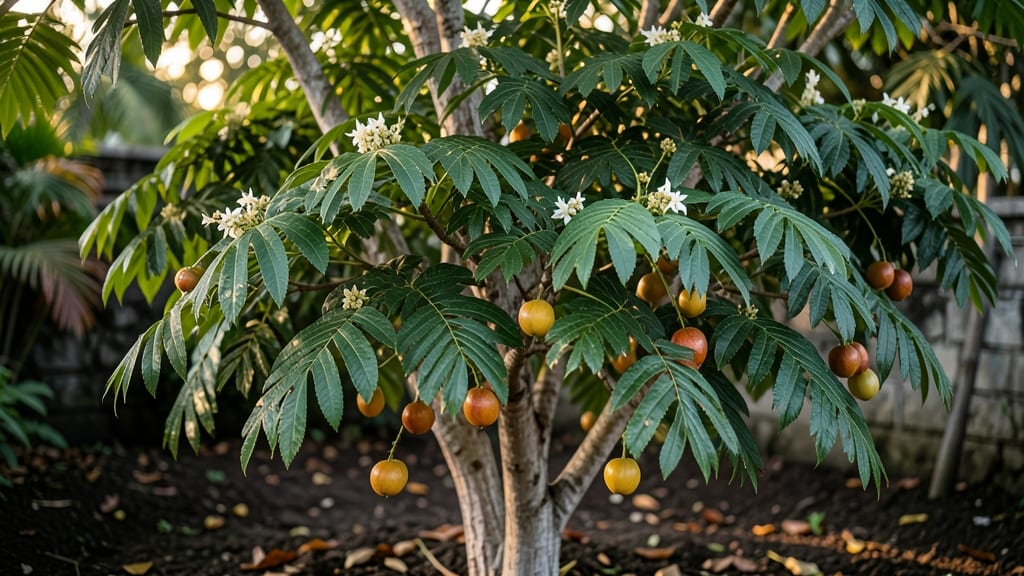
Pruning Indian tree fruits like mangoes and jackfruits isn't just about shaping branches—it’s about unlocking that year-round abundance you’ve been dreaming of. 🌿 I’ve watched my own mango tree go from sparse, tangled limbs to a lush, productive canopy just by following a few key pruning principles, and the difference in fruit yield is staggering.
What most gardeners miss is that the when and how of pruning directly control both fruit quality and quantity.
The secret lies in timing: prune your mango or jackfruit tree right after the harvest season, when new growth is about to sprout. You’re not just cutting back—you’re encouraging the tree to focus its energy on stronger branches and more flowers.
For tropical climates like India’s, this usually means late winter or early spring, but regional microclimates can shift that window by a month or two. Tools matter too: sharp, clean shears prevent disease, and a 30-degree angle on cuts helps water run off properly.
What you’ll end up with is a tree that produces larger, sweeter fruit and handles storms better. My jackfruit tree now bears fruit on every branch, and the branches themselves are thick enough to support the weight without snapping.
The key is patience—don’t rush the process, and always prune with the tree’s natural shape in mind. Traditional Indian cultivation methods often emphasize "open-center" pruning for better airflow, which cuts down on fungal diseases too.
This works for any Indian fruit tree—whether it’s your mango, amla (gooseberry), or even a young sapling. The principles scale from backyard trees to larger orchards, and the payoff comes in the form of heavier harvests and easier maintenance.
Ready to transform your tree? Let’s get those shears out and start shaping that future bounty.
📚 In This Guide
- What you need
- Instructions
- Tips and common mistakes
- Wrapping up and next steps
What you need
- ● Pruning shears – Bypass type (for clean cuts), 6-8 inches long (1 for every 5-10 trees).
- ● Loppers – 20-24 inches long, for thicker branches (2-3 per gardener).
- ● Pruning saw – Curved-tooth, 16-20 inches, for large branches (1 per tree if needed).
- ● Gloves – Heavy-duty, cut-resistant (1 pair per person).
- ● Disinfectant (70% isopropyl alcohol or bleach solution) – 1 part bleach : 9 parts water (for sterilizing tools).
- ○ Sealing wax or pruning paste – Optional but helpful for large cuts (small jar, ~8 oz).
- ● Ladder or extension pole – Sturdy, 10-20 ft tall (depends on tree height).
- ● Safety goggles – Protective, ANSI-rated (1 pair).
- ● Heavy-duty trash bags – For debris disposal (2-3 bags per pruning session).
- ● Weather check – Prune on a dry, cloudy day (avoid frost or extreme heat).
- ● Tree health assessment – Inspect for diseases, pests, or dead wood before cutting.
- ○ Marking tools – Chalk or tape (optional, for guiding cuts).
- ● First-aid kit – Bandages, antiseptic wipes (for minor injuries).
- ● Local regulations – Check if your area requires permit for large pruning jobs.
Instructions: pruning Indian tree fruit for maximum yield
Here’s the method I’ve used for years to keep my Indian tree fruit thriving—clean cuts, seasonal timing, and a little patience go a long way.
✂️ Step 1: Prune for Structure in Late Winter
Start your pruning 2-3 weeks before buds swell—this gives wounds time to heal before new growth begins. Focus on removing dead, crossing, or diseased branches first. These are easy to spot: dead wood snaps cleanly when bent, while healthy branches bend slightly. Use sharp, clean pruners to make cuts just outside the branch collar (the swollen area where the branch meets the trunk).
Next, thin out overcrowded branches to improve airflow and sunlight penetration. Aim to keep 4-6 main scaffold branches evenly spaced around the trunk. You’ll see the tree’s natural shape emerge as you remove competing growth. This step sets the stage for a strong, productive canopy.
🌿 Step 2: Light Summer Pruning After Harvest
After the main harvest, take time to prune any water sprouts—those fast-growing, vertical shoots that steal energy from fruit production. These are easy to identify: they’re thin, pale, and grow straight up like whips. Cut them back to a lateral branch or the main scaffold. Avoid heavy pruning in summer, as it stresses the tree and invites pests.
Also, remove any suckers growing from the base of the tree or graft union. These are vigorous shoots that divert energy away from fruit-bearing branches. Snip them off at ground level. This keeps the tree’s focus on producing fruit rather than wild, unproductive growth.
☀️ Step 3: Thin Fruit Clusters in Early Spring
When flower buds appear but haven’t yet opened, thin clusters to leave only 4-6 fruits per branch. Overcrowded fruit leads to small, poor-quality harvests. Gently twist off excess fruit by hand—no need for pruners. Focus on keeping the largest, healthiest-looking buds and removing weaker ones. This step ensures your remaining fruit gets enough nutrients and sunlight to grow big and sweet.
Watch for blossom clusters that form in dense groups. These often produce multiple small fruits instead of a few large ones. Thin these aggressively, leaving only the strongest flower buds. You’ll see the difference in fruit size and quality by harvest time.
⏰ Step 4: Clean Up and Maintain Year-Round
After each pruning session, sterilize your tools with rubbing alcohol to prevent disease spread. Rake up and dispose of fallen leaves and debris—this reduces pest and fungal pressure. I also like to apply a layer of mulch around the base (but not touching the trunk) to retain moisture and suppress weeds.
Keep an eye out for dieback—branches that suddenly turn brown and die. This can signal fungal issues or pest damage. Prune these out immediately and check the tree’s overall health. A well-maintained Indian tree fruit will reward you with year-round abundance if you stay consistent with these seasonal cuts.
Tips & tricks for pruning Indian tree fruit
Here's what I've learned after years of pruning these beautiful trees—these details make all the difference between a healthy harvest and wasted effort.
Timing is Everything: That 2-3 week window before buds swell in Step 1 is critical. I learned this the hard way when I pruned too early—new growth was damaged by late frosts. Check your local frost dates and count backward. For tropical varieties, aim for the dry season when pests are less active.
Tool Maintenance: Your pruners are your most important tool—keep them sharp! Dull blades crush branches instead of making clean cuts, which creates larger wounds that heal poorly. I sharpen mine with a file after every 5-6 cuts, and always wipe them clean between trees to prevent disease spread. A little maintenance prevents big problems later.
Branch Selection Strategy: In Step 1, when choosing which branches to keep, look for ones growing at a 45-degree angle from the trunk. These are called "scaffold branches" and form the tree's strong framework. Vertical branches often grow too fast and produce poor-quality fruit. I mark my tree with colored tape to track which branches I've already thinned.
Seasonal Adjustments: For trees in hot climates, reduce summer pruning to just removing water sprouts—don't thin branches during peak heat. In cooler regions, you can do light pruning throughout summer as long as you're not removing more than 25% of the foliage at once. Always prioritize removing dead wood regardless of season.
Pro Tips for Indian Tree Fruit
- Here's what I've learned after years of pruning these beautiful trees—these details make all the difference between a healthy harvest and wasted effort.
- Timing is Everything: That 2-3 week window before buds swell in Step 1 is critical.
- Tool Maintenance: Your pruners are your most important tool—keep them sharp!
Frequently asked questions
Got questions about pruning Indian tree fruits for maximum yield? You’re not alone!
Here are some of the most common queries—plus quick, actionable answers—to help you master the art of strategic cuts.
When is the best time to prune Indian tree fruits like mango, jackfruit, or guava?
The ideal time depends on the fruit type, but late winter or early spring (before bud break) is best for most Indian tree fruits. For tropical varieties like mangoes, prune during the dry season (Dec–Feb) to minimize disease risk. Avoid heavy pruning during fruiting season—focus on light shaping instead.
How do I know which branches to cut? Should I remove all dead wood?
Start by removing dead, diseased, or crossing branches (they compete for nutrients). Next, trim back overlapping or inward-growing limbs to improve airflow and sunlight penetration. For fruiting branches, cut back by 1/3 to encourage new growth—but never remove more than 25% of the canopy at once.
Will pruning reduce my fruit harvest? How soon will I see results?
Pruning won’t shrink your harvest long-term—it actually boosts fruit quality and quantity by redirecting energy. You may see fewer fruits the first year (as the tree adjusts), but within 2–3 years, you’ll notice bigger, healthier fruit and easier access for picking. Patience pays off!
Can I prune Indian tree fruits during monsoon season? What are the risks?
Pruning during monsoons is not recommended because wet conditions increase the risk of fungal infections (like anthracnose) and pest infestations. If you must prune, do it on a dry day and sterilize tools with 70% alcohol. Opt for light maintenance (removing only dead wood) instead of heavy cuts.
What’s the difference between pruning for young vs. mature Indian fruit trees?
| Young Trees (1–5 years) | Mature Trees (5+ years) |
|---|---|
| Focus: Establish strong structure (central leader + scaffold branches). | Focus: Maintain shape, remove deadwood, and thin out crowded branches. |
| When: Prune lightly after harvest or in late winter. | When: Prune in off-season (Dec–Feb) or post-harvest. |
| Goal: Encourage upward growth and branch spread. | Goal: Improve airflow, sunlight, and fruit accessibility. |
Pro Tip:
Always sterilize your pruning tools between cuts (use a bleach solution or rubbing alcohol) to prevent spreading diseases like bacterial blight. And remember: Less is more—gradual pruning yields better long-term results than aggressive cuts!
Wrapping up and next steps
Indian tree fruits like mangoes, jackfruits, and guavas reward patience—and the right pruning skills—with bountiful harvests year after year. By mastering seasonal cuts, you’ll boost airflow, shape growth, and maximize fruit production while keeping your tree healthy.
Whether you’re a beginner or a seasoned gardener, start small, observe your tree’s response, and refine your technique over time.
🌱 Ready to transform your orchard? Grab your pruners, mark your calendar for the next pruning season, and take action—your future harvests will thank you! 🍈✨