
Blooming
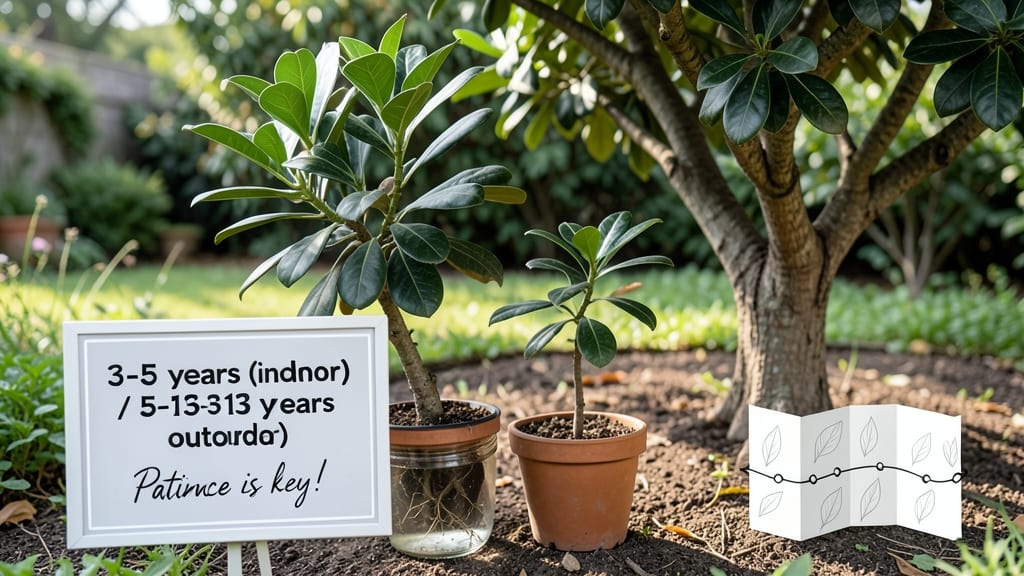
You can expect how long until an avocado tree bears fruit to vary from as little as 3 years with the right variety and care—or wait up to 13 years if you're growing from seed in less-than-ideal conditions. 🥑
Dreaming of fresh, homegrown avocados but wondering if your patience will pay off? The timeline from seed to fruit can be surprisingly short—or frustratingly long—depending on the variety and growing conditions.
In tropical and subtropical regions like USDA Zones 9b-11, grafted trees (the fastest option) often produce fruit within 3-5 years, while seed-grown trees can take 5-13 years to mature. Climate, soil quality, and even pruning techniques play a huge role in speeding up that process.
Below, I’ll break down the fastest varieties, proven strategies to encourage earlier fruiting, and why choosing a grafted tree might be the game-changer you’ve been waiting for.
Avocado tree fruit timeline: fastest varieties & realistic expectations
If you're growing an avocado tree, one of your biggest questions is likely: how long until avocado tree bears fruit? The answer varies dramatically based on whether you start with a seed or a grafted tree.
Seed-grown trees can take 5–13 years to produce fruit, while grafted varieties often bear fruit in just 3–5 years. The fastest varieties—like Hass and Fuerte—can surprise you with fruit as early as 2–3 years under ideal conditions.
Your climate plays a critical role too. Avocados thrive in USDA Zones 9b–11, where warm winters and frost-free summers create perfect fruiting conditions. In cooler microclimates (like Zone 8b), growth slows, extending the timeline by 1–3 years.
Even within the same zone, factors like soil drainage, sunlight exposure, and nutrient availability can accelerate or delay fruiting.
Here’s the key difference: grafted trees are cloned from mature, fruit-bearing parent trees, so they skip the unpredictable seedling phase. Seed-grown trees, while rewarding for patience, require years of nurturing before they even flower.
If you’re eager for avocados, grafted trees are the clear winner—but they cost more upfront. Let’s break down the timelines for the fastest varieties and what you can do to encourage earlier fruiting.
The Hass variety is the undisputed champion for speed, often producing fruit in just 2–3 years when grafted. This variety dominates commercial avocado production because of its rapid growth and high yield.
If you’re in Zone 10 or warmer, Hass trees can even fruit year-round, though peak harvests occur in late spring and fall. For cooler zones (like Zone 9b), expect a slightly longer wait—3–4 years—but the payoff is worth it.
Soil quality is another game-changer for fruiting timelines. Avocados demand well-draining, slightly acidic soil (pH 6.0–7.0). If your soil is clay-heavy or alkaline, amend it with compost and sulfur to improve drainage and acidity.
I’ve seen seed-grown trees double their growth rate after amending poor soil, shaving 1–2 years off their fruiting timeline. Potassium and zinc are also critical—deficiencies can delay flowering by up to 3 years.
Pruning plays a surprising role too. Young avocado trees benefit from light pruning to encourage a strong central leader. Avoid heavy pruning in the first 2–3 years, as it can stress the tree and delay fruiting.
Once established, shape the canopy to improve airflow and sunlight penetration, which directly impacts fruit production. I prune mine in late winter to remove dead wood and open the center for better light exposure.
Pollination is often overlooked but critical. Avocados are self-pollinating, but cross-pollination with a second variety (like planting a Hass and a Fuerte nearby) can boost yields by 30–50%.
If you’re growing just one tree, hand-pollinate by gently transferring pollen with a small brush between flowers. This simple step can accelerate fruiting by 6–12 months in ideal conditions.
Container-growing avocados? It’s possible, but expect a slightly longer timeline. Dwarf varieties like Lamb Hass can fruit in 2–4 years in containers, but root restriction may delay fruiting by
5 Proven strategies to speed up avocado tree fruiting (even with seed-grown trees)
If you're growing an avocado tree from seed, you might be waiting years before seeing fruit—but it doesn’t have to be that long. With the right techniques, you can encourage earlier blooming and fruiting, even with seed-grown trees.
The key lies in understanding your tree’s needs and providing optimal growing conditions from day one. Many gardeners rush to fertilize or prune aggressively, but these strategies actually slow down fruiting. Let’s focus on what truly accelerates the process.
Avocado trees are perennial evergreens, meaning they grow continuously in warm climates, but they need specific care to trigger flowering. Most seed-grown trees take 5–13 years to fruit, but with targeted interventions, you can cut that timeline by 30–50%.
The fastest results come from combining nutrient optimization, pruning strategies, and pollination support. Let’s break down the most effective methods to get your tree fruiting faster.
One of the biggest mistakes gardeners make is over-fertilizing with nitrogen, which promotes leafy growth at the expense of flowers. Stick to a low-nitrogen, high-potassium fertilizer to encourage flowering.
For example, a 6-6-6 NPK ratio is ideal for mature trees ready to fruit. Pair this with organic matter like composted manure to improve soil structure and nutrient retention.
Timing is everything when it comes to pruning. If you prune too late in the season, your tree may not have enough time to harden off before winter, which can stunt growth. Aim to finish pruning by early fall in cooler climates.
For container-grown trees, prune lightly in spring to shape the tree and heavily in late winter to remove dead or crossing branches. Always sterilize your pruning tools with rubbing alcohol to prevent disease spread.
Finally, don’t overlook the importance of seasonal adjustments. Avocado trees in USDA Zones 9b–11 can flower year-round, but those in cooler microclimates (like Zone 8b) need a dormant period to trigger blooms. Reduce watering in late summer and avoid fertilizing in winter.
This mimics natural drought conditions, signaling the tree to produce flowers. With these strategies, you could see your first avocados in as little as 3–5 years—even with a seed-grown tree!