
Trees
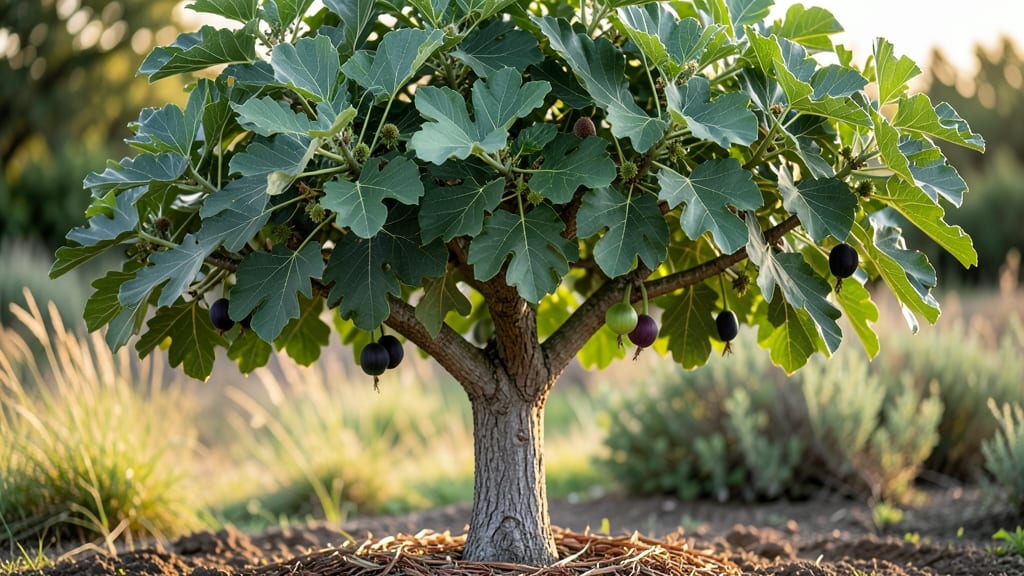
Fig trees vary wildly in height and width—from towering giants to compact patio stars—so picking the right size for your space is the first step to success.
If you love figs but lack the space for a sprawling tree, choosing the right variety can make all the difference—some fig trees stay compact while still producing abundant fruit.
In this guide, we’ll break down the mature dimensions of popular fig tree varieties, from dwarf types under 8 feet to standard trees reaching 30 feet or more. You’ll learn how spacing, pruning, and container planting can shape your tree’s growth and which varieties thrive in tight urban gardens.
Whether you’re designing a small balcony garden or planning a backyard orchard, knowing your fig tree’s height and width ensures you pick the perfect fit for your space—and your fruit goals.

How tall and wide do fig trees grow? Mature size guide by variety
Fig trees offer a stunning mix of ornamental beauty and delicious fruit, but their mature size varies dramatically between varieties. Some sprawl into towering giants, while others stay compact enough for containers.
Knowing the height and width of your chosen fig tree helps you plan spacing, pruning, and even container sizes to ensure a thriving harvest.
Standard fig trees can reach 20-30 feet tall with a spread of 15-20 feet wide, making them unsuitable for small yards. However, dwarf and semi-dwarf varieties offer space-saving solutions without sacrificing fruit production. The key is selecting a variety that matches your available space and growth goals.
Below is a detailed breakdown of fig tree dimensions by variety, including their mature height, width, and ideal growing conditions. This guide helps you visualize how each type will fit into your garden or container setup.
| Variety | Mature Height | Mature Width | Growth Habit | Best For |
|---|---|---|---|---|
| Brown Turkey | 15-20 ft | 12-15 ft | Upright, spreading | Large gardens, orchards |
| Celeste | 10-15 ft | 8-12 ft | Compact, rounded | Medium gardens, containers |
| Little Miss Figgy | 6-8 ft | 4-6 ft | Dwarf, bushy | Containers, patios, small yards |
| Violette de Bordeaux | 8-12 ft | 6-8 ft | Semi-dwarf, upright | Small gardens, urban areas |
| Osborn Prolific | 12-18 ft | 10-14 ft | Spreading, vigorous | Rural gardens, large yards |
| Chicago Hardy | 10-15 ft | 8-12 ft | Cold-hardy, upright | Northern climates, medium gardens |
When choosing a fig tree, consider your available space and intended use. For example, the Little Miss Figgy variety stays under 8 feet tall and 6 feet wide, making it perfect for containers on patios or balconies.
In contrast, the Brown Turkey variety can reach 20 feet tall, requiring ample yard space and regular pruning.
Container growing is an excellent option for smaller varieties. A 5-gallon pot works well for dwarf fig trees like Little Miss Figgy during their first year, while mature trees may need 15-20 gallon containers to accommodate their root systems. Always ensure containers have drainage holes to prevent root rot.
Pruning plays a crucial role in managing fig tree size. Regular pruning not only controls height and width but also improves airflow and fruit production. For standard varieties, prune in late winter or early spring to shape the tree and remove dead or crossing branches.
Dwarf varieties benefit from lighter pruning to maintain their compact form.
Climate also influences fig tree growth. In warmer regions like USDA Zones 8-11, fig trees grow larger and faster, while colder climates may stunt their growth. Varieties like Chicago Hardy are bred to thrive in cooler zones, staying smaller and more manageable in Zones 5-7 with proper winter protection.
If you're planning to grow fig trees near structures like fences or walls, account for their mature width. A 10-foot spread means the tree should be planted at least 5 feet away from walls to allow for airflow and future growth.
Always check local frost dates and sunlight requirements when selecting a variety.
For urban gardeners or those with limited space, consider espalier training. This method involves pruning and training branches to grow flat against a wall or fence, reducing the tree's footprint by up to 50% while maintaining fruit production.
Espaliered fig trees can fit beautifully in small yards or even against garage walls.
Remember, fig trees are fast-growing in ideal conditions, so monitor their growth closely. With the right variety and care, you can enjoy fresh figs without sacrificing your garden's layout or aesthetics.
Best space-saving fig tree varieties for small gardens and containers
If you're dreaming of fresh figs but limited by space, compact fig tree varieties are your perfect solution. These dwarf and semi-dwarf types stay under 8 feet tall and 6 feet wide, making them ideal for patios, balconies, and even large containers.
With the right variety, you can enjoy abundant fruit production without sacrificing your garden's layout.
Not all fig trees need to be giants—some varieties are bred specifically for small spaces. These space-saving figs grow well in containers or ground plantings, as long as they get full sun exposure and proper care.
Whether you're an urban gardener or have a cozy backyard, these varieties will thrive while keeping your space organized and functional.
- 🌱 'Little Miss Figgy' - Height: 6-8 ft, Width: 4-5 ft - Perfect for containers, cold-hardy, and produces sweet fruit.
- 🍇 'Violette de Bordeaux' - Height: 7-8 ft, Width: 5-6 ft - Stunning purple fruit, great for small gardens and pots.
- 🌿 'Celeste' - Height: 6-7 ft, Width: 4-5 ft - Compact, cold-resistant, and produces large, sweet figs.
- 🪴 'Desert King' - Height: 8 ft, Width: 6 ft - Drought-tolerant, ideal for arid climates, and stays manageable in containers.
- 🍑 'Brown Turkey' (dwarf form) - Height: 5-6 ft, Width: 4-5 ft - Classic variety with adaptable size for small spaces.
When selecting a variety, consider your climate zone and container size. For example, 'Little Miss Figgy' is one of the most cold-hardy options, making it ideal for USDA zones 5-9. Meanwhile, 'Violette de Bordeaux' thrives in warmer zones but produces stunning fruit that's perfect for small-space gardens.
Container gardening is a great option for these compact figs. Use a 15-20 gallon pot with drainage holes and well-draining soil. Place your container in a sunny spot, and don't forget to water deeply during dry spells.
With proper care, your container-grown fig tree can produce fruit just as well as its ground-planted counterparts.
Regular pruning and training will help maintain your fig tree's compact size. Prune in late winter or early spring to remove dead or crossing branches, and shape the tree to fit your space. For container-grown figs, you may also need to stake the tree for support as it grows.
With these space-saving fig tree varieties, you can enjoy fresh figs without the need for a large yard. Whether you choose a container-grown tree or a ground-planted dwarf variety, these options will bring both beauty and bounty to your small garden. Happy gardening! 🌳