
How To
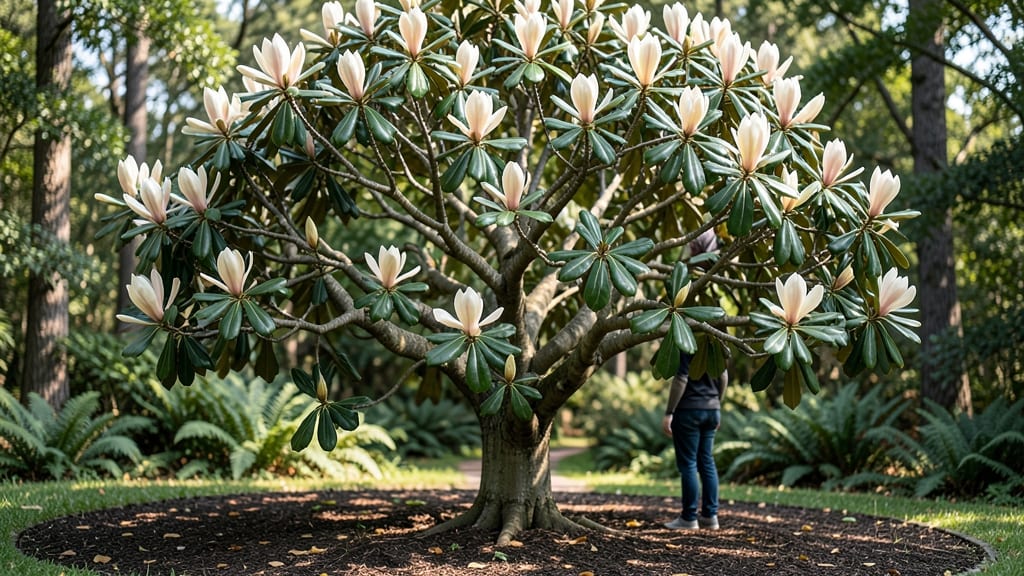
A magnolia tree can grow how tall does a magnolia tree grow anywhere from 8 feet to towering heights of over 80 feet, depending on the species and growing conditions.
Picture this: a tiny dwarf magnolia 🌳 blooming in a container on your patio, or a majestic Southern Magnolia stretching toward the sky like a living cathedral. The difference between these two isn’t just height—it’s the entire landscape plan.
If you’re working with a small yard, you’ll want to focus on compact varieties like the Little Gem or Black Tulip, which max out around 20 feet.
But for statement pieces, the giant species like the Saucer Magnolia can reach 40 feet or more, making them better suited for large properties or as specimen trees.
Below, I’ll break down the exact height ranges by species, how fast they grow, and what factors—like soil, pruning, and climate—can influence their final size. You’ll also find tips on choosing the right magnolia for your space, whether you’re dreaming of a privacy screen or a single showstopper.


Magnolia tree height ranges: dwarf to giant varieties explained
Magnolia trees are nature's showstoppers, but their mature heights can vary dramatically—from compact dwarf varieties that fit in containers to towering giant magnolias that dominate landscapes. If you're planning your garden layout, knowing these height ranges will help you choose the perfect magnolia for your space.
Let's explore the four main categories: dwarf (3-10 ft), small (10-20 ft), medium (20-40 ft), and giant (40-100+ ft).
The Southern Magnolia (Magnolia grandiflora) is the most iconic giant, reaching heights of 60-80 feet with a spread of 25-40 feet. Meanwhile, the Star Magnolia (Magnolia stellata) stays petite at just 10-20 feet, making it ideal for small yards.
Your choice depends on whether you want a statement tree or a space-saving specimen.
Here’s a quick comparison of magnolia tree heights to help you visualize their mature sizes:
Dwarf magnolias like 'Little Gem' (Magnolia grandiflora 'Little Gem') grow just 6-10 feet tall and are perfect for containers or small spaces. These varieties are ideal if you love magnolia blooms but lack yard space. They thrive in USDA Zones 7-10 and require minimal pruning.
Small magnolias, such as the Star Magnolia, are early bloomers that reach 10-20 feet at maturity. Their delicate white flowers appear in late winter, making them a seasonal highlight. These are great for foundation planting or as focal points in small gardens.
Medium-height magnolias, like the Saucer Magnolia (Magnolia × soulangeana), grow 20-40 feet tall and are excellent for creating privacy screens or adding shade to patios. Their vibrant pink or purple blooms in early spring make them a standout feature in any landscape.
Giant magnolias, such as the Southern Magnolia, are statement trees that can reach 80 feet or more. These evergreens provide year-round interest with their glossy leaves and fragrant white flowers. They’re best suited for large properties or as specimen trees in parks and estates.
When selecting a magnolia, consider your yard size, climate zone, and sunlight exposure. Dwarf varieties thrive in containers or small gardens, while giants need ample space to spread their roots and branches. Always check the mature height and spread before planting to avoid overcrowding.
Pruning plays a key role in managing height. For dwarf and small varieties, light pruning after flowering keeps them compact and bushy. For medium and giant magnolias, structural pruning during late winter helps maintain their shape and encourages healthy growth.
If you're unsure which magnolia fits your space, start with a small or dwarf variety to test the soil and climate conditions. Once you’re confident, you can graduate to larger varieties like the Southern Magnolia for a grander presence in your landscape.
🌳
How to choose a magnolia tree based on your space and climate
Selecting the right magnolia tree depends on your yard size and local climate. These trees thrive in USDA Zones 4-9, but their mature heights vary dramatically.
I’ll help you match varieties to your space and growing conditions, so you avoid planting a giant magnolia where a dwarf variety would fit better.
Start by measuring your space—whether it’s a small urban garden or a sprawling backyard. Then, consider sunlight exposure: most magnolias prefer morning sun with afternoon shade, but some tolerate full sun. Finally, check your hardiness zone to ensure the variety you choose will thrive long-term.
Here’s how to pair magnolia varieties with your space and climate for a perfect fit:
-
Small Spaces (Under 10 ft)
- ‘Little Gem’ (10-15 ft) – Compact, fast-growing, great for narrow yards
- ‘Black Tulip’ (8-12 ft) – Dwarf variety with stunning dark leaves
-
Medium Yards (10-25 ft)
- ‘Ann’ (15-20 ft) – Fragrant blooms, ideal for foundation planting
- ‘Jane’ (12-15 ft) – Cold-hardy, great for USDA Zone 4
-
Large Backyards (25+ ft)
- Southern Magnolia (60-80 ft) – Classic giant, needs space and humidity
- Star Magnolia (20-30 ft) – Early bloomer, thrives in USDA Zone 5-9
-
Pruning Tips for Height Control
- Prune young magnolias in late winter to shape early growth
- Avoid heavy pruning—magnolias bloom on old wood, so limit cuts
- Use thinning cuts to improve airflow and reduce disease risk
For hot, dry climates, opt for varieties like ‘Elizabeth’ or ‘Brickhouse’, which tolerate heat better than Southern Magnolias. In cooler regions, prioritize cold-hardy options like ‘Yellow Bird’ or ‘Davidson’, which handle USDA Zone 4 winters with ease.
If you’re unsure about your space, start with a container-grown magnolia like ‘Little Gem’—it’s versatile and can be planted in the ground later if it outgrows its pot. Always plant in well-draining soil and mulch heavily to retain moisture, especially during the first few years.
With the right variety and care, your magnolia will thrive for decades, becoming the centerpiece of your landscape. Happy planting! 🌳