
How To
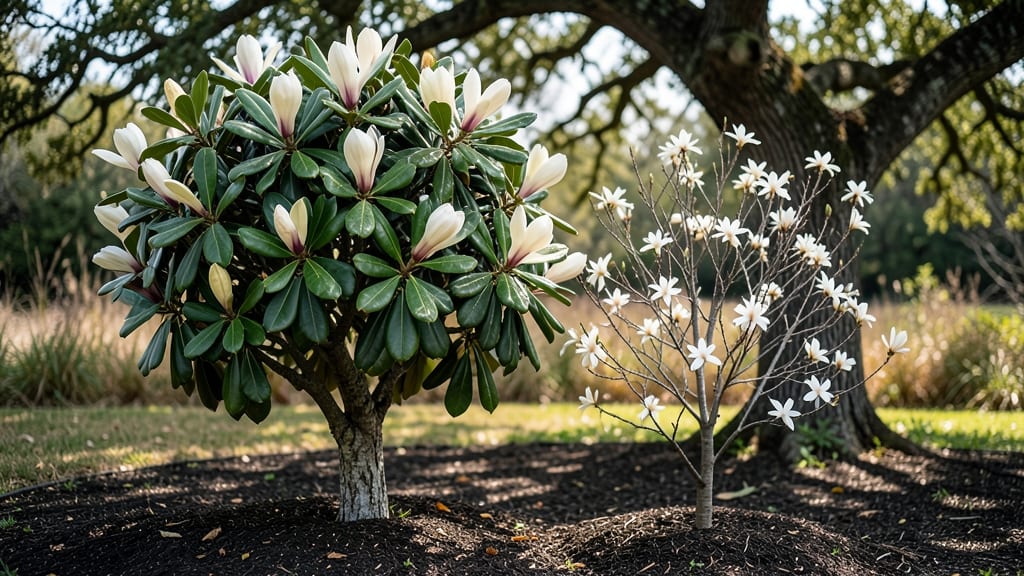
A magnolia tree can grow how tall a magnolia tree grows anywhere from 8 feet to towering over 100 feet, depending on the variety and growing conditions — and knowing the right size for your space makes all the difference.
Imagine planting a Southern Magnolia 🌸 in your backyard, only to watch it stretch toward the sky like a skyscraper, blocking sunlight for your entire property. Or picture a Star Magnolia thriving in a small garden, its delicate blooms just a few feet off the ground.
The height difference isn’t just about aesthetics—it’s about planning for years of growth.
Some magnolias stay compact, perfect for urban gardens or patios, while others become landscape anchors, dominating yards with their grandeur. The key is choosing the right type for your yard’s size and climate, and understanding how soil, sunlight, and pruning can influence their final height.
In this guide, you’ll discover the height ranges for popular magnolia varieties, how fast they grow, and practical tips to manage their size—whether you want a dwarf for a balcony or a giant for a sprawling estate.


Magnolia tree height guide: small to giant varieties explained
Choosing a magnolia tree often comes down to one big question: how tall will it grow? The answer varies wildly—from petite shrubs perfect for small yards to towering giants that need acres of space.
Understanding these height differences helps you pick the right variety for your landscape while avoiding future headaches. Whether you envision a dwarf magnolia near your patio or a Southern Magnolia as a backyard centerpiece, knowing the growth potential is key.
Magnolias grow at different rates depending on the species and growing conditions. Some varieties reach their mature height in just 10-15 years, while others take decades to fully develop.
For example, the Star Magnolia (Magnolia stellata) stays compact, while the Southern Magnolia (Magnolia grandiflora) can become a 100-foot-tall giant. Let’s break down the most popular types and their expected mature heights to help you plan your garden layout.
If you’re working with limited space, dwarf varieties like the Star Magnolia or 'Little Gem' are excellent choices. These stay under 25 feet tall and thrive in containers or small gardens.
On the other hand, if you have ample room and want a statement tree, the Southern Magnolia or Yellow Magnolia will dominate your landscape with their towering heights and dramatic foliage.
Growth rate also plays a crucial role in planning. Most magnolias grow 1-2 feet per year when young, but this slows as they mature. For instance, a Star Magnolia might reach 10 feet in 10 years, while a Southern Magnolia could take 30-50 years to reach its full height.
Patience is key—these trees are long-lived and worth the wait for their stunning blooms and shade.
Another factor to consider is your yard’s sunlight exposure. Magnolias prefer partial shade to full sun, but too much direct afternoon sun can stress younger trees, slowing their growth.
Planting in morning sun with afternoon shade often results in healthier, faster-growing magnolias. Additionally, well-draining, slightly acidic soil (pH 5.0–6.5) encourages optimal growth and prevents root rot, which can stunt height.
Pruning can also influence how tall your magnolia grows. While topping or aggressive pruning might seem like a way to control height, it often leads to weak, leggy growth and fewer flowers. Instead, focus on structural pruning to remove dead or crossing branches and shape the tree naturally.
If you’re concerned about height, choose a variety with a naturally compact habit—like the 'Black Tulip' Magnolia—which tops out around 15 feet.
For those with urban or suburban spaces, consider the 'Jane' or 'Ann' Magnolias, which are semi-dwarf varieties reaching 15-30 feet. These are perfect for smaller yards but still offer the classic magnolia experience.
Always check the mature height and spread of a variety before planting, as some magnolias develop wide canopies that require extra space.
Finally, remember that magnolias are slow-growing trees with lifespans of 100+ years. Planting one is a long-term investment, so choose a variety that aligns with your landscape vision and available space. With the right selection, your magnolia will provide decades of beauty, shade, and fragrant blooms—without overwhelming your property.
How to choose a Magnolia tree based on your yard size
Selecting the right magnolia tree for your space starts with understanding your yard’s dimensions. A Southern Magnolia (Magnolia grandiflora) can reach 80-100 feet—taller than a 10-story building—while a dwarf variety like 'Little Gem' stays under 15 feet.
Matching the tree to your space prevents future headaches and ensures your magnolia thrives without crowding structures or overwhelming your landscape.
For small urban gardens or courtyards, opt for compact magnolias like 'Black Tulip' or 'Jane'. These stay between 10-15 feet tall and fit neatly into tight spaces.
In contrast, sprawling estates can accommodate giant varieties like the Evergreen Magnolia or Tulip Magnolia, which demand 50+ feet of vertical space and 20-30 feet of horizontal spread.
🌱
-
Dwarf Magnolias (8-15 ft)
Ideal for small yards, patios, or container growing. Examples: 'Little Gem', 'Black Tulip', 'Spring Snow'.
-
Semi-Dwarf Magnolias (15-30 ft)
Perfect for medium-sized yards or as focal points in landscapes. Examples: 'Ann', 'Jane', 'Elizabeth'.
-
Standard Magnolias (40-100 ft)
Best for large properties, parks, or as statement trees. Examples: Southern Magnolia, Star Magnolia, Saucer Magnolia.
-
Pruning for Height Control
Prune after flowering (late spring/early summer) to shape growth. Avoid heavy pruning—magnolias respond poorly to aggressive cuts.
-
Spacing Guidelines
Plant dwarf varieties 6-10 feet from structures; standard trees need 30-50 feet of clearance.
If your yard is under 20 feet wide, prioritize columnar or bushy varieties like 'Yellow Bird' or 'Teddy Bear'. These grow 10-15 feet tall but maintain a narrow profile, making them ideal for tight spaces.
For larger yards, consider multi-stemmed magnolias like 'Bracken's Brown Beauty', which create a natural, sprawling effect without requiring excessive space.
Pruning plays a critical role in managing height. For dwarf varieties, light pruning in late winter encourages bushier growth. For standard magnolias, focus on structural pruning to remove dead or crossing branches while preserving the tree’s natural shape.
Never prune in fall, as this can stimulate late-season growth vulnerable to frost damage.
🌿
Remember, magnolias grow slowly—expect 1-2 feet of growth per year for most varieties. This means a 10-foot dwarf magnolia might take 5-10 years to reach maturity, while a 60-foot Southern Magnolia could take 30+ years.
Plan ahead by checking your tree’s mature height and spread before planting, and always account for future growth when selecting a location.