
Pruning
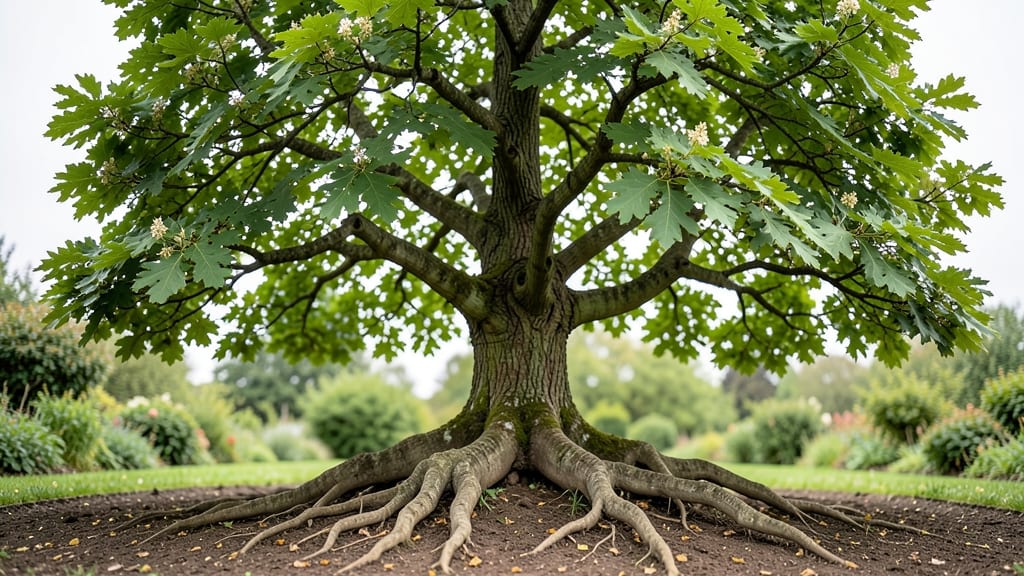
A picture of tree with roots and branches isn’t just a natural wonder—it’s the heartbeat of a garden’s soul. 🌳 The way they intertwine creates movement, shade, and even drama in your landscape, turning a simple yard into a living masterpiece.
I’ve spent years studying how trees like the weeping willow or gnarled oak transform spaces, and the best designs start with understanding this balance.
Roots anchor the tree while shaping soil health, while branches dictate light and form. A tree with strong, spreading roots stabilizes slopes, while arching branches frame pathways or create cozy nooks. Think of it like a living sculpture—every curve and twist tells a story.
The key is choosing trees that match your space’s needs, whether it’s a towering shade provider or a low-growing accent.
You’ll end up with a garden that feels intentional, not random. The right tree can soften harsh lines, highlight architectural features, or even tie together different planting zones. And the best part?
It works year-round—bare branches in winter add texture, while summer foliage provides shade and life. The design possibilities are endless when you see trees as both art and function.
Start small with a single statement tree, or plan a full canopy layer. Either way, your garden will gain depth, character, and that effortless "wow" factor. Let’s explore how to make it happen—without overcomplicating things.
📚 In This Guide
- What you need
- Instructions
- Tips and common mistakes
- Wrapping up and next steps
What you need
- ● Reference Image: A high-resolution picture of a tree with roots and branches (print or digital). Look for natural, well-balanced examples for inspiration!
- ● Art Supplies (Choose One): Sketching: Pencil (HB or 2B), eraser, sketchbook (8.5"x11" or larger), ruler, and fine-liner for details.
- ● Painting: Acrylic/watercolor paints, brushes (varied sizes: #2, #6, #10), palette, and canvas or watercolor paper (140lb weight).
- ● Digital Art: Tablet (e.g., Wacom), graphic design software (Procreate, Photoshop), and a stylus.
- ○ Tools for Pruning (Optional): Pruning shears (bypass type), loppers, and safety gloves if working with real plants.
- ● Reference books on botanical illustration or tree anatomy for accuracy.
- ● Tracing paper (for sketching layers) or grid paper (for scaling).
- ● Charcoal or pastels for shading depth in roots/branches.
- ● Spray bottle (for watercolor blending) or a hairdryer (for quick-drying acrylic layers).
- ● Camera or phone with a macro lens for close-up details.
How to achieve year-round structural balance in trees
Let’s create harmony between roots and branches for a tree that thrives in every season.
🌱 Step 1: Assess Root and Branch Structure
Start by examining the tree’s foundation—roots and branches should mirror each other in strength. Healthy roots spread outward like fingers, anchoring the tree while branches grow upward and outward in balance. Look for signs of imbalance: if branches are heavy on one side or roots are exposed, the tree may struggle to support itself.
Gently move mulch or soil away from the base to inspect roots. You’ll notice strong, white or light brown roots spreading outward—these are your tree’s lifeline. If roots are circling or compacted, they’ll restrict growth. Use a tape measure to check if branches extend at least 12 inches outward for every 1 foot of height—this ensures stability.
☀️ Step 2: Prune for Balance and Light Penetration
Pruning isn’t just about cutting back—it’s about sculpting. Remove branches that grow inward or cross each other, as they create weak points and block sunlight from reaching the center. Focus on removing no more than 25% of the tree’s foliage at once to avoid shocking it.
Use sharp pruning shears to make clean cuts just outside the branch collar (the swollen area where the branch meets the trunk). This prevents tears and promotes faster healing. After pruning, step back and visualize the tree’s new shape—branches should fan out evenly, like fingers on a hand, allowing light to reach all parts of the canopy.
💧 Step 3: Support Roots with Proper Mulching and Watering
Mulch acts as a protective layer for roots, regulating soil temperature and retaining moisture. Spread 2-3 inches of organic mulch (like wood chips or shredded bark) in a 3-foot-wide ring around the tree, keeping it 6 inches away from the trunk to prevent rot. Avoid piling mulch against the bark—this traps moisture and invites pests.
Water deeply once a week during dry spells, ensuring the soil is moist 6 inches below the surface. You’ll know it’s right when water drains through but doesn’t pool. Overwatering suffocates roots, while underwatering stresses the entire tree. A soil probe or your finger can tell you—if the soil feels dry, it’s time to water.
✂️ Step 4: Monitor and Adjust Seasonally
Trees change with the seasons, so check them every 3 months for signs of stress. In spring, look for new growth—healthy leaves should be vibrant green and evenly distributed. In summer, watch for wilting or yellowing, which can signal overwatering or pests. Fall is the best time to prune, as the tree enters dormancy and heals faster.
If you notice leaning branches or uneven growth, reinforce the tree with tree ties or stakes if needed. Never wrap wire tightly around the trunk—it can girdle the tree and kill it over time. Instead, use soft, flexible materials that allow the tree to sway naturally, building strength like a dancer in the wind.
Tips & tricks for perfect tree structural balance
Creating harmony between roots and branches isn't just about cutting here or there—it's about understanding your tree's natural rhythm. Here's how to make the process even smoother and more effective.
Visual Assessment First: When checking your tree's balance in Step 1, look for the "V-shaped" root spread that matches the branch canopy above. Healthy trees show roots spreading outward at about a 45-degree angle from the trunk—this creates the natural stability we're aiming for. If you notice roots growing straight down instead of outward, you'll want to gently loosen them to encourage that outward growth pattern.
Pruning Precision: In Step 2, when making those clean cuts just outside the branch collar, take your time to visualize the tree's final shape. I always imagine the branches forming a gentle dome—this allows sunlight to reach all parts of the canopy while maintaining that natural, balanced look. Remember, you're sculpting, not just trimming. A good rule of thumb is to aim for branches that extend outward at about a 60-degree angle from the trunk when mature.
Mulching Technique: For Step 3, when applying that 2-3 inch layer of organic mulch, create a slight depression around the trunk to prevent water pooling. This simple adjustment helps prevent rot while still providing all the moisture-retention benefits. I've found that using wood chips creates a more natural look that blends beautifully with the landscape while serving its functional purpose.
Seasonal Timing: The 3-month monitoring schedule in Step 4 is perfect, but I've found that adding a quick seasonal checklist helps. In spring, check for bud break timing across the entire tree—uneven budding can signal underlying issues. In fall, look for leaf color changes starting from the outer branches and moving inward, which is a natural sign the tree is preparing for dormancy.
Pro Tips for Picture Of Tree With Roots And Branches
- Creating harmony between roots and branches isn't just about cutting here or there—it's about understanding your tree's natural rhythm.
- Visual Assessment First: When checking your tree's balance in Step 1, look for the "V-shaped" root spread that matches the branch canopy above.
- Pruning Precision: In Step 2, when making those clean cuts just outside the branch collar, take your time to visualize the tree's final shape.
Frequently asked questions
about capturing or understanding the beauty of a tree with balanced roots and branches—whether for pruning, photography, or inspiration.Why do tree roots and branches need to be in balance for a healthy tree?
A tree’s roots and branches rely on each other for stability and nourishment. Overgrown branches can strain the root system, while weak roots struggle to support heavy foliage. A balanced structure ensures the tree stays upright, resists disease, and thrives year-round. Think of it as the tree’s natural skeleton—strong roots = sturdy branches!
How can I take a clear picture of a tree’s roots and branches together?
For a striking shot, focus on contrast and angles. Use a wide-angle lens to capture both roots (dig a shallow trench if needed) and branches in one frame. Shoot during golden hour (early morning/late afternoon) for soft lighting. Pro tip: Include a reference object (like a hand or ruler) to show scale!
When is the best time of year to prune for balanced roots and branches?
Late winter to early spring (before buds swell) is ideal for most trees. This timing minimizes stress and disease risk. Evergreens can be pruned in summer, while fruit trees often need pruning post-harvest. Avoid heavy pruning in fall—it invites pests and weakens growth for the next season.
What if my tree’s branches are too heavy for the roots to support?
Start by thinning out (removing entire branches at the base) rather than just trimming tips. Focus on water sprouts (fast-growing vertical shoots) and crossing branches. If the tree is severely imbalanced, consult an arborist—they can assess whether cabling (support wires) or bracing is needed.
Can I improve root-to-branch balance in a young tree?
For young trees, avoid over-watering (it encourages weak roots) and mulch properly (2–4 inches of organic mulch, keeping it away from the trunk). Prune early to shape the canopy before roots establish. Air-pruning (using root pruning containers) can also encourage stronger root systems in container-grown trees.
Wrapping up and next steps
A picture of a tree with roots and branches isn’t just visually stunning—it’s a masterclass in nature’s balance. The harmony between a sturdy root system and graceful branches teaches us that strength and beauty go hand in hand, whether in gardening or life. 🌳✨
Ready to bring that balance to your own trees? Start small—prune with confidence, observe growth, and let your green space thrive year-round! Your next step? Grab those tools and give your tree the care it deserves.