
How To
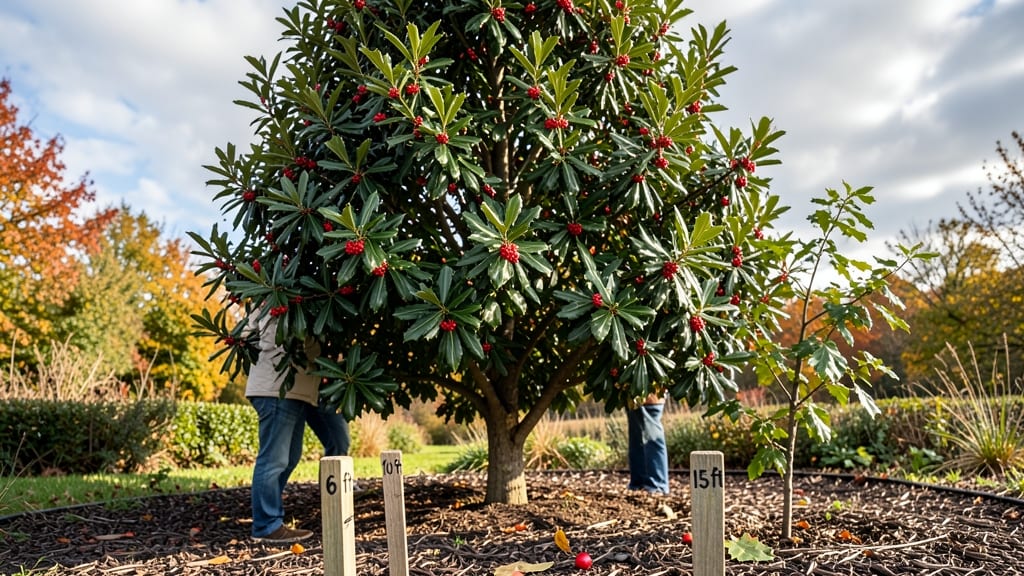
Holly tree height ranges by native species: from dwarf to towering giants
Choosing a holly tree for your landscape means balancing beauty with space—some varieties grow tall enough to rival redwoods, while others stay small enough for container gardens. The Ilex genus includes over 400 species, but only a few dominate U.S. gardens.
Understanding their mature height ranges helps you pick the perfect fit for your yard, whether you want a privacy screen or a holiday centerpiece.
Growth rates vary wildly: a dwarf holly might reach 8 feet in a decade, while a tall American holly could stretch 50 feet in 30 years. Climate zone matters too—holly trees in Zone 9 grow faster than those in Zone 4.
Let’s break down the most popular species and their height expectations to help you plan your landscape with confidence.
The American holly (Ilex opaca) is the tallest native species, often reaching 50 feet in ideal conditions—perfect for rural properties or wooded areas. Its spiny leaves and bright red berries make it a favorite for wildlife, but its size demands space.
If you’re in Zone 5 or colder, expect slower growth; in Zone 8+, it thrives with 3–4 feet per year.
For smaller spaces, the Chinese holly (Ilex cornuta) is a game-changer. Varieties like 'Sky Pencil' stay under 10 feet while producing abundant berries. Its sharper leaves deter deer, and it adapts well to containers, making it ideal for patios or balconies.
In Zone 7–9, it grows 1–1.5 feet annually, while colder zones see slower gains.
Japanese holly (Ilex crenata) is the dwarf champion, rarely exceeding 12 feet. Cultivars like 'Green Lustre' are prized for their dense, glossy foliage and low-maintenance nature.
This species thrives in Zones 5–8 and grows just 0.5–1 foot per year, making it perfect for hedges or topiary. Its non-spiny leaves also make it safer for families with kids or pets.
Pruning plays a huge role in controlling height. For tall holly trees, prune in late winter to remove water sprouts and shape the canopy. Use sterilized shears to avoid disease, and never cut more than 25% of the foliage in one season.
Dwarf varieties benefit from annual trimming to encourage bushiness, while mature trees may only need light shaping every 2–3 years.
If you’re in Zone 4–5, opt for hardy varieties like 'Winter Gold' (a Chinese holly hybrid) or '
How climate zones affect holly tree growth: best regions for maximum height
Holly trees thrive in diverse climates, but their maximum height depends heavily on your USDA hardiness zone. Cooler zones like 4-6 may see slower growth, while warmer zones 7-9 can push holly trees to towering heights. Understanding these differences helps you choose the right species for your landscape.
In Zone 4, where winters dip below -30°F, holly trees like American holly (Ilex opaca) grow more slowly, reaching 15-25 feet at maturity.
Meanwhile, in Zone 9, where winters rarely drop below 20°F, varieties like Chinese holly (Ilex cornuta) can soar to 40-50 feet with ideal conditions.
Humidity plays a crucial role in holly tree growth. In Zone 7-9, where humidity is higher, holly trees like Chinese holly grow faster and reach their maximum height more quickly.
Meanwhile, in Zone 4-6, where air is drier, growth slows, and trees may need extra watering during dry spells to reach their potential.
Sunlight exposure also impacts height. Holly trees in full sun (6+ hours/day) in Zone 8-9 can grow 20-30% taller than those in partial shade.
If you're in an urban area with limited space, consider pruning tips like selective trimming in late winter to control height while maintaining a lush canopy.
For urban landscapes, dwarf varieties like 'Sky Pencil' holly (reaching 10-15 feet) thrive in Zones 5-9 and are perfect for small yards. In contrast, English holly in Zone 7-8 can grow 30+ feet if unpruned, making it ideal for larger properties or privacy screens.
Always check your local USDA zone map before planting, and monitor your holly tree's growth annually. With the right climate match, your holly can become a stunning focal point for decades to come! 🌳