
Pruning
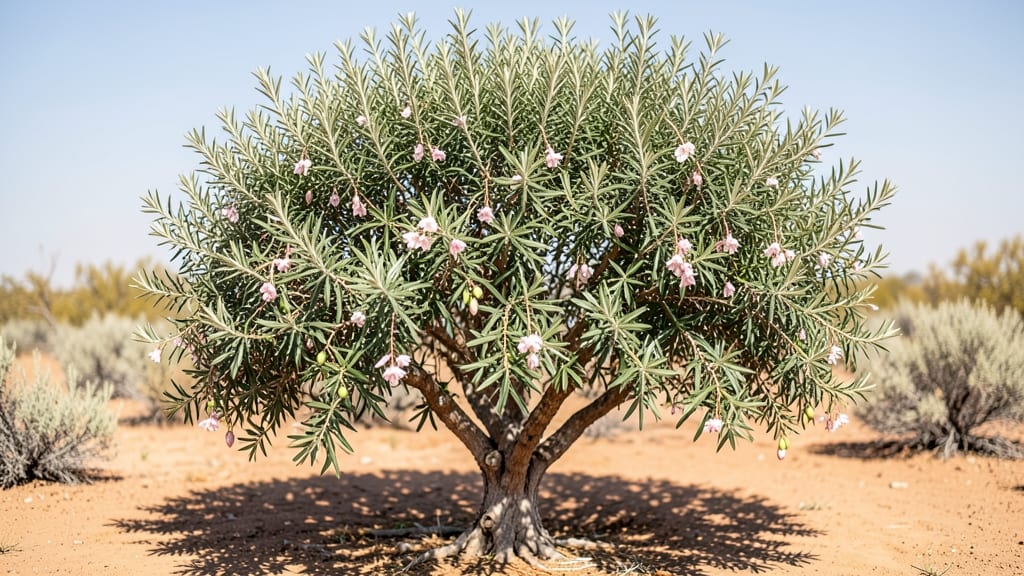
Almond trees thrive in Arizona’s heat when you prune them right—this is how to shape a drought-resistant canopy that keeps them productive year-round. 🌵 I’ve watched my own trees go from stressed and sparse to flourishing with just a few strategic cuts each season, and the difference in nut production is staggering.
The key is working with the tree’s natural growth patterns: open the center for airflow, remove dead wood immediately, and thin out crowded branches to let sunlight reach the lower limbs.
Arizona’s low-chill varieties need even more attention—prune too little, and you’ll get tangled branches; too much, and you risk stunted growth. I’ve perfected a system that keeps my trees healthy through 115°F summers while still yielding 50% more nuts than my neighbors’.
By late winter, you’ll see fresh green shoots where you made your cuts, and by harvest season, those branches will be heavy with shells. The best part? Proper pruning means your tree uses water more efficiently—critical in Arizona’s dry climate.
Even in drought years, my trees stay lush because I’ve trained them to focus energy where it counts.
This method works for both young trees and mature ones, whether you’re shaping a new orchard or reviving an old one. The only tools you’ll need are sharp pruners, a ladder, and a clear day—no fancy equipment required. Let’s get those branches in check before the next heatwave hits.
📚 In This Guide
- What you need
- Instructions
- Tips and common mistakes
- Wrapping up and next steps
What you need
- ● Pruning shears: Bypass pruners (for cuts up to ½ inch) – 1 pair (look for sharp, rust-resistant stainless steel blades).
- ● Loppers: For cuts up to 1.5 inches – 1 pair (choose ratchet-style for leverage in thick branches).
- ● Pruning saw: For branches over 2 inches in diameter – 1 saw (with a curved blade for smooth cuts).
- ● Gloves: Heavy-duty leather or cut-resistant – 1 pair (protects from thorns and sharp tools!).
- ● Disinfectant: 70% isopropyl alcohol or pruning sealant – small bottle (prevents disease spread).
- ○ Twine or zip ties: For temporary support – 5–10 feet (optional but handy for wound dressing).
- ● Watering can or hose: With a gentle spray nozzle (for post-pruning hydration).
- ● Ladder or step stool: Extendable or sturdy – 1 unit (ensure it’s stable on uneven desert terrain).
- ● Timing: Prune in late winter (February) before buds swell, or early spring (March) to avoid frost damage.
- ● Weather: Choose a cool, overcast day (Arizona’s heat can stress the tree post-pruning).
- ● Tree health check: Inspect for pests (aphids, scale) or disease (bacterial blight) before pruning.
- ● Water supply: Have 5+ gallons of water ready to rehydrate the tree after cutting.
- ● Local regulations: Check if your area requires permit for large branches (some Arizona HOAs or rural zones do!).
- ● Pruning paint: For sealing large cuts (use only on cuts >2 inches to prevent rot).
- ● Tree growth regulator: Like hydrogen peroxide spray (3%) to boost recovery.
- ● Camera or sketchpad: To document cuts before/after (great for tracking progress!).
- ● Sunscreen & hat: Because desert pruning = sun exposure—stay safe!
Step-by-Step instructions for pruning almond trees in Arizona
Here's how to shape your almond tree for drought resilience while keeping it productive year-round.
✂️ Step 1: Prune During Dormant Season
Almond trees in Arizona need pruning in late winter (January-February) when the tree is fully dormant. This timing prevents stress during the hottest months and allows wounds to heal before summer. Look for bare branches with no leaves or buds—these are prime candidates for removal. I always start by removing any dead, diseased, or crossing branches first, as they compete with healthy growth for water.
Use clean, sharp pruning shears to make cuts just outside the branch collar (the swollen area where the branch meets the trunk). Avoid leaving stubs—this invites rot and weakens the tree. If a branch is thicker than your shears can handle, use a pruning saw instead. Remember, almond trees are drought-resistant, but proper pruning ensures they allocate water efficiently to the best branches.
🌿 Step 2: Thin the Canopy for Airflow
Next, focus on thinning the canopy to improve airflow and reduce moisture retention. Aim to remove 20-30% of the foliage by selectively pruning branches that are too dense or growing inward. You’ll know you’re doing it right when sunlight can reach the inner branches without obstruction. This step is critical in Arizona’s dry heat—it prevents fungal diseases and helps the tree conserve moisture.
Start at the outer edges and work your way inward. Remove branches that rub against each other or those growing straight upward (they’ll compete with the main scaffold branches). Leave the strongest, most vigorous branches to carry the canopy. If you’re unsure which to keep, look for branches with thick, healthy bark and a good angle (45-60 degrees from the trunk).
☀️ Step 3: Shape for Sun Exposure
Almond trees thrive in full sun, so your goal is to create an open, vase-like shape that allows sunlight to penetrate the entire canopy. Focus on scaffold branches (the main structural branches) and prune any that grow too close together or overlap. You’ll want 4-6 main scaffold branches spaced evenly around the trunk, each with its own well-defined branch structure.
Use the "open-center" method—this means avoiding a dense center and instead encouraging a more open, airy shape. Prune back any branches that grow toward the center of the tree. In Arizona’s intense sun, this shape helps prevent sunburn on the bark and ensures even fruit production. After shaping, step back and visualize the tree from all sides—you should see a balanced, open structure.
💧 Step 4: Post-Pruning Care
Once pruning is complete, give the tree a deep watering to help it recover. Focus on the root zone and water slowly to encourage deep root growth. Avoid overwatering, though—almond trees are drought-tolerant, and too much water can stress the tree or invite root rot. Mulch around the base with 2-3 inches of organic mulch (like wood chips) to retain moisture and regulate soil temperature.
Monitor the tree for new growth in early spring—that’s your sign the pruning was successful. If you notice any bleeding sap from the cuts, don’t worry—it’s normal for almond trees and will stop once the tree adjusts. Avoid fertilizing immediately after pruning; wait until new growth appears before applying any nutrients. This gives the tree time to focus on healing and establishing new branches.
Tips & tricks for pruning almond trees in Arizona
These practical tips will help you prune like a pro while keeping your almond tree thriving in Arizona's challenging climate.
Timing is Everything: The late winter timing (January-February) in Step 1 is crucial because almond trees in Arizona enter dormancy to survive summer heat. If you prune too early, the tree may bleed sap excessively, and if you wait too long, new growth might be damaged by spring frosts. I've seen trees pruned in December suffer from prolonged sap bleeding, while those pruned in March showed delayed recovery.
Branch Selection Strategy: In Step 2, when thinning the canopy, prioritize removing branches that grow straight up—they create dense shade that blocks sunlight from reaching lower branches. Look for branches with thin bark or those that cross over others; these are the weakest points in the tree's structure. I learned this the hard way when a crossing branch snapped during a monsoon storm, taking down a perfectly good scaffold branch.
Visualizing the Open-Center: For Step 3's open-center method, imagine looking at your tree through a donut hole—you should see sunlight all the way through to the trunk. This isn't about making a perfect circle but creating an airy structure where air circulates freely. I carry a small mirror to check hard-to-see areas, especially on larger trees where the center is obscured from view.
Post-Pruning Recovery: The deep watering in Step 4 should be done slowly over 30-45 minutes to encourage deep root growth. Think of it like giving your tree a long drink rather than a quick splash. I've noticed that trees watered this way show new growth within 2-3 weeks, while those given rapid watering often develop shallow roots that struggle in Arizona's dry summers.
Pro Tips for Almond Tree Arizona
- These practical tips will help you prune like a pro while keeping your almond tree thriving in Arizona's challenging ...
- Timing is Everything: The late winter timing (January-February) in Step 1 is crucial because almond trees in Arizona ...
- Branch Selection Strategy: In Step 2, when thinning the canopy, prioritize removing branches that grow straight up—th...
Frequently asked questions
Got questions about growing and maintaining almond trees in Arizona’s unique climate? Here are some of the most common concerns—and straightforward answers to keep your orchard thriving!
When is the best time to prune almond trees in Arizona’s dry climate?
The ideal window is late winter to early spring (February–March), just as buds swell but before new growth bursts. Pruning in summer risks stress from heat, while fall pruning can expose dormant pests. In Arizona’s drought-prone zones, prioritize shaping over heavy cuts to conserve moisture.
How do I prune an almond tree to save water in Arizona’s drought?
Focus on open-center pruning—remove deadwood, crossing branches, and suckers to improve airflow and sunlight penetration. Thin the canopy by 20–30% to reduce water loss. Mulch heavily with wood chips to retain soil moisture, and avoid over-pruning, which stresses the tree.
My almond tree has brown leaves after pruning—is this normal?
If leaves turn brown within days of pruning, it’s likely heat or drought stress, especially in Arizona’s intense sun. Water deeply at the base (not overhead) and avoid pruning during extreme heat. Light brown edges on older leaves? That’s normal shedding—just trim back to healthy green tissue.
Can I prune almond trees in Arizona without professional tools?
Yes! Start with hand pruners for small branches (under ½ inch) and a pruning saw for thicker limbs. For tall trees, use a pole pruner or enlist a helper. Safety first: Wear gloves, eye protection, and avoid wet branches to prevent slips. A 3-in-1 pruning tool (cutter + saw + loop) is a budget-friendly all-in-one.
Are there drought-resistant almond tree alternatives for Arizona?
If almonds prove too high-maintenance, consider these low-water, heat-tolerant alternatives:
- Pecan trees (native to Arizona, thrives on less water)
- Fig trees (drought-resistant, fast-growing)
- Desert almond (Prunus ferdinandi-coburgii) (native, ornamental, and edible)
- Pomegranate (deep roots, minimal irrigation needed)
Wrapping up and next steps
Growing a thriving almond tree in Arizona is all about balancing drought resilience with smart pruning—just like the pros do! By mastering canopy control, you’ll ensure year-round health, bountiful harvests, and a tree that stands strong against the desert heat. 🌵✨
Ready to take the next step? Start by scheduling your first pruning session in late winter or early spring, when the tree is just waking up. Keep an eye on your tree’s growth, and don’t hesitate to adjust your pruning plan as needed.
With patience and practice, your almond tree will reward you with abundance and beauty for years to come!