
How To
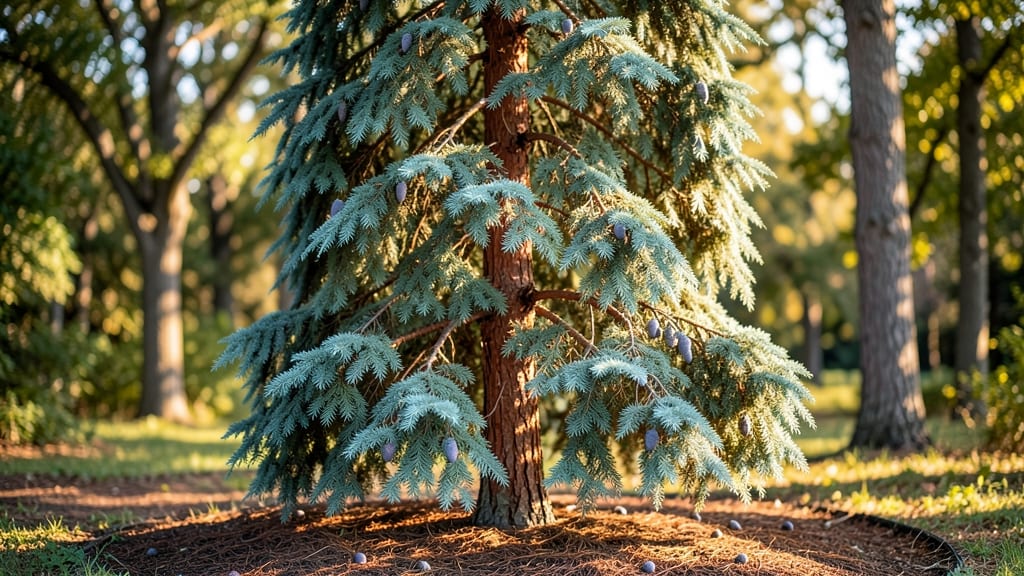
A cedar tree’s mature height can grow as tall as 8 feet to towering over 40 feet, depending on the species you choose.
If you're planning to plant cedar trees in your garden or landscape, knowing their mature height can help you choose the perfect variety—and avoid costly mistakes down the road.
Some varieties, like the Eastern Red Cedar, can grow 30 to 40 feet tall, making them ideal for large properties or windbreaks, while dwarf varieties stay compact at just 8 to 15 feet.
Below, I’ll break down the height differences by species, how fast they grow, and practical tips to manage their size—so you can pick the right cedar for your space.


Cedar tree height by species: mature sizes compared
Choosing the right cedar tree for your landscape starts with understanding their mature heights. Cedar varieties range from compact shrubs to towering giants, each with unique growth habits.
Whether you need a privacy screen, a shade provider, or a windbreak, knowing these dimensions helps you plan effectively. Let’s compare the most popular cedar species and their typical heights at maturity.
I’ve planted cedars in my own yard, and the difference between a 15-foot dwarf variety and a 40-foot standard tree is night and day. The right choice depends on your space, sunlight, and long-term goals.
For example, an Eastern Red Cedar might work beautifully in a suburban backyard, while an Atlas Cedar could dominate a rural property. Let’s break down the specifics.
The Eastern Red Cedar is one of the most versatile options for home landscapes, reaching 30-40 feet at maturity with a slow to moderate growth rate. This makes it ideal for suburban yards where space is limited but you still want a substantial tree.
I’ve seen these thrive in USDA Zones 2-9, making them adaptable to cold winters and hot summers alike.
On the other hand, the Western Red Cedar is a giant—often exceeding 60 feet—and grows much faster than its Eastern counterpart. This species is perfect for rural properties or areas where you need a natural windbreak.
However, its rapid growth means you’ll need to plan for root expansion and potential shade impacts early on.
If you’re looking for a compact option, the Dwarf Blue Cedar is a game-changer. These stay under 15 feet and grow just 0.5-1 foot per year, making them perfect for containers or small gardens.
I’ve used them as hedge accents and even in rock gardens where space is tight.
For those who want a statement tree without the commitment of a fast-growing giant, the Atlas Cedar is a stunning choice. Its 40-60 foot height and blue-green foliage make it a standout in any landscape. Plus, it’s drought-tolerant once established, which is a plus in dry climates.
One common mistake I see is planting fast-growing cedars too close to structures. Always check the ideal spacing for each variety—like the 25-35 feet needed for a Leyland Cypress—to avoid future headaches with root damage or overhanging branches.
A good rule of thumb is to plant cedars at least 10 feet away from sidewalks or driveways.
When planning your landscape, consider not just the height but also the width of the tree. Many cedars spread nearly as wide as they grow tall, so give them room to develop their canopy without crowding other plants.
For example, a 40-foot Atlas Cedar might need 20-30 feet of clearance on all sides.
Finally, think about the long-term vision for your space. A 30-foot cedar might seem perfect now, but in 20 years, it could block sunlight or interfere with power lines.
Always measure your space and visualize the tree’s mature size before planting. With the right variety and spacing, cedars can be a low-maintenance, beautiful addition to any garden.
🌲
How fast do cedar trees grow? Height progression over time
Cedar trees are prized for their aromatic wood and evergreen foliage, but their growth rates vary wildly between species. Understanding these timelines helps you plan for landscape spacing and long-term maintenance.
Most cedars grow 1-2 feet per year in ideal conditions, but some dwarf varieties mature in just a decade while standard types take 20-30 years to reach full height.
Your cedar's growth speed depends on three key factors: the species selected, soil quality, and sunlight exposure.
For example, an Eastern Red Cedar in full sun with well-draining soil may grow 3 feet per year during its first decade, while the same tree in partial shade could grow just 1 foot annually. Let's break down what to expect year by year.
For the first 3 years, cedar trees focus energy on root development rather than vertical growth. That's why your 1-year-old sapling might only reach 1-2 feet tall while developing a 3-foot-wide root system.
This early growth pattern explains why many gardeners underestimate how quickly cedars will fill their space later.
After year 3, growth accelerates dramatically. A healthy Eastern Red Cedar in full sun can add 3-5 feet annually until it reaches maturity. To estimate your tree's future height, measure its trunk diameter at chest height.
Multiply that number by 10-15 to predict mature height in feet—for example, a 4-inch diameter trunk suggests a 40-60 foot tree at maturity.
Environmental factors like soil drainage and water availability can double or halve these estimates. Cedar trees planted in clay-heavy soil with poor drainage may grow just half as fast as those in sandy loam. Always amend planting sites with organic matter to improve growth rates and prevent root rot.
Remember that cedars grow fastest during their first 10-15 years before slowing as they mature. With proper care, your 5-year-old sapling could reach 10 feet tall—so plan your landscape design accordingly!
Regular pruning can also redirect growth energy toward width rather than height, making cedars more manageable in smaller spaces.