
Pruning
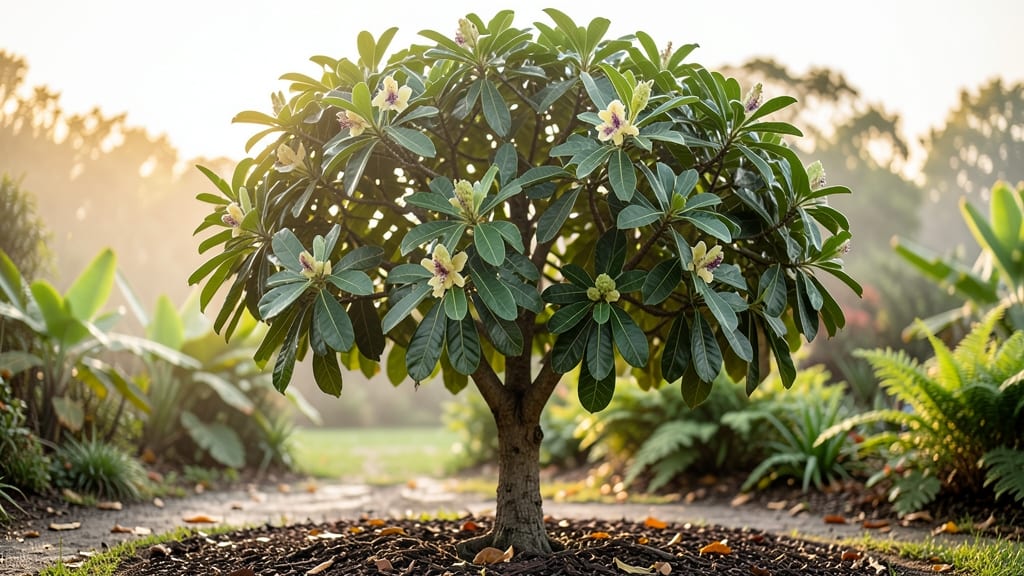
The size of a sugar apple tree can vary dramatically—from 15 to 30 feet tall—depending on the variety, your climate, and how you prune it.
If you're dreaming of a tropical backyard oasis with fragrant, edible fruit trees, understanding the sugar apple tree size is your first critical step—some varieties grow as small as shrubs while others tower like jungle giants.
In USDA Zones 10-12, where these trees thrive, a standard sugar apple tree 🍈 can reach heights of a two-story house, but with the right pruning, you can keep it manageable even in small spaces.
Below, I’ll break down the mature sizes by variety, how to control growth, and the best spacing for your garden—whether you’re planting in the ground or a container.


How tall do sugar apple trees grow? Mature heights by popular varieties
Choosing the right sugar apple tree size for your garden starts with understanding the dramatic range of mature heights. While some varieties stay compact enough for patio containers, others can reach towering jungle proportions—up to 30 feet in ideal tropical conditions.
The Annona squamosa species offers surprising diversity in growth habits, making it adaptable for both small urban spaces and sprawling tropical estates.
Most gardeners focus on three main growth categories: dwarf varieties (under 10 feet), standard varieties (15-25 feet), and giant-growing types (25-30 feet). Your climate, pruning approach, and container vs. in-ground planting will dramatically influence which category your tree falls into.
For example, a container-grown sugar apple in Zone 11 might stay under 8 feet with proper root restriction, while an unpruned tree in Florida could easily surpass 20 feet.
Here's where things get interesting: growth habit matters as much as height. Sugar apples develop either as multi-trunked shrubs (more compact) or single-stemmed trees (taller but narrower). The 'Sweet Opal' variety, for instance, grows as a bushy multi-stemmed plant, while 'Giant Sugar Apple' develops a single dominant trunk.
This distinction affects both your garden layout and fruit accessibility.
Let's compare the most popular varieties by their mature dimensions, including spread measurements that are often overlooked but crucial for proper spacing. Understanding these differences will help you avoid overcrowding while maximizing fruit production. Remember, spread can be 2-3 times wider than the tree's height in some varieties!
The Sweet Opal variety stands out as the most compact option, making it ideal for container cultivation in USDA Zones 10-12. With proper root pruning, you can keep this variety under 10 feet even in ground plantings.
Its multi-trunked habit creates a lush, bushy appearance perfect for tropical-themed landscapes. For small-space gardeners, this is often the best choice when space is limited but you still want abundant fruit.
If you're working with larger garden spaces, the Standard Sugar Apple offers the perfect balance between manageable size and productive output. These trees typically reach 15-20 feet at maturity, making them suitable for backyard orchards or as focal points in tropical landscapes.
Their spread of 12-18 feet means you'll need to space them at least 15 feet apart to prevent shading and competition. This variety also produces the most consistent fruit quality among home gardeners.
For those with ample property or tropical farm settings, the Giant Sugar Apple variety presents an exciting challenge. These trees can easily surpass 25 feet in height and develop sprawling canopies up to 25 feet wide.
While their massive size requires significant space, they produce the largest and most flavorful fruits. If you're considering this variety, plan for heavy-duty pruning to manage size and improve fruit accessibility. Their single-trunk growth habit also makes them more vulnerable to storm damage in hurricane-prone areas.
An often-overlooked
Factors that influence sugar apple tree size & how to control growth
If your sugar apple tree is reaching for the sky faster than you planned, don't panic! The tree's mature size depends on several key factors—some you can control, others are dictated by nature.
Understanding these will help you shape your tree's growth to fit your space, whether you're working with a cozy patio or a sprawling backyard.
First, let's talk about the natural growth habits of Annona squamosa. In ideal tropical conditions, these trees can soar to 20-30 feet tall, but their growth rate and final size are heavily influenced by their environment.
The good news? With the right techniques, you can guide your tree to stay smaller or even thrive in containers.
- 1. Climate & Temperature: Sugar apples thrive in USDA Zones 10-12. Cooler climates slow growth, while warm, humid conditions accelerate it. In Zone 9 or cooler, expect 20-30% smaller mature trees.
- 2. Soil Quality & Drainage: Rich, well-draining soil with organic matter fuels faster growth. Compact or clay-heavy soil restricts roots, capping height at 12-15 feet. Test your soil—aim for pH 6.0-7.0.
- 3. Sunlight Exposure: Full sun (6+ hours daily) maximizes growth, but partial shade can reduce height by 30%. South-facing locations in the Northern Hemisphere yield the tallest trees.
- 4. Watering Practices: Deep, infrequent watering encourages deeper roots and slower vertical growth. Overwatering leads to top-heavy trees reaching 25+ feet in just 3 years.
- 5. Pruning Techniques: Structural pruning in late winter can reduce height by 50% over 5 years. Focus on removing suckers and water sprouts to redirect energy to fruit production.
- 6. Container Cultivation: Growing in large pots (20+ gallons) limits roots, keeping trees under 8-10 feet. Use fast-draining mixes with 50% perlite to prevent root-bound stress.
For container growers, root pruning every 2-3 years is a game-changer. Simply trim 10-15% of roots during repotting to slow height spikes. Pair this with balanced fertilizer (6-6-6 NPK) applied every 6 weeks to maintain compact growth without sacrificing fruit quality.
If your tree is already towering, don't despair—crown reduction pruning can reset its height. Target the upper third of the canopy during dormant season (late winter), cutting back to outward-facing buds. This method reduces height by 3-5 feet per year while preserving the tree's structure.
Remember, patience is key. Sugar apple trees grow 2-3 feet annually under optimal conditions, but with consistent pruning and care, you can shape them to fit your vision—whether that's a 6-foot patio centerpiece or a 20-foot backyard statement piece. 🌿